
Second-Life EV Batteries: The Circular Economy for Grid Storage (2028)
An in-depth examination of the technology, economics, and strategic implications of energy storage at scale.
Key Takeaways
- Grid-scale storage is the fastest-growing segment, driven by renewable integration
- Sodium-ion batteries offer a cost-effective alternative to lithium for stationary storage
- Long-duration storage technologies are critical for seasonal energy balancing
- Virtual power plants are creating new revenue models for distributed storage
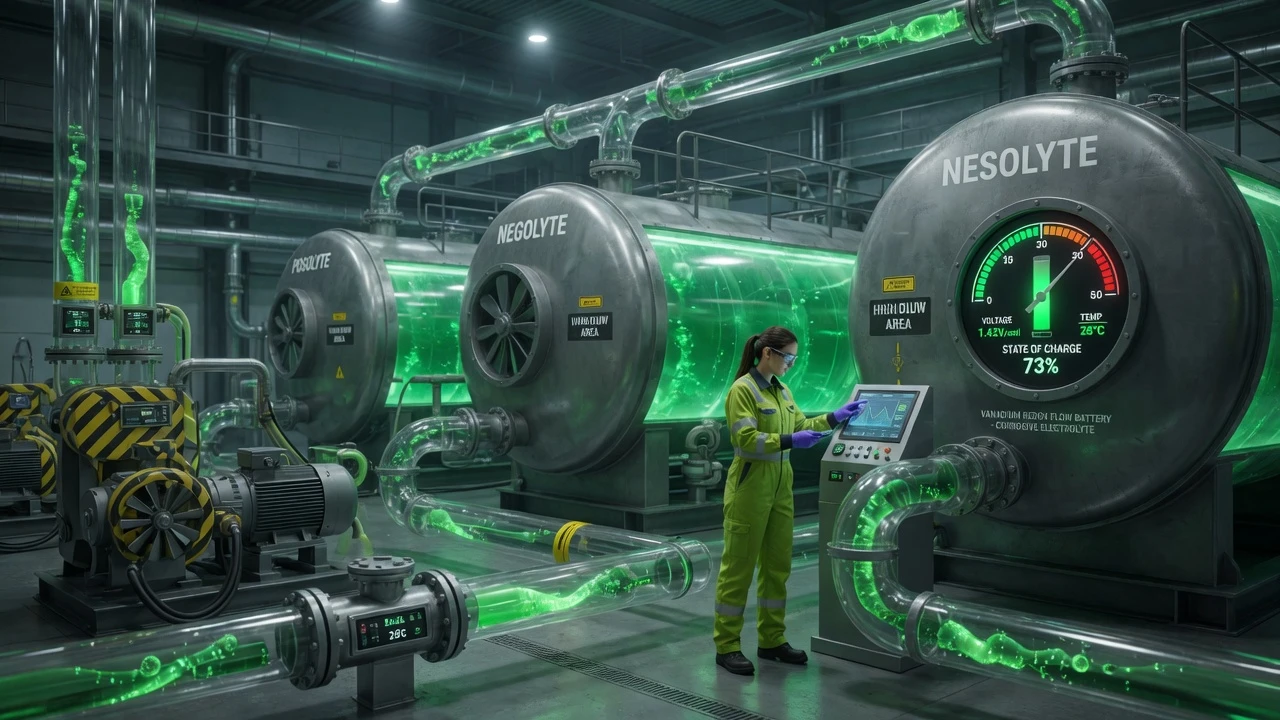
In the rapidly evolving world of energy storage, introduction represents a critical intersection of innovation, investment, and real-world impact.
The technical architecture underlying these systems involves multiple layers of complexity. At the foundation, robust engineering principles ensure reliability and performance.
The integration layer connects these components to existing infrastructure, requiring careful planning and execution.
Each layer presents its own challenges, from latency optimization to fault tolerance, and addressing them requires a holistic approach rather than piecemeal solutions.
From a practical standpoint, implementation requires careful consideration of several factors. First, organizations must assess their current capabilities and identify gaps that need to be addressed.
Second, a phased rollout strategy typically yields better results than big-bang approaches, allowing for course corrections along the way.
Finally, ongoing measurement and optimization ensure that the investment continues to deliver value over time. Safety and reliability considerations play a paramount role in deployment decisions.
Every system must undergo rigorous testing under a variety of conditions to ensure it performs as expected.
Edge cases, while rare, can have outsized consequences and must be anticipated and addressed.
Redundancy, fail-safes, and graceful degradation are not optional features but fundamental design requirements.
The cost of implementing these safeguards is significant, but the cost of not implementing them — in terms of financial loss, reputational damage, and regulatory consequences — is far greater.
The Science of Energy Storage
In the rapidly evolving world of energy storage, the science of energy storage represents a critical intersection of innovation, investment, and real-world impact.
The technical architecture underlying these systems involves multiple layers of complexity. At the foundation, robust engineering principles ensure reliability and performance.
The integration layer connects these components to existing infrastructure, requiring careful planning and execution.
Each layer presents its own challenges, from latency optimization to fault tolerance, and addressing them requires a holistic approach rather than piecemeal solutions.
Key Concepts and Terminology
In the rapidly evolving world of energy storage, the science of energy storage represents a critical intersection of innovation, investment, and real-world impact.
The technical architecture underlying these systems involves multiple layers of complexity. At the foundation, robust engineering principles ensure reliability and performance.
The integration layer connects these components to existing infrastructure, requiring careful planning and execution.
Each layer presents its own challenges, from latency optimization to fault tolerance, and addressing them requires a holistic approach rather than piecemeal solutions.
- Size systems based on load profiles and use cases
- Consider total lifecycle cost not just upfront price
- Plan for thermal management and safety systems
- Integrate with energy management systems
- Establish recycling or second-life plans
Historical Context and Development
The competitive landscape is characterized by both established players and emerging challengers.
Traditional companies bring scale, resources, and deep industry relationships, while startups contribute agility, innovation, and a willingness to challenge conventional approaches.
The result is a rapidly evolving market where competitive advantages can shift quickly, and staying informed about the latest developments is crucial for strategic planning.
The economic equation is compelling when viewed through a total cost of ownership lens.
While initial investments may seem substantial, the long-term savings in operational efficiency, reduced downtime, and improved outcomes create a positive return on investment within a reasonable timeframe.
Organizations that have completed full deployment cycles report cost reductions ranging from twenty to forty percent, depending on the specific application and scale of implementation.
These figures are consistent across industries, suggesting broad applicability of the underlying technology.
Current State of the Art
Looking at the regulatory environment, policymakers are working to keep pace with technological advancement.
New frameworks are being developed to address the unique challenges posed by these technologies, balancing innovation with public safety and consumer protection.
Staying ahead of regulatory changes requires dedicated resources and proactive engagement with policymakers and industry associations.
Market analysis indicates strong growth trajectories across all major segments.
The total addressable market is projected to expand significantly over the next five years, driven by increasing demand from both enterprise and consumer segments.
Key growth drivers include regulatory pressures, cost reduction imperatives, and competitive dynamics that reward early adopters.
Investment flowing into the sector has reached record levels, with venture capital, corporate R&D budgets, and government grants all contributing to an unprecedented funding environment.
In conclusion, the science of energy storage represents one of the most significant developments in energy storage today.
Its implications extend far beyond the technology itself, reshaping business models, regulatory frameworks, and competitive dynamics across the entire industry.
— Research Director
- Round-trip efficiency exceeding 95% for lithium-ion systems
- Cycle life reaching 10,000+ for advanced chemistries
- Cost per kWh dropping below $100 at pack level
- Response times under 100 milliseconds for grid services
- Safety incidents decreasing with improved designs
The economics of energy storage have crossed a critical threshold. In many markets, battery storage is now the cheapest option for peak demand management.
— Dr. Amy Roberts, Grid Modernization Lead
Technology Comparison and Selection
In the rapidly evolving world of energy storage, technology comparison and selection represents a critical intersection of innovation, investment, and real-world impact.
The technical architecture underlying these systems involves multiple layers of complexity. At the foundation, robust engineering principles ensure reliability and performance.
The integration layer connects these components to existing infrastructure, requiring careful planning and execution.
Each layer presents its own challenges, from latency optimization to fault tolerance, and addressing them requires a holistic approach rather than piecemeal solutions.
Technical Implementation Details
The conversation around technology comparison and selection has intensified as Second-Life EV Batteries continues to capture attention across the energy storage industry and beyond.
Market analysis indicates strong growth trajectories across all major segments.
Key growth drivers include regulatory pressures, cost reduction imperatives, and competitive dynamics that reward early adopters.
Investment flowing into the sector has reached record levels, with venture capital, corporate R&D budgets, and government grants all contributing to an unprecedented funding environment.
- Round-trip efficiency exceeding 95% for lithium-ion systems
- Cycle life reaching 10,000+ for advanced chemistries
- Cost per kWh dropping below $100 at pack level
- Response times under 100 milliseconds for grid services
- Safety incidents decreasing with improved designs
Performance Benchmarks
Safety and reliability considerations play a paramount role in deployment decisions. Every system must undergo rigorous testing under a variety of conditions to ensure it performs as expected.
Edge cases, while rare, can have outsized consequences and must be anticipated and addressed.
The cost of implementing these safeguards is significant, but the cost of not implementing them — in terms of financial loss, reputational damage, and regulatory consequences — is far greater.
Looking at the regulatory environment, policymakers are working to keep pace with technological advancement.
New frameworks are being developed to address the unique challenges posed by these technologies, balancing innovation with public safety and consumer protection.
Compliance requirements vary significantly across jurisdictions, creating complexity for organizations operating internationally.
Staying ahead of regulatory changes requires dedicated resources and proactive engagement with policymakers and industry associations.
Limitations and Edge Cases
Recent data reveals that organizations investing in this area see measurable improvements across multiple dimensions.
According to industry surveys, adoption rates have climbed steadily, with enterprise deployments increasing year over year.
However, the gap between leaders and laggards continues to widen, creating a competitive divide that becomes harder to close with each passing quarter.
From a practical standpoint, implementation requires careful consideration of several factors. First, organizations must assess their current capabilities and identify gaps that need to be addressed.
Second, a phased rollout strategy typically yields better results than big-bang approaches, allowing for course corrections along the way.
Third, stakeholder buy-in across all levels of the organization is essential for success.
Finally, ongoing measurement and optimization ensure that the investment continues to deliver value over time.
As we look to the future, the trajectory is clear: technology comparison and selection will continue to evolve and expand its impact across the energy storage landscape.
Organizations that invest now will be well-positioned to capitalize on emerging opportunities.
— Research Director
- Lithium-ion dominating near-term applications
- Sodium-ion emerging as cost-effective alternative
- Flow batteries excelling in long-duration storage
- Solid-state technology promising higher energy density
- Hydrogen enabling seasonal storage at scale

System Design and Integration
In the rapidly evolving world of energy storage, system design and integration represents a critical intersection of innovation, investment, and real-world impact.
The technical architecture underlying these systems involves multiple layers of complexity. At the foundation, robust engineering principles ensure reliability and performance.
The integration layer connects these components to existing infrastructure, requiring careful planning and execution.
Each layer presents its own challenges, from latency optimization to fault tolerance, and addressing them requires a holistic approach rather than piecemeal solutions.
Quantitative Analysis
When examining system design and integration in the context of Second-Life EV Batteries, several critical factors emerge that demand attention from both practitioners and decision-makers.
From a practical standpoint, implementation requires careful consideration of several factors. First, organizations must assess their current capabilities and identify gaps that need to be addressed.
Third, stakeholder buy-in across all levels of the organization is essential for success.
Finally, ongoing measurement and optimization ensure that the investment continues to deliver value over time.
- Lithium-ion dominating near-term applications
- Sodium-ion emerging as cost-effective alternative
- Flow batteries excelling in long-duration storage
- Solid-state technology promising higher energy density
- Hydrogen enabling seasonal storage at scale
Comparative Assessment
The economic equation is compelling when viewed through a total cost of ownership lens.
While initial investments may seem substantial, the long-term savings in operational efficiency, reduced downtime, and improved outcomes create a positive return on investment within a reasonable timeframe.
These figures are consistent across industries, suggesting broad applicability of the underlying technology.
Recent data reveals that organizations investing in this area see measurable improvements across multiple dimensions.
According to industry surveys, adoption rates have climbed steadily, with enterprise deployments increasing year over year.
The technology has matured from experimental prototypes to production-ready systems that deliver tangible value.
However, the gap between leaders and laggards continues to widen, creating a competitive divide that becomes harder to close with each passing quarter.
Industry-Specific Considerations
The technical architecture underlying these systems involves multiple layers of complexity. At the foundation, robust engineering principles ensure reliability and performance.
Above that, sophisticated algorithms process inputs and generate outputs with increasing accuracy.
Each layer presents its own challenges, from latency optimization to fault tolerance, and addressing them requires a holistic approach rather than piecemeal solutions.
The competitive landscape is characterized by both established players and emerging challengers.
Traditional companies bring scale, resources, and deep industry relationships, while startups contribute agility, innovation, and a willingness to challenge conventional approaches.
This dynamic creates a fertile environment for innovation, as partnerships and collaborations between the two groups accelerate progress.
The result is a rapidly evolving market where competitive advantages can shift quickly, and staying informed about the latest developments is crucial for strategic planning.
The evidence is compelling — system design and integration is not a passing trend but a fundamental shift in how energy storage challenges are approached and solved.
The question is no longer whether to adopt, but how quickly and effectively.
— Research Director
- Size systems based on load profiles and use cases
- Consider total lifecycle cost not just upfront price
- Plan for thermal management and safety systems
- Integrate with energy management systems
- Establish recycling or second-life plans
The economics of energy storage have crossed a critical threshold. In many markets, battery storage is now the cheapest option for peak demand management.
— Dr. Amy Roberts, Grid Modernization Lead
Real-World Projects and Case Studies
In the rapidly evolving world of energy storage, real-world projects and case studies represents a critical intersection of innovation, investment, and real-world impact.
The technical architecture underlying these systems involves multiple layers of complexity. At the foundation, robust engineering principles ensure reliability and performance.
The integration layer connects these components to existing infrastructure, requiring careful planning and execution.
Each layer presents its own challenges, from latency optimization to fault tolerance, and addressing them requires a holistic approach rather than piecemeal solutions.
Best Practices
The landscape of real-world projects and case studies within energy storage has undergone significant transformation, driven by rapid technological advancement and shifting market dynamics.
The competitive landscape is characterized by both established players and emerging challengers.
This dynamic creates a fertile environment for innovation, as partnerships and collaborations between the two groups accelerate progress.
The result is a rapidly evolving market where competitive advantages can shift quickly, and staying informed about the latest developments is crucial for strategic planning.
- Size systems based on load profiles and use cases
- Consider total lifecycle cost not just upfront price
- Plan for thermal management and safety systems
- Integrate with energy management systems
- Establish recycling or second-life plans
Common Mistakes to Avoid
Looking at the regulatory environment, policymakers are working to keep pace with technological advancement.
New frameworks are being developed to address the unique challenges posed by these technologies, balancing innovation with public safety and consumer protection.
Staying ahead of regulatory changes requires dedicated resources and proactive engagement with policymakers and industry associations.
The technical architecture underlying these systems involves multiple layers of complexity. At the foundation, robust engineering principles ensure reliability and performance.
Above that, sophisticated algorithms process inputs and generate outputs with increasing accuracy.
The integration layer connects these components to existing infrastructure, requiring careful planning and execution.
Each layer presents its own challenges, from latency optimization to fault tolerance, and addressing them requires a holistic approach rather than piecemeal solutions.
Expert Recommendations
Market analysis indicates strong growth trajectories across all major segments.
The total addressable market is projected to expand significantly over the next five years, driven by increasing demand from both enterprise and consumer segments.
Investment flowing into the sector has reached record levels, with venture capital, corporate R&D budgets, and government grants all contributing to an unprecedented funding environment.
Safety and reliability considerations play a paramount role in deployment decisions. Every system must undergo rigorous testing under a variety of conditions to ensure it performs as expected.
Edge cases, while rare, can have outsized consequences and must be anticipated and addressed.
Redundancy, fail-safes, and graceful degradation are not optional features but fundamental design requirements.
The cost of implementing these safeguards is significant, but the cost of not implementing them — in terms of financial loss, reputational damage, and regulatory consequences — is far greater.
For professionals and organizations in the energy storage space, understanding real-world projects and case studies is essential for remaining competitive.
The pace of change shows no signs of slowing, and those who fail to adapt risk being left behind.
— Research Director
- Round-trip efficiency exceeding 95% for lithium-ion systems
- Cycle life reaching 10,000+ for advanced chemistries
- Cost per kWh dropping below $100 at pack level
- Response times under 100 milliseconds for grid services
- Safety incidents decreasing with improved designs
Cost Analysis and ROI Modeling
In the rapidly evolving world of energy storage, cost analysis and roi modeling represents a critical intersection of innovation, investment, and real-world impact.
The technical architecture underlying these systems involves multiple layers of complexity. At the foundation, robust engineering principles ensure reliability and performance.
The integration layer connects these components to existing infrastructure, requiring careful planning and execution.
Each layer presents its own challenges, from latency optimization to fault tolerance, and addressing them requires a holistic approach rather than piecemeal solutions.
Market Size and Growth
Understanding cost analysis and roi modeling requires a deep dive into both the theoretical foundations and practical implications that shape the energy storage ecosystem.
Safety and reliability considerations play a paramount role in deployment decisions. Every system must undergo rigorous testing under a variety of conditions to ensure it performs as expected.
Redundancy, fail-safes, and graceful degradation are not optional features but fundamental design requirements.
The cost of implementing these safeguards is significant, but the cost of not implementing them — in terms of financial loss, reputational damage, and regulatory consequences — is far greater.
- Round-trip efficiency exceeding 95% for lithium-ion systems
- Cycle life reaching 10,000+ for advanced chemistries
- Cost per kWh dropping below $100 at pack level
- Response times under 100 milliseconds for grid services
- Safety incidents decreasing with improved designs
Key Players and Competition
Recent data reveals that organizations investing in this area see measurable improvements across multiple dimensions.
According to industry surveys, adoption rates have climbed steadily, with enterprise deployments increasing year over year.
However, the gap between leaders and laggards continues to widen, creating a competitive divide that becomes harder to close with each passing quarter.
Market analysis indicates strong growth trajectories across all major segments.
The total addressable market is projected to expand significantly over the next five years, driven by increasing demand from both enterprise and consumer segments.
Key growth drivers include regulatory pressures, cost reduction imperatives, and competitive dynamics that reward early adopters.
Investment flowing into the sector has reached record levels, with venture capital, corporate R&D budgets, and government grants all contributing to an unprecedented funding environment.
Investment and Funding Trends
From a practical standpoint, implementation requires careful consideration of several factors. First, organizations must assess their current capabilities and identify gaps that need to be addressed.
Second, a phased rollout strategy typically yields better results than big-bang approaches, allowing for course corrections along the way.
Finally, ongoing measurement and optimization ensure that the investment continues to deliver value over time. The economic equation is compelling when viewed through a total cost of ownership lens.
While initial investments may seem substantial, the long-term savings in operational efficiency, reduced downtime, and improved outcomes create a positive return on investment within a reasonable timeframe.
Organizations that have completed full deployment cycles report cost reductions ranging from twenty to forty percent, depending on the specific application and scale of implementation.
These figures are consistent across industries, suggesting broad applicability of the underlying technology.
In conclusion, cost analysis and roi modeling represents one of the most significant developments in energy storage today.
Its implications extend far beyond the technology itself, reshaping business models, regulatory frameworks, and competitive dynamics across the entire industry.
— Research Director
- Lithium-ion dominating near-term applications
- Sodium-ion emerging as cost-effective alternative
- Flow batteries excelling in long-duration storage
- Solid-state technology promising higher energy density
- Hydrogen enabling seasonal storage at scale
The economics of energy storage have crossed a critical threshold. In many markets, battery storage is now the cheapest option for peak demand management.
— Dr. Amy Roberts, Grid Modernization Lead
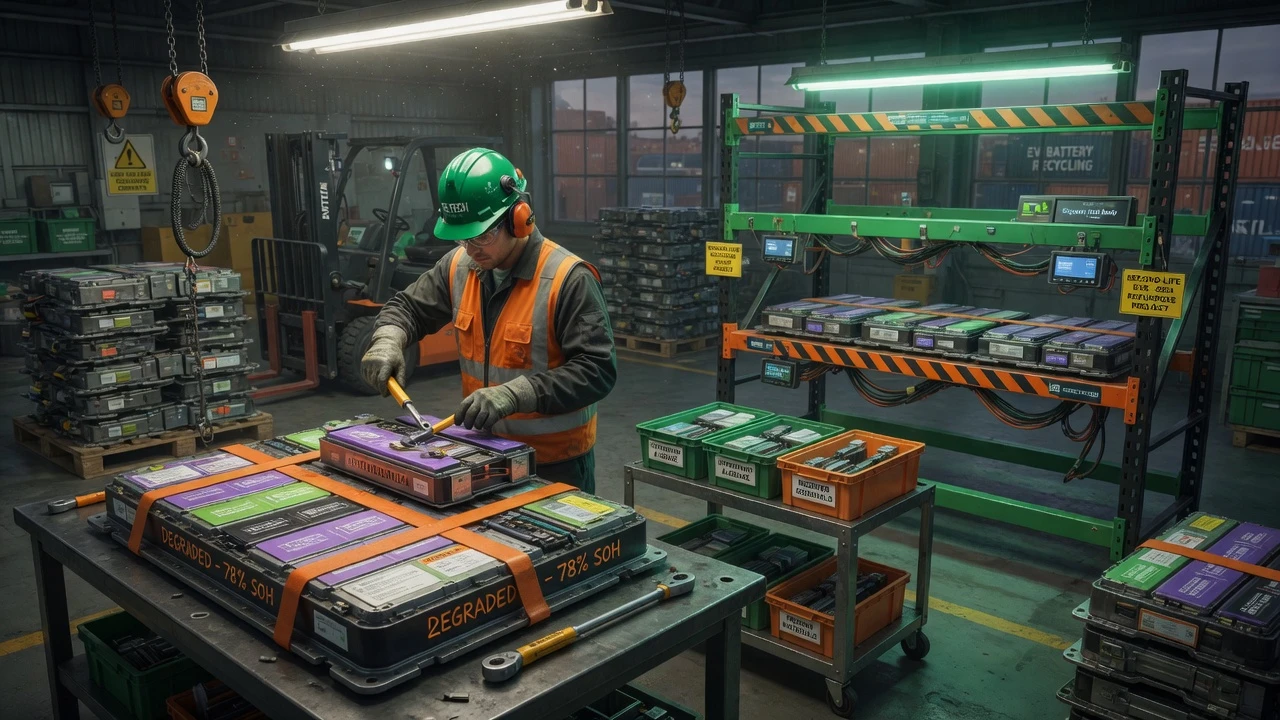
Supply Chain and Material Sourcing
In the rapidly evolving world of energy storage, supply chain and material sourcing represents a critical intersection of innovation, investment, and real-world impact.
The technical architecture underlying these systems involves multiple layers of complexity. At the foundation, robust engineering principles ensure reliability and performance.
The integration layer connects these components to existing infrastructure, requiring careful planning and execution.
Each layer presents its own challenges, from latency optimization to fault tolerance, and addressing them requires a holistic approach rather than piecemeal solutions.
Technical Specifications
In the rapidly evolving world of energy storage, supply chain and material sourcing represents a critical intersection of innovation, investment, and real-world impact.
The economic equation is compelling when viewed through a total cost of ownership lens.
Organizations that have completed full deployment cycles report cost reductions ranging from twenty to forty percent, depending on the specific application and scale of implementation.
These figures are consistent across industries, suggesting broad applicability of the underlying technology.
- Lithium-ion dominating near-term applications
- Sodium-ion emerging as cost-effective alternative
- Flow batteries excelling in long-duration storage
- Solid-state technology promising higher energy density
- Hydrogen enabling seasonal storage at scale
Integration Challenges
The technical architecture underlying these systems involves multiple layers of complexity. At the foundation, robust engineering principles ensure reliability and performance.
Above that, sophisticated algorithms process inputs and generate outputs with increasing accuracy.
Each layer presents its own challenges, from latency optimization to fault tolerance, and addressing them requires a holistic approach rather than piecemeal solutions.
From a practical standpoint, implementation requires careful consideration of several factors. First, organizations must assess their current capabilities and identify gaps that need to be addressed.
Second, a phased rollout strategy typically yields better results than big-bang approaches, allowing for course corrections along the way.
Third, stakeholder buy-in across all levels of the organization is essential for success.
Finally, ongoing measurement and optimization ensure that the investment continues to deliver value over time.
Scalability Considerations
The competitive landscape is characterized by both established players and emerging challengers.
Traditional companies bring scale, resources, and deep industry relationships, while startups contribute agility, innovation, and a willingness to challenge conventional approaches.
The result is a rapidly evolving market where competitive advantages can shift quickly, and staying informed about the latest developments is crucial for strategic planning.
Looking at the regulatory environment, policymakers are working to keep pace with technological advancement.
New frameworks are being developed to address the unique challenges posed by these technologies, balancing innovation with public safety and consumer protection.
Compliance requirements vary significantly across jurisdictions, creating complexity for organizations operating internationally.
Staying ahead of regulatory changes requires dedicated resources and proactive engagement with policymakers and industry associations.
As we look to the future, the trajectory is clear: supply chain and material sourcing will continue to evolve and expand its impact across the energy storage landscape.
Organizations that invest now will be well-positioned to capitalize on emerging opportunities.
— Research Director
- Size systems based on load profiles and use cases
- Consider total lifecycle cost not just upfront price
- Plan for thermal management and safety systems
- Integrate with energy management systems
- Establish recycling or second-life plans
Safety Standards and Certifications
In the rapidly evolving world of energy storage, safety standards and certifications represents a critical intersection of innovation, investment, and real-world impact.
The technical architecture underlying these systems involves multiple layers of complexity. At the foundation, robust engineering principles ensure reliability and performance.
The integration layer connects these components to existing infrastructure, requiring careful planning and execution.
Each layer presents its own challenges, from latency optimization to fault tolerance, and addressing them requires a holistic approach rather than piecemeal solutions.
Success Stories
The conversation around safety standards and certifications has intensified as Second-Life EV Batteries continues to capture attention across the energy storage industry and beyond.
Looking at the regulatory environment, policymakers are working to keep pace with technological advancement.
Compliance requirements vary significantly across jurisdictions, creating complexity for organizations operating internationally.
Staying ahead of regulatory changes requires dedicated resources and proactive engagement with policymakers and industry associations.
- Size systems based on load profiles and use cases
- Consider total lifecycle cost not just upfront price
- Plan for thermal management and safety systems
- Integrate with energy management systems
- Establish recycling or second-life plans
Failure Cases and Lessons
Market analysis indicates strong growth trajectories across all major segments.
The total addressable market is projected to expand significantly over the next five years, driven by increasing demand from both enterprise and consumer segments.
Investment flowing into the sector has reached record levels, with venture capital, corporate R&D budgets, and government grants all contributing to an unprecedented funding environment.
The competitive landscape is characterized by both established players and emerging challengers.
Traditional companies bring scale, resources, and deep industry relationships, while startups contribute agility, innovation, and a willingness to challenge conventional approaches.
This dynamic creates a fertile environment for innovation, as partnerships and collaborations between the two groups accelerate progress.
The result is a rapidly evolving market where competitive advantages can shift quickly, and staying informed about the latest developments is crucial for strategic planning.
Measurable Outcomes
Safety and reliability considerations play a paramount role in deployment decisions. Every system must undergo rigorous testing under a variety of conditions to ensure it performs as expected.
Edge cases, while rare, can have outsized consequences and must be anticipated and addressed.
The cost of implementing these safeguards is significant, but the cost of not implementing them — in terms of financial loss, reputational damage, and regulatory consequences — is far greater.
Recent data reveals that organizations investing in this area see measurable improvements across multiple dimensions.
According to industry surveys, adoption rates have climbed steadily, with enterprise deployments increasing year over year.
The technology has matured from experimental prototypes to production-ready systems that deliver tangible value.
However, the gap between leaders and laggards continues to widen, creating a competitive divide that becomes harder to close with each passing quarter.
The evidence is compelling — safety standards and certifications is not a passing trend but a fundamental shift in how energy storage challenges are approached and solved.
The question is no longer whether to adopt, but how quickly and effectively.
— Research Director
- Round-trip efficiency exceeding 95% for lithium-ion systems
- Cycle life reaching 10,000+ for advanced chemistries
- Cost per kWh dropping below $100 at pack level
- Response times under 100 milliseconds for grid services
- Safety incidents decreasing with improved designs
The economics of energy storage have crossed a critical threshold. In many markets, battery storage is now the cheapest option for peak demand management.
— Dr. Amy Roberts, Grid Modernization Lead
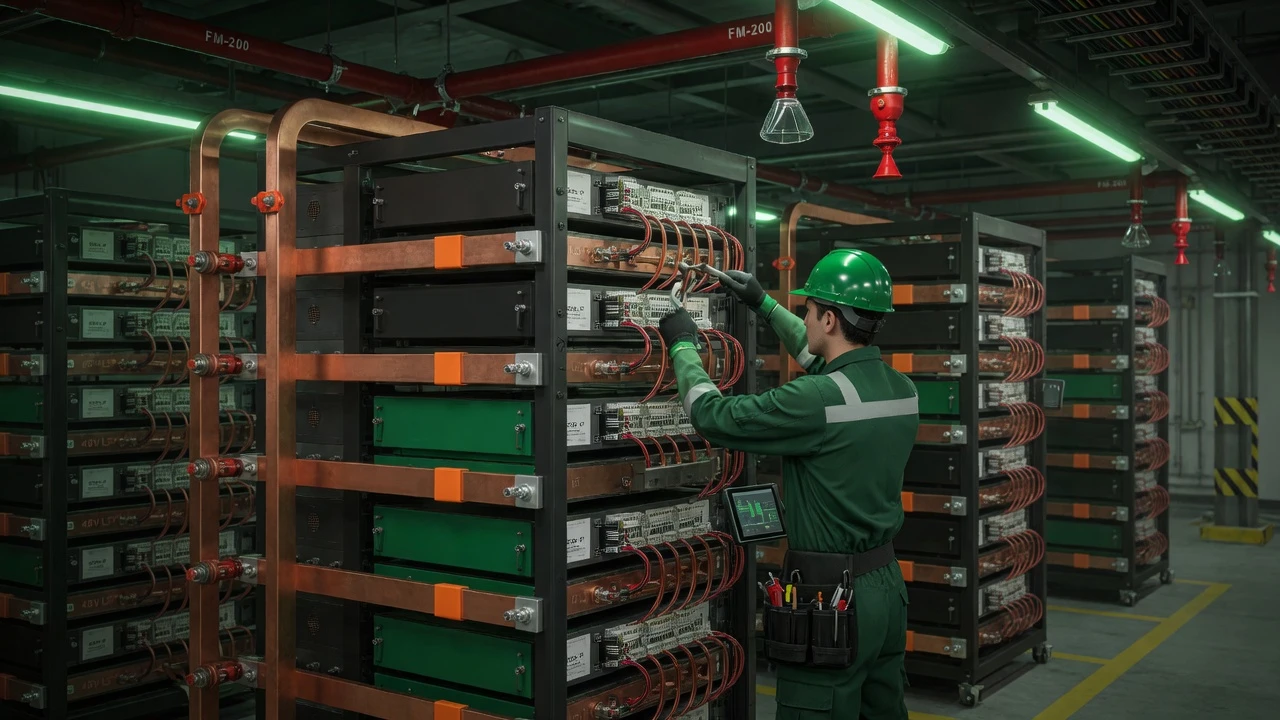
Emerging Technologies and Market Trends
In the rapidly evolving world of energy storage, emerging technologies and market trends represents a critical intersection of innovation, investment, and real-world impact.
The technical architecture underlying these systems involves multiple layers of complexity. At the foundation, robust engineering principles ensure reliability and performance.
The integration layer connects these components to existing infrastructure, requiring careful planning and execution.
Each layer presents its own challenges, from latency optimization to fault tolerance, and addressing them requires a holistic approach rather than piecemeal solutions.
Near-Term Developments
When examining emerging technologies and market trends in the context of Second-Life EV Batteries, several critical factors emerge that demand attention from both practitioners and decision-makers.
Recent data reveals that organizations investing in this area see measurable improvements across multiple dimensions.
The technology has matured from experimental prototypes to production-ready systems that deliver tangible value.
However, the gap between leaders and laggards continues to widen, creating a competitive divide that becomes harder to close with each passing quarter.
- Round-trip efficiency exceeding 95% for lithium-ion systems
- Cycle life reaching 10,000+ for advanced chemistries
- Cost per kWh dropping below $100 at pack level
- Response times under 100 milliseconds for grid services
- Safety incidents decreasing with improved designs
Medium-Term Projections
From a practical standpoint, implementation requires careful consideration of several factors. First, organizations must assess their current capabilities and identify gaps that need to be addressed.
Second, a phased rollout strategy typically yields better results than big-bang approaches, allowing for course corrections along the way.
Finally, ongoing measurement and optimization ensure that the investment continues to deliver value over time. Safety and reliability considerations play a paramount role in deployment decisions.
Every system must undergo rigorous testing under a variety of conditions to ensure it performs as expected.
Edge cases, while rare, can have outsized consequences and must be anticipated and addressed.
Redundancy, fail-safes, and graceful degradation are not optional features but fundamental design requirements.
The cost of implementing these safeguards is significant, but the cost of not implementing them — in terms of financial loss, reputational damage, and regulatory consequences — is far greater.
Long-Term Vision
The economic equation is compelling when viewed through a total cost of ownership lens.
While initial investments may seem substantial, the long-term savings in operational efficiency, reduced downtime, and improved outcomes create a positive return on investment within a reasonable timeframe.
These figures are consistent across industries, suggesting broad applicability of the underlying technology.
The technical architecture underlying these systems involves multiple layers of complexity. At the foundation, robust engineering principles ensure reliability and performance.
Above that, sophisticated algorithms process inputs and generate outputs with increasing accuracy.
The integration layer connects these components to existing infrastructure, requiring careful planning and execution.
Each layer presents its own challenges, from latency optimization to fault tolerance, and addressing them requires a holistic approach rather than piecemeal solutions.
For professionals and organizations in the energy storage space, understanding emerging technologies and market trends is essential for remaining competitive.
The pace of change shows no signs of slowing, and those who fail to adapt risk being left behind.
— Research Director
- Lithium-ion dominating near-term applications
- Sodium-ion emerging as cost-effective alternative
- Flow batteries excelling in long-duration storage
- Solid-state technology promising higher energy density
- Hydrogen enabling seasonal storage at scale
Conclusion and Key Takeaways
The economic equation is compelling when viewed through a total cost of ownership lens.
While initial investments may seem substantial, the long-term savings in operational efficiency, reduced downtime, and improved outcomes create a positive return on investment within a reasonable timeframe.
These figures are consistent across industries, suggesting broad applicability of the underlying technology.
The technical architecture underlying these systems involves multiple layers of complexity. At the foundation, robust engineering principles ensure reliability and performance.
Above that, sophisticated algorithms process inputs and generate outputs with increasing accuracy.
The integration layer connects these components to existing infrastructure, requiring careful planning and execution.
Each layer presents its own challenges, from latency optimization to fault tolerance, and addressing them requires a holistic approach rather than piecemeal solutions.
The evidence is compelling — conclusion and key takeaways is not a passing trend but a fundamental shift in how energy storage challenges are approached and solved.
The question is no longer whether to adopt, but how quickly and effectively.
— Research Director
Looking at the regulatory environment, policymakers are working to keep pace with technological advancement.
New frameworks are being developed to address the unique challenges posed by these technologies, balancing innovation with public safety and consumer protection.
Staying ahead of regulatory changes requires dedicated resources and proactive engagement with policymakers and industry associations.
Market analysis indicates strong growth trajectories across all major segments.
The total addressable market is projected to expand significantly over the next five years, driven by increasing demand from both enterprise and consumer segments.
Key growth drivers include regulatory pressures, cost reduction imperatives, and competitive dynamics that reward early adopters.
Investment flowing into the sector has reached record levels, with venture capital, corporate R&D budgets, and government grants all contributing to an unprecedented funding environment.
The evidence is compelling — conclusion and key takeaways is not a passing trend but a fundamental shift in how energy storage challenges are approached and solved.
The question is no longer whether to adopt, but how quickly and effectively.
— Research Director