Cybersecurity shield
Live · Updated 2026

Cybersecurity

Protecting systems, data, and people in a digital world

From zero trust architecture and AI-powered threat detection to post-quantum cryptography and cloud security — explore the frameworks, technologies, and strategies defending organizations against an evolving threat landscape where AI-driven attacks and nation-state actors are reshaping the rules of engagement.
$215B Global market size 2025
$4.45M Avg. cost per breach
60% Of attacks involve AI
2,220 Attacks per day (avg)
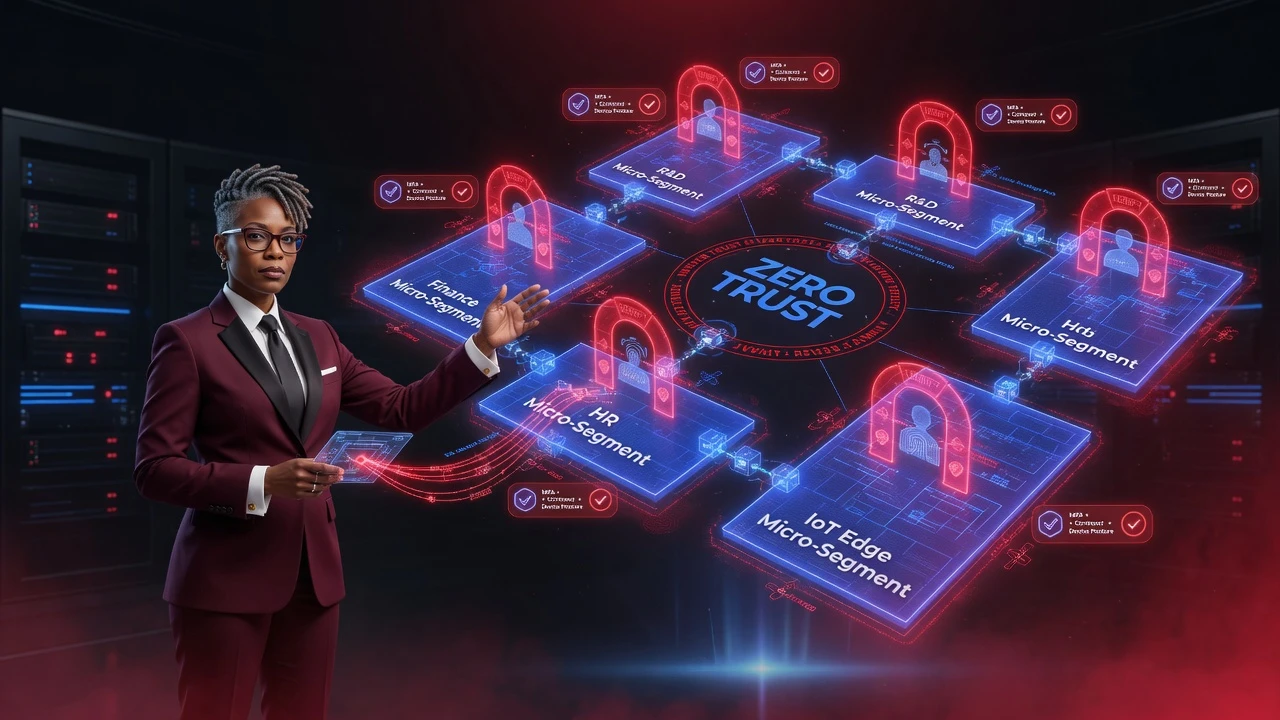
Zero trust architecture
$215B Market $4.45M Breach Cost 60% AI Attacks Zero Trust Ransomware Post-Quantum Crypto Cloud Security AI vs AI 2,220 Attacks/Day NIST CSF 2.0 CNAPP PQC Migration $215B Market $4.45M Breach Cost 60% AI Attacks Zero Trust Ransomware Post-Quantum Crypto Cloud Security AI vs AI 2,220 Attacks/Day NIST CSF 2.0 CNAPP PQC Migration $215B Market $4.45M Breach Cost 60% AI Attacks Zero Trust Ransomware Post-Quantum Crypto Cloud Security AI vs AI 2,220 Attacks/Day NIST CSF 2.0 CNAPP PQC Migration
Threat Intelligence

The 2026 Threat Landscape

AI-powered attacks, nation-state operations, and supply chain compromises — organizations face 2,220 attacks per day.
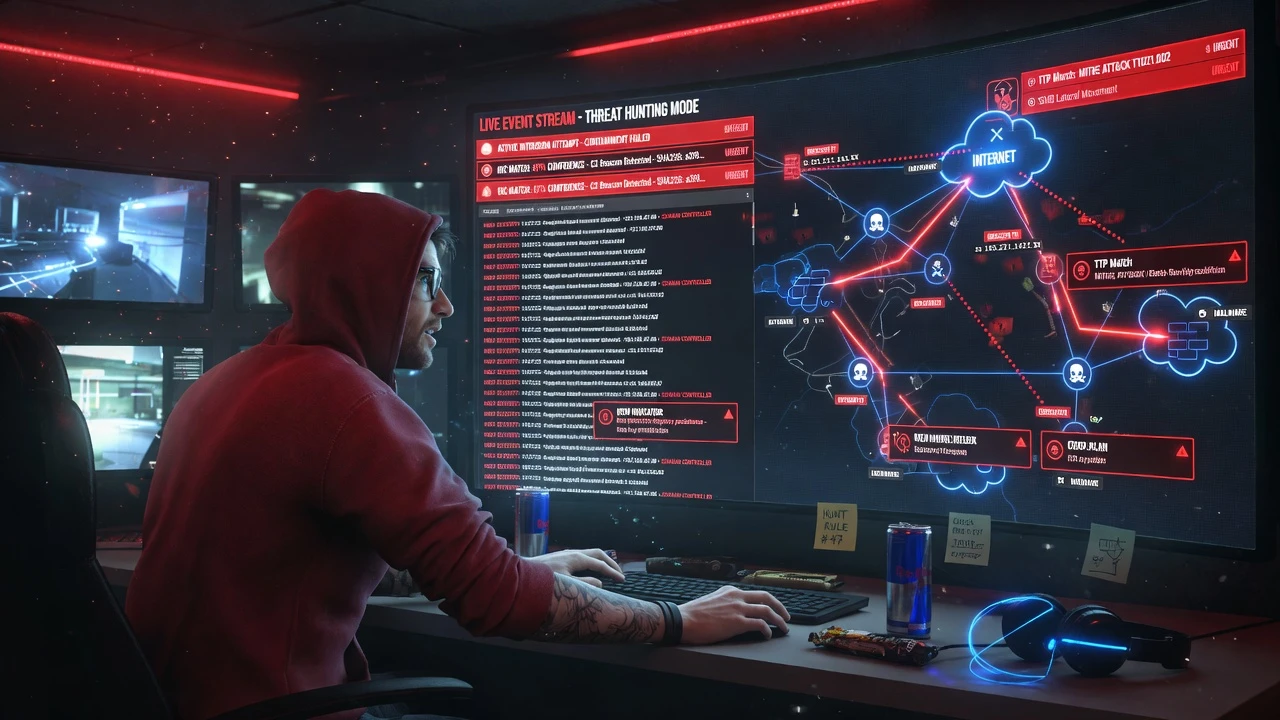
The 2026 Cybersecurity Threat Landscape
Threat Landscape

The 2026 Cybersecurity Threat Landscape

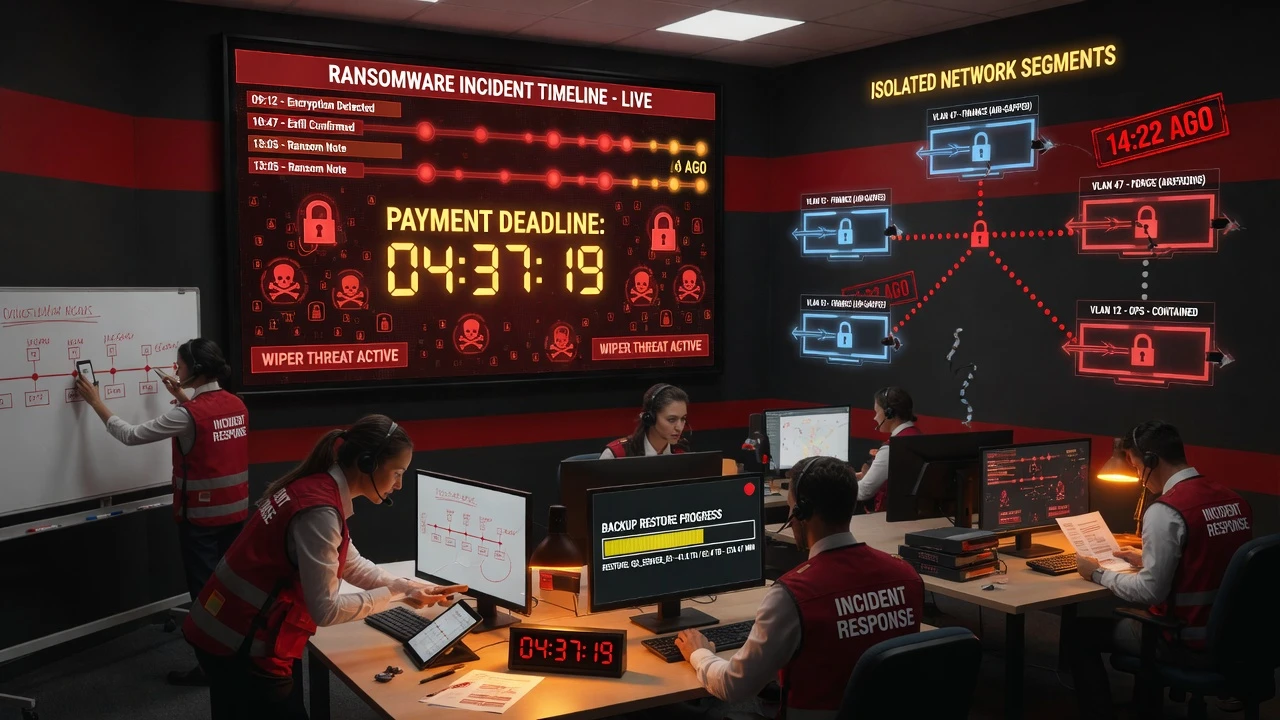
The cybersecurity threat landscape has fundamentally shifted. AI-powered attacks, nation-state operations, and supply chain compromises are now the norm. Organizations face an average of 2,220 attacks per day — a 44% increase year-over-year — with ransomware remaining the top threat.
$10.5T: Annual cybercrime cost by 2025
1 in 3: Businesses breached in 2025
277 days: Average breach identification time
83%: Of breaches involve external actors
Critical Vulnerabilities
Top Threats

Critical Vulnerabilities

Six top threats organizations face in 2026.

Ransomware: Critical
AI-Powered Phishing: High
Supply Chain Attacks: High
Nation-State APTs: Critical
Insider Threats: Medium
Zero-Day Exploits: High
Security Framework

Zero Trust Architecture

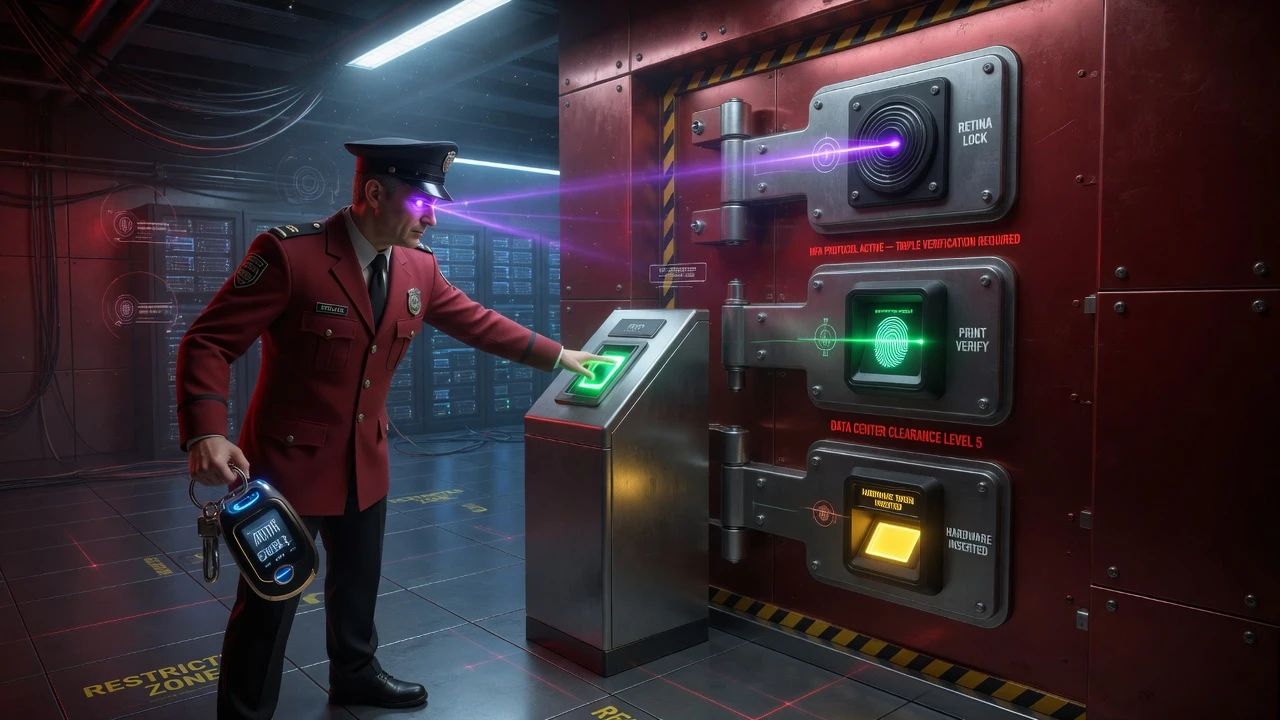
Never trust, always verify — the dominant security paradigm replacing perimeter-based defenses.

Identity

Identity

MFA, SSO, passwordless; risk-based authentication

Okta, Microsoft Entra, Ping
Devices

Devices

Endpoint posture, compliance, MDM integration
CrowdStrike, SentinelOne, Jamf
Networks

Networks

Microsegmentation; SD-WAN; encrypted traffic
Zscaler, Illumio, Cisco
Applications

Applications

API security; runtime protection; SAST/DAST
Snyk, Wiz, Prisma Cloud
Data

Data

Classification, encryption, DLP, rights management
Varonis, Forcepoint, Microsoft Purview
Infrastructure

Infrastructure

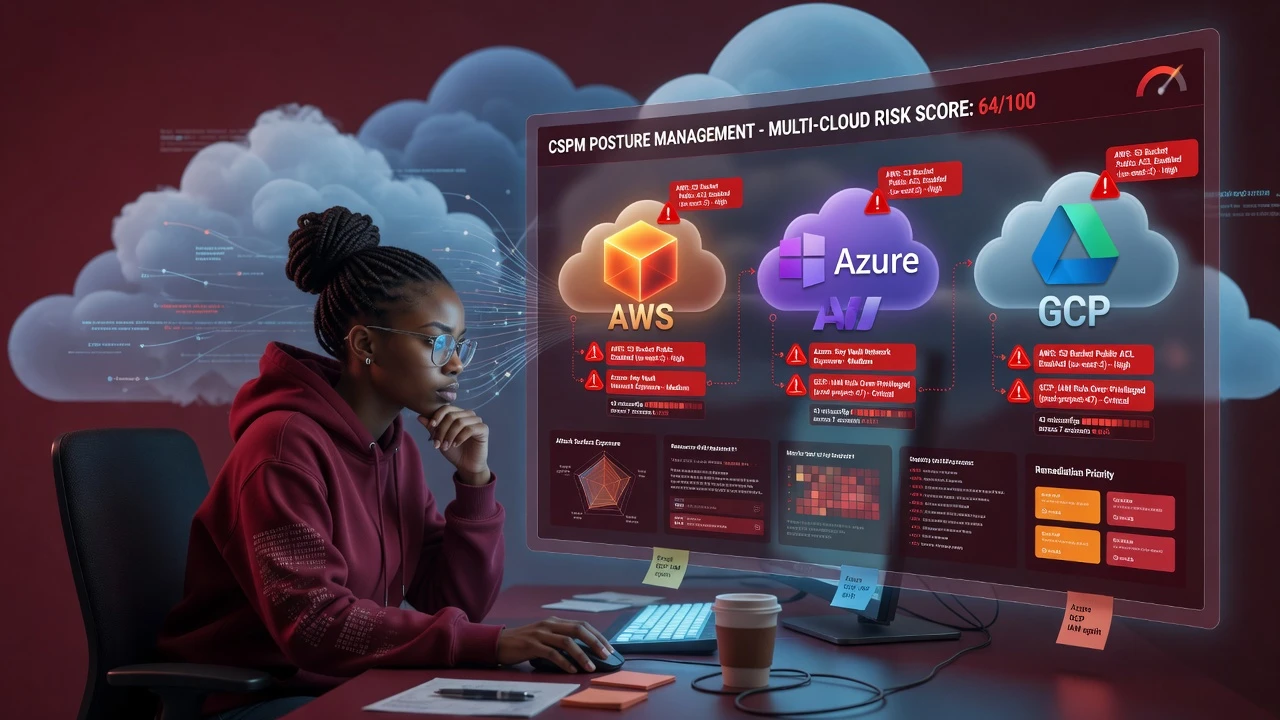
Cloud posture, container security, workload protection

Wiz, Orca, Lacework
AI Arms Race

AI in Cybersecurity

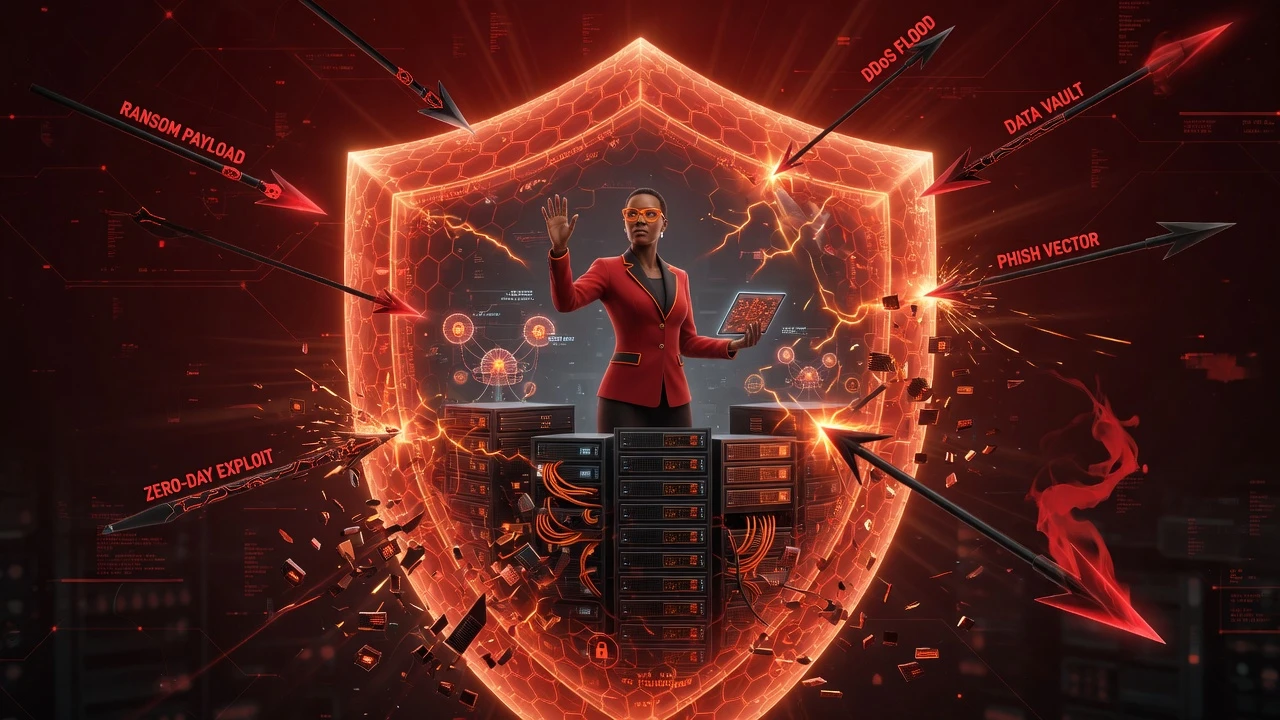
60% of cyberattacks involve AI — while AI-powered defense reduces breach costs by $2.2M.
AI Attack Uses

AI Attack Uses

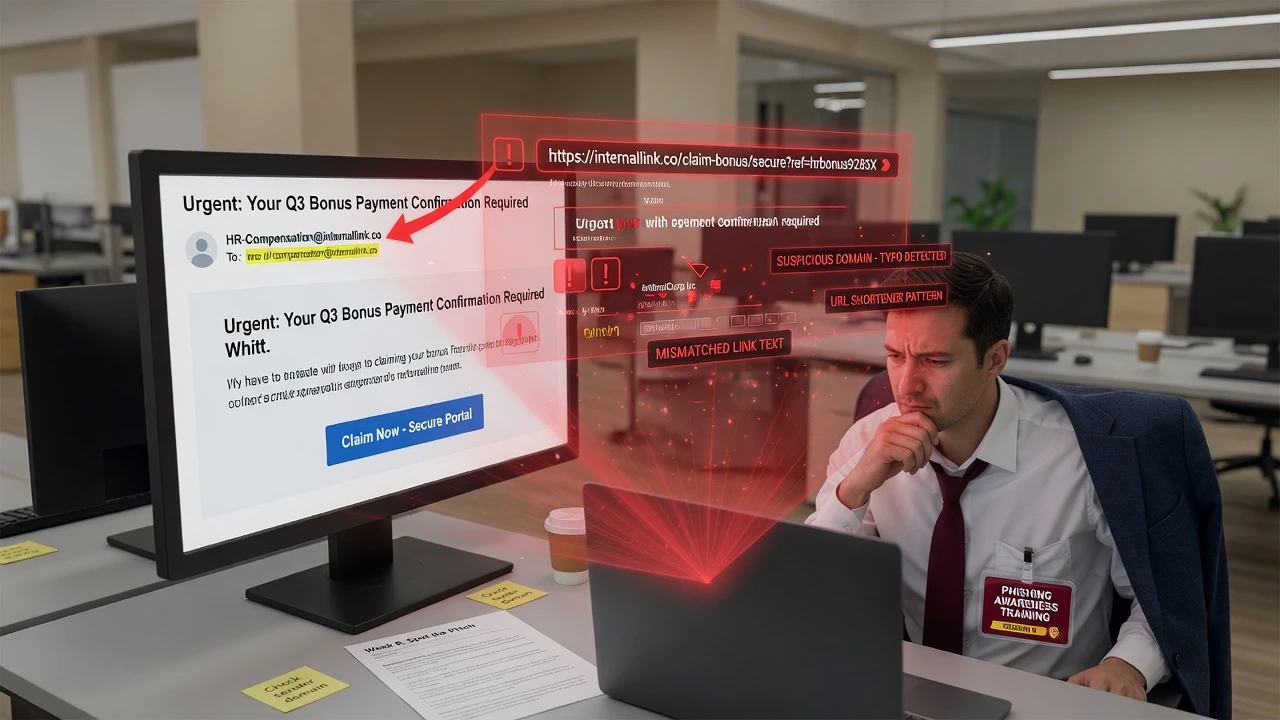
AI-Generated Phishing: LLMs produce convincing, personalized phishing at scale — 1,265% increase in AI phishing in 2025
Deepfake Social Engineering: Voice and video deepfakes used for CEO fraud, impersonation, and bypassing biometric verification
Automated Vulnerability Discovery: AI scanning for zero-days faster than patch cycles; automated exploit generation
Polymorphic Malware: AI-generated code mutations that evade signature-based detection
AI Defense Uses

AI Defense Uses

Threat Detection & Response: ML models detecting anomalies in network traffic, user behavior, and system logs — 27% faster detection
Automated Triage: AI sorting alerts by severity; reducing analyst workload by 70%; SOAR integration
Predictive Intelligence: AI forecasting attack patterns; preemptive defense deployment; threat hunting at scale
Code Security: AI-powered SAST/DAST scanning; auto-remediation suggestions; shift-left security
Threat Deep Dive

Top Threats

The most critical threats organizations face in 2026.

Ransomware

Ransomware

Critical — +71% YoY

Average ransom $850K; double extortion now standard; RaaS kits widely available

AI-Powered Phishing

AI-Powered Phishing

High — +1,265% YoY

LLM-generated phishing with deepfake voice/video; 60% of attacks now AI-assisted

Supply Chain Attacks

Supply Chain Attacks

High — +42% YoY

Compromising trusted vendors; SolarWinds-style attacks now routine

Nation-State APTs

Nation-State APTs

Critical — Steady

China, Russia, Iran, North Korea active; critical infrastructure targeting

Insider Threats

Insider Threats

Medium — +18% YoY

Negligent insiders cause 64% of incidents; malicious insiders 23%

Zero-Day Exploits

Zero-Day Exploits

High — +32% YoY

Record 1,944 CVEs in Q1 2025; average patch time 38 days

2026 → 2030

The Security Future

Key milestones defining the next five years of cybersecurity.

2026
2026
EU AI Act cybersecurity requirements enforced
NIS2 Directive full implementation across EU • AI-powered attacks surpass human-crafted attacks in volume • Passwordless authentication reaches 50% enterprise adoption
2027-2028
2027-2028
PQC migration begins for critical infrastructure
Quantum-resistant VPNs and TLS deployed at scale • Autonomous SOC (AI-only tier 1 response) mainstream • Cyber insurance becomes mandatory for critical sectors
2029-2030
2029-2030
Cybersecurity market reaches $345B
AI security segment hits $30B • First major "harvest now, decrypt later" breach disclosed • Zero Trust reaches 80% enterprise adoption globally
2030s
2030s
Q-Day: quantum computers break RSA-2048
Full PQC migration required by regulation • AI vs AI cyber warfare normalized • Cybersecurity workforce gap closes through AI augmentation
FAQ

Frequently Asked Questions

Structured answers to the most common cybersecurity questions — optimized for AI search citation.

What is zero trust architecture?
Zero Trust is a security framework that eliminates implicit trust and continuously verifies every access request. Instead of defending a perimeter, Zero Trust authenticates and authorizes every user, device, and connection based on identity, context, and risk — regardless of network location. The core principles are: verify explicitly, use least privilege access, and assume breach.
How much does a cyberattack cost an organization?
The average cost of a data breach in 2025 is $4.45 million (IBM Cost of a Data Breach Report). This includes detection and escalation ($1.5M), lost business ($1.3M), notification and response ($0.6M), and post-breach remediation ($1.0M). Ransomware attacks cost even more — average total cost including ransom payment, downtime, and recovery is $4.91M per incident.
How is AI being used in cyberattacks?
AI is used by attackers to: (1) generate convincing phishing emails at scale (1,265% increase in AI phishing in 2025), (2) create deepfake voice and video for social engineering, (3) automate vulnerability discovery and exploit generation, (4) produce polymorphic malware that evades signature detection, and (5) scan and map target networks faster than human operators. 60% of cyberattacks in 2025 involved AI-generated content or automation.
What is the difference between CSPM, CWPP, and CNAPP?
CSPM (Cloud Security Posture Management) continuously assesses cloud configurations for compliance and misconfigurations. CWPP (Cloud Workload Protection Platform) provides runtime protection for VMs, containers, and serverless workloads. CNAPP (Cloud-Native Application Protection Platform) is a unified platform that combines CSPM, CWPP, DSPM (data security), and IaC scanning into a single solution — this is the industry direction.
What is post-quantum cryptography and why does it matter now?
Post-quantum cryptography (PQC) refers to cryptographic algorithms that are resistant to attacks by quantum computers. Current public-key crypto (RSA, ECC) will be broken by sufficiently powerful quantum computers within 10-15 years. "Harvest now, decrypt later" attacks — where adversaries steal encrypted data today to decrypt it when quantum computers arrive — are already occurring. NIST finalized PQC standards in 2024 (FIPS 203, 204, 205), and organizations should begin migration immediately.
What are the most important cybersecurity frameworks?
The most widely adopted frameworks are: NIST CSF 2.0 (universal, updated 2024), ISO 27001 (global certification standard), CIS Controls v8 (practical implementation), SOC 2 (US service providers), PCI DSS 4.0 (payment processing), and EU NIS2 Directive (critical infrastructure in EU). Most organizations adopt multiple frameworks — NIST CSF for strategy, ISO 27001 for certification, and CIS for implementation.
How can I start a career in cybersecurity?
Key paths: (1) Security Analyst — start with CompTIA Security+ and Network+ certifications; (2) Penetration Tester — pursue OSCP certification and practice on HackTheBox/TryHackMe; (3) Cloud Security — get CCSP or cloud provider certifications (AWS Security, Azure Security); (4) AI Security — emerging field requiring ML knowledge plus security fundamentals. The workforce gap is 4 million professionals, so demand is high. Average salaries range from $70K (entry-level analyst) to $500K+ (CISO).
What is ransomware-as-a-service (RaaS)?
RaaS is a business model where ransomware developers create the malware and lease it to affiliates who carry out attacks. Developers take 20-30% of ransom payments; affiliates keep the rest. This has professionalized ransomware — affiliates get polished malware, negotiation platforms, leak sites, and customer support. Major RaaS operations include LockBit, BlackCat/ALPHV, and RansomHub. The model has made ransomware accessible to non-technical criminals.
What is deepfake detection and why is it important?
Deepfake detection uses AI to identify AI-generated synthetic media — fake videos, voice clones, and manipulated images. Searches for deepfake detection grew 450% YoY as deepfakes became weaponized for fraud, political disinformation, and celebrity scams. Detection methods include analyzing facial micro-expressions, blood flow patterns, audio artifacts, and metadata inconsistencies. Major platforms like Microsoft, Google, and Meta are deploying deepfake detection tools, but the arms race between generation and detection AI is accelerating.
What is the cybersecurity workforce gap?
The global cybersecurity workforce gap is approximately 4 million professionals, according to ISC2. Despite adding 440K workers in 2025, demand continues to outpace supply. The most critical shortages are in cloud security, AI security, and threat intelligence. Organizations are addressing the gap through apprenticeships, reskilling programs, AI-augmented security tools that amplify analyst productivity, and competitive compensation. Average salaries range from $70K (entry-level) to $500K+ (CISO at large enterprises).
Cybersecurity character

Secure Your Future

Get the latest zero trust insights, AI security updates, and post-quantum cryptography guidance delivered weekly.

Explore Cybersecurity Articles →
🛡️ Zero Trust 🤖 AI Security 🔐 Post-Quantum