Nuclear reactor
Live · Updated 2026

Nuclear Energy

SMRs, advanced fission, and the atomic comeback

From small modular reactors and Generation IV designs to fusion milestones and the AI-nuclear nexus — explore the technologies reshaping the global energy landscape with clean, dispatchable baseload power.
440+ Reactors operating globally
60+ SMR designs in development
$53.8B SMR market by 2036
1,446 GWe projected by 2050
Small modular reactor
440+ Reactors 60+ SMR Designs $53.8B SMR Market AI-Nuclear Nexus Gen IV Reactors Fusion Energy HALEU Supply Reactor Restarts Microsoft PPA Amazon SMR Google Fusion Meta Nuclear 440+ Reactors 60+ SMR Designs $53.8B SMR Market AI-Nuclear Nexus Gen IV Reactors Fusion Energy HALEU Supply Reactor Restarts Microsoft PPA Amazon SMR Google Fusion Meta Nuclear 440+ Reactors 60+ SMR Designs $53.8B SMR Market AI-Nuclear Nexus Gen IV Reactors Fusion Energy HALEU Supply Reactor Restarts Microsoft PPA Amazon SMR Google Fusion Meta Nuclear
Trending #1

Small Modular Reactors

Compact, factory-built nuclear reactors promising lower costs, enhanced safety, and scalable deployment.

Small Modular Reactors (SMRs): The Nuclear Renaissance
SMR Overview

Small Modular Reactors (SMRs): The Nuclear Renaissance

Small Modular Reactors are compact, factory-built nuclear reactors typically under 300 MWe. They promise lower construction costs, enhanced passive safety, and scalable deployment — making them the most searched nuclear topic globally.
Factory-Built & Scalable: Modular manufacturing enables series production, reducing costs up to 40% after 6-10 units.
Enhanced Passive Safety: Gen III+ designs use gravity, convection, and natural circulation — no active cooling needed.
Flexible Siting: Smaller footprint allows deployment near data centers, industrial sites, and remote communities.
Cost-Competitive Baseload: Continuous clean power at competitive LCOE, unlike intermittent renewables.
Leading SMR Developers
Key Companies

Leading SMR Developers

Eight companies driving the SMR revolution.

NuScale: VOYGR (77 MWe)
TerraPower: Natrium (345 MWe)
Oklo: Aurora (15-75 MWe)
X-energy: Xe-100 (80 MWe)
Kairos Power: Hermes (140 MWe)
Rolls-Royce: UK SMR (470 MWe)
Industry Trend

The AI-Nuclear Nexus

Tech giants are securing nuclear power to meet the explosive energy demands of AI infrastructure.
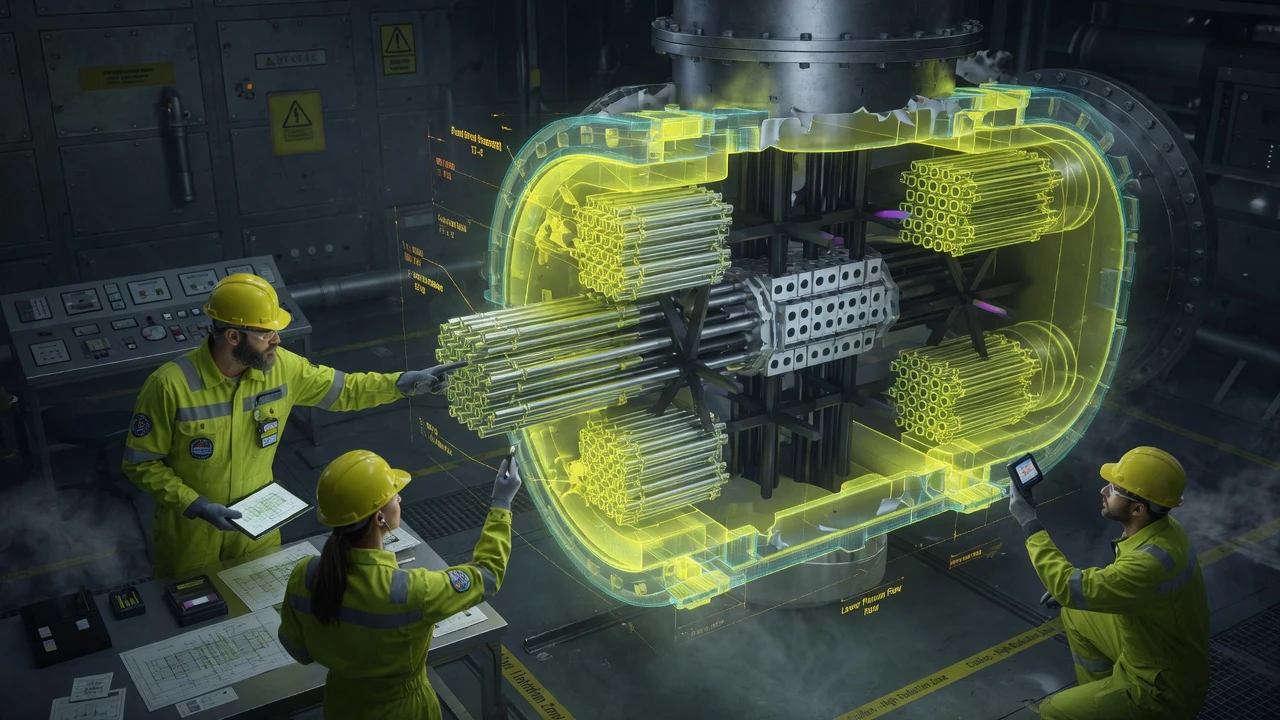
Microsoft

Microsoft

Constellation / Three Mile Island

20-year PPA to restart TMI Unit 1 for AI data centers

Plant Restart
Amazon

Amazon

X-energy

$500M+ investment; 4 HTGRs to power data centers by 2030s

SMR Investment
Google

Google

Kairos Power / CFS

Multi-reactor PPA; also partnered with Commonwealth Fusion Systems

SMR + Fusion PPA
Meta

Meta

Oklo & TerraPower

Seeking 1-4 GW of nuclear capacity for AI operations

LMFR Deployment
Emerging Technology

Generation IV Reactors

Beyond traditional light water reactors — molten salt, liquid metal, and high-temperature gas coolants.
Molten Salt Reactors (MSR)

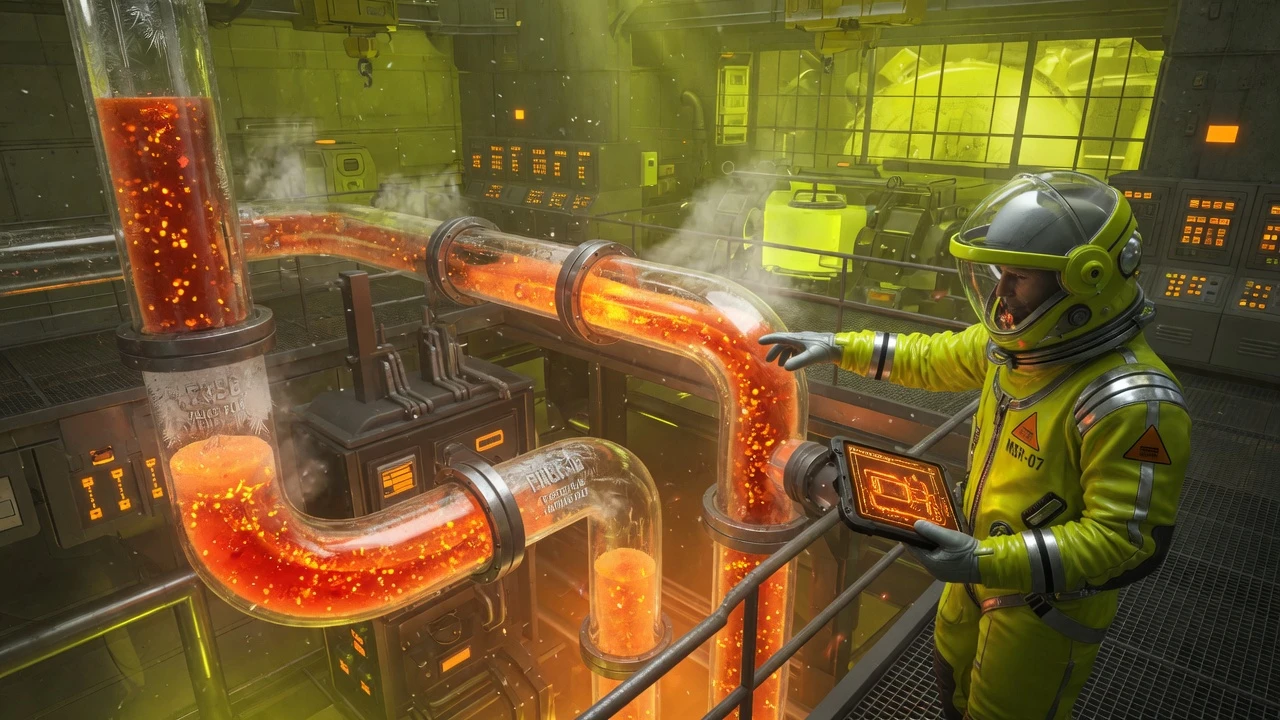
Molten Salt Reactors (MSR)

Molten Fluoride/Chloride Salt • 600-900°C

High thermal efficiency, fuel flexibility, online refueling

Kairos Power, TerraPower, MoltexEnergy
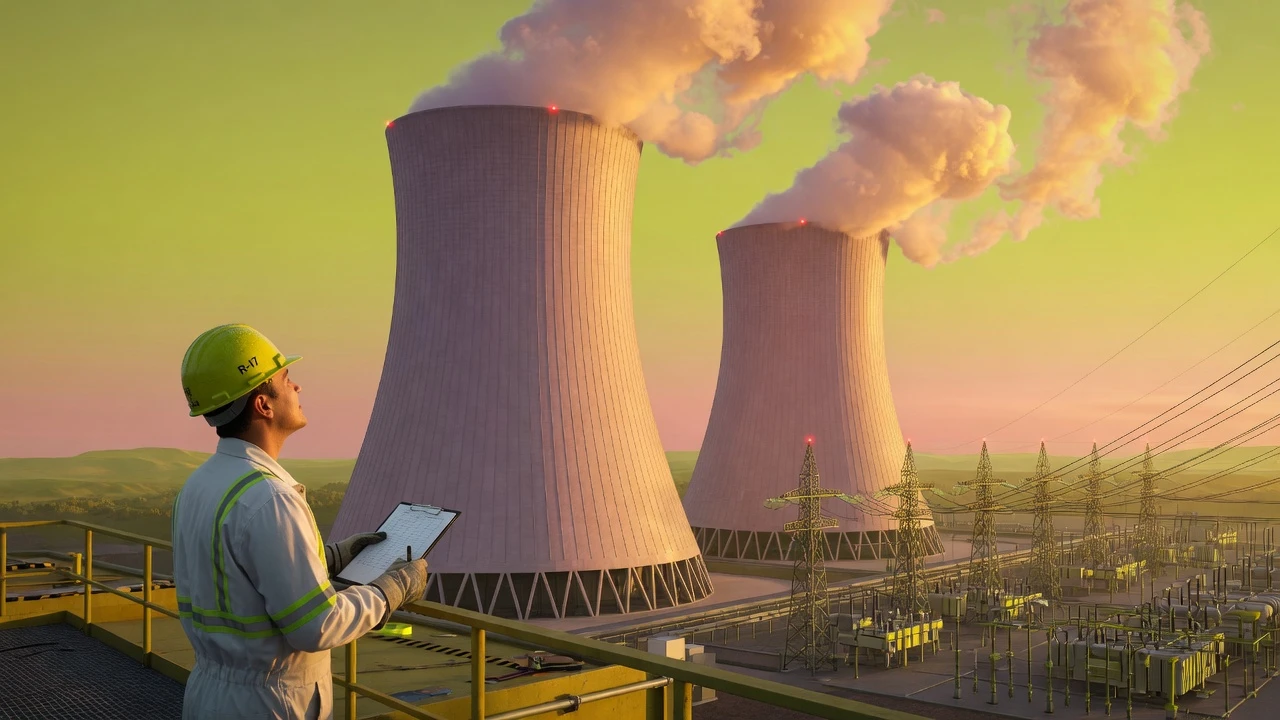
High-Temperature Gas Reactors (HTGR)

High-Temperature Gas Reactors (HTGR)

Helium Gas • 700-950°C

High efficiency, process heat for industry & hydrogen

X-energy, BWX Technologies
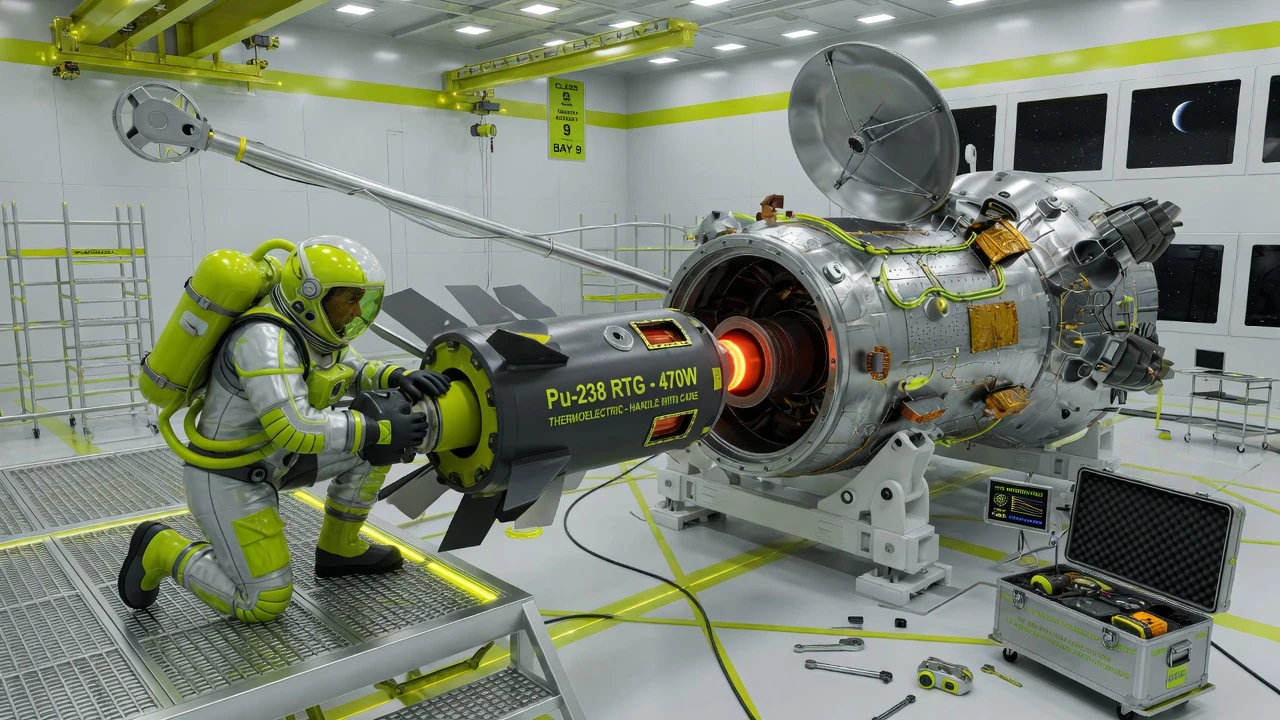
Liquid Metal Fast Reactors (LMFR)

Liquid Metal Fast Reactors (LMFR)

Sodium or Lead-Bismuth • 500-550°C

Breeding capability, actinide recycling, long fuel cycle

Oklo, TerraPower (Natrium), GE Hitachi
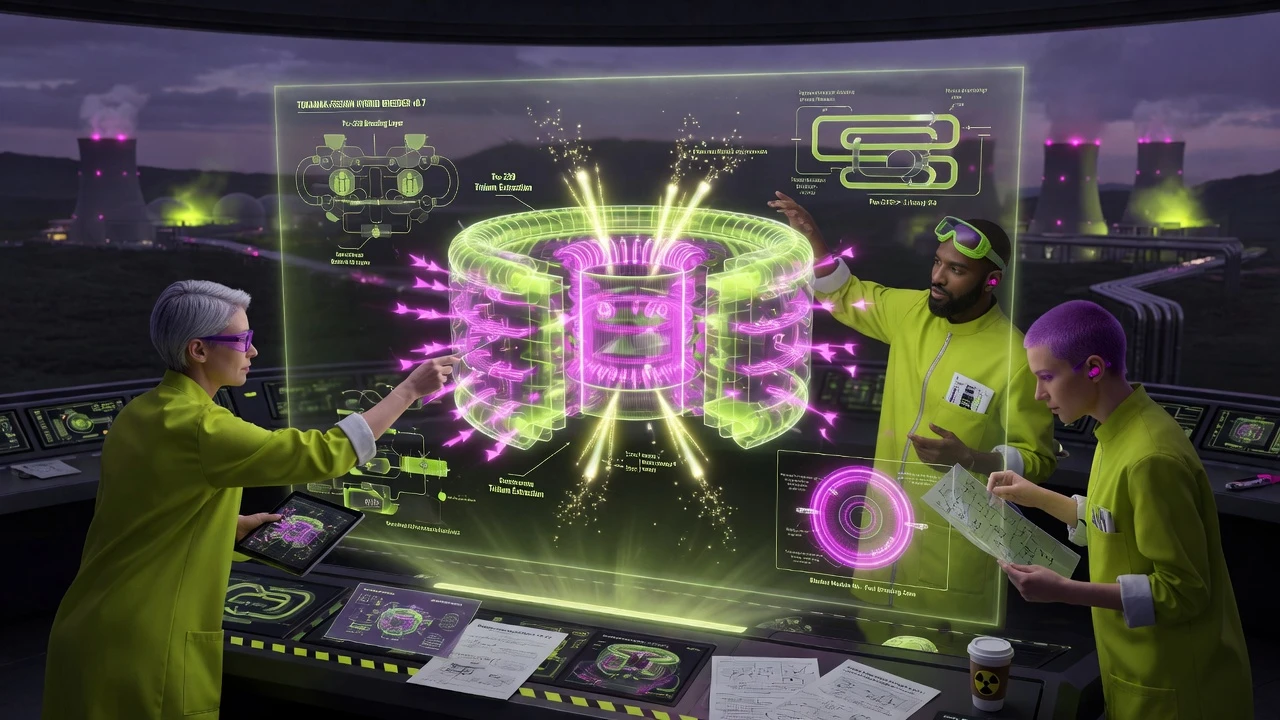
Microreactors

Microreactors

Various (Heat Pipe) • Varies

Transportable, 1-20 MWe, fully passive, remote deployment

Westinghouse eVinci, Radiant, Oklo Aurora
Future Technology

Nuclear Fusion

The path to unlimited clean energy — driven by breakthroughs in magnetic confinement and laser ignition.

Key Events
Fusion Milestones

Key Events

2022: NIF achieves first net-energy-gain fusion ignition
2025: Multiple private companies demonstrate significant plasma progress
2026: Commonwealth Fusion Systems SPARC first plasma expected
2027-2030: Helion Energy targets first electricity from fusion
Early 2030s: CFS ARC commercial fusion plant (~400 MW) planned
2030-2040: Fusion market projected to grow at ~6% CAGR
Fusion Startups
Leading Companies

Fusion Startups

Commonwealth Fusion Systems: Tokamak / HTS Magnets
Helion Energy: Magneto-Inertial Fusion
TAE Technologies: Field-Reversed Configuration
Zap Energy: Sheared-Flow Z-Pinch
2026 → 2030

The Nuclear Future

Key milestones shaping the nuclear energy sector through 2030 and beyond.

2026
2026
China's Linglong One becomes first commercial onshore SMR
CFS SPARC first plasma demonstration • Palisades restart targets completion
2027-2028
2027-2028
First SMR licensing decisions in the US
Helion Energy targets first fusion electricity • Multiple SMR final investment decisions
2029-2030
2029-2030
First US SMR deployments expected
EU SMR Alliance first-of-a-kind installations • Nuclear market reaches $70.68B
2030s
2030s
Commercial fusion plant (CFS ARC) targets operation
Gen IV reactors enter commercial deployment • Nuclear-powered shipping pilots launch
FAQ

Frequently Asked Questions

Structured answers to the most common nuclear energy questions — optimized for AI search citation.

What is a small modular reactor (SMR)?
A small modular reactor is a nuclear reactor typically producing under 300 MWe, designed with modular components that can be factory-built and transported to site. SMRs offer enhanced passive safety, lower upfront capital costs, and flexible deployment compared to traditional large nuclear plants.
How does nuclear energy power AI data centers?
Tech giants like Microsoft, Amazon, Google, and Meta are signing power purchase agreements (PPAs) with nuclear operators and investing in SMR startups. Nuclear provides 24/7 carbon-free baseload power — critical for data centers that require constant, reliable electricity. SMRs can be co-located directly with data centers, reducing grid dependency.
Is nuclear energy safe?
Nuclear energy has the lowest fatality rate of any major energy source at 0.03 deaths per TWh — lower than solar, wind, and hydro. Modern Gen III+ and Gen IV reactors use passive safety systems that require no active cooling. The risk of meltdown in newer designs is effectively eliminated through physics-based safety mechanisms.
What is HALEU and why does it matter?
HALEU (High-Assay Low-Enriched Uranium) is uranium enriched to 5-20% U-235, compared to the 3-5% used in conventional reactors. Most advanced reactors and SMRs require HALEU fuel. Currently, domestic HALEU production is extremely limited, making it the #1 supply chain bottleneck for advanced reactor deployment in the US.
When will nuclear fusion be commercially viable?
Multiple private fusion companies aim to demonstrate net energy production by 2026-2027. Commonwealth Fusion Systems plans its first commercial fusion power plant (ARC, ~400 MW) in the early 2030s. However, commercial viability at scale is most realistically expected in the 2035-2045 timeframe.
How much does a small modular reactor cost?
First-of-a-kind (FOAK) SMR costs are expected to be high, but series production of 6-10+ units is projected to reduce costs by up to 40%. The global SMR market is forecast to reach $53.8 billion by 2036 and nearly $300 billion by 2046, according to IDTechEx.
What is the difference between nuclear fission and fusion?
Fission splits heavy atoms (uranium, plutonium) to release energy — this is how all current nuclear power plants work. Fusion combines light atoms (hydrogen isotopes) to release energy — the same process that powers the sun. Fusion produces no long-lived radioactive waste and has no meltdown risk, but remains in the development phase.
Can nuclear energy help fight climate change?
Yes. Nuclear energy produces zero greenhouse gas emissions during operation and has the highest capacity factor (90%+) of any clean energy source. The COP28 pledge to triple nuclear capacity by 2050 recognizes nuclear as essential for achieving net-zero targets alongside renewables.
Which companies are building SMRs?
Key SMR developers include NuScale (VOYGR, first NRC-certified SMR design), TerraPower (Natrium sodium-cooled reactor in Wyoming), X-energy (Xe-100 high-temperature gas reactor), Rolls-Royce SMR (UK), Holtec (SMR-300), and GE Hitachi (BWRX-300 in Canada). China's CNNC has already completed the Linglong One (ACP100) — the world's first commercial onshore SMR. Russia's Akademik Lomonosov floating SMR has been operational since 2020.
What is the Palisades nuclear plant restart?
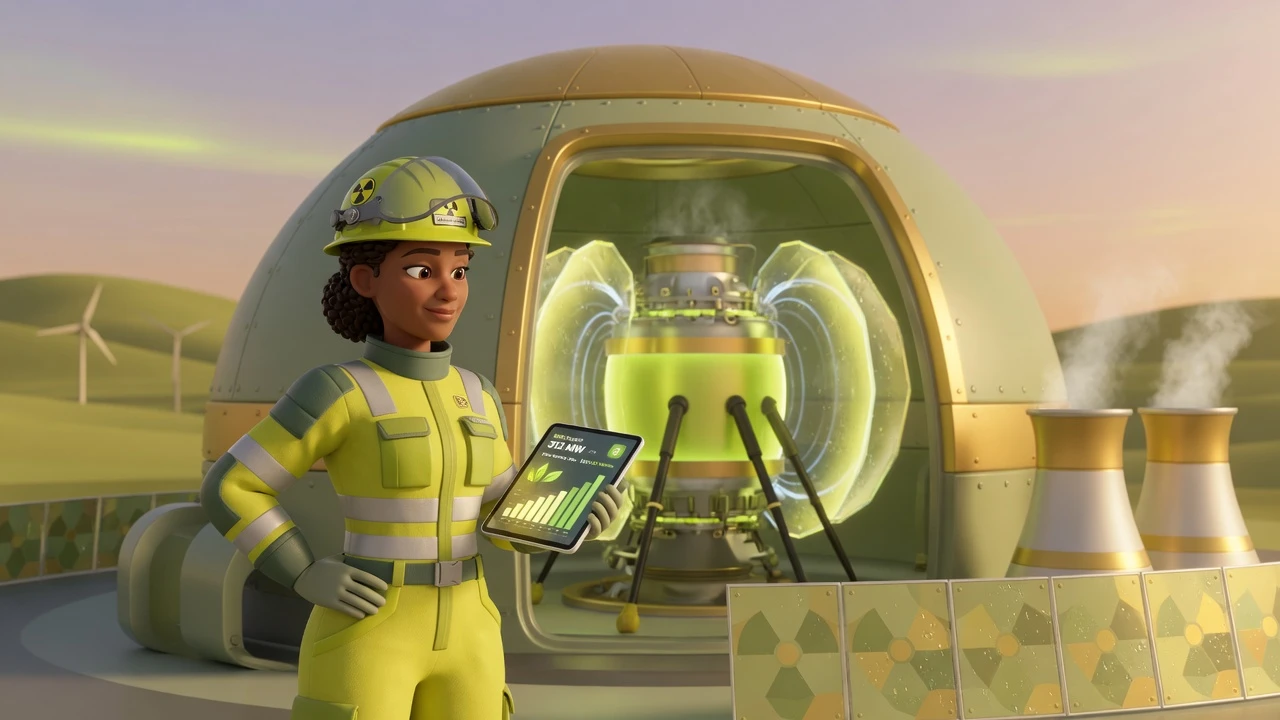
The Palisades Nuclear Plant in Michigan is set to become the first US nuclear plant to restart after previously shutting down. Holtec International purchased the plant in 2022 and is pursuing restart with $1.5B in federal funding from the Inflation Reduction Act. The restart targets 800 MW of carbon-free power and could be a template for reviving other retired nuclear plants. It's expected to resume operations in 2026.
Nuclear character

Power the Future

Get the latest SMR breakthroughs, fusion updates, and nuclear energy insights delivered weekly.

Explore Nuclear Articles →
⚛️ SMRs 🔥 Fusion 🤖 AI-Nuclear