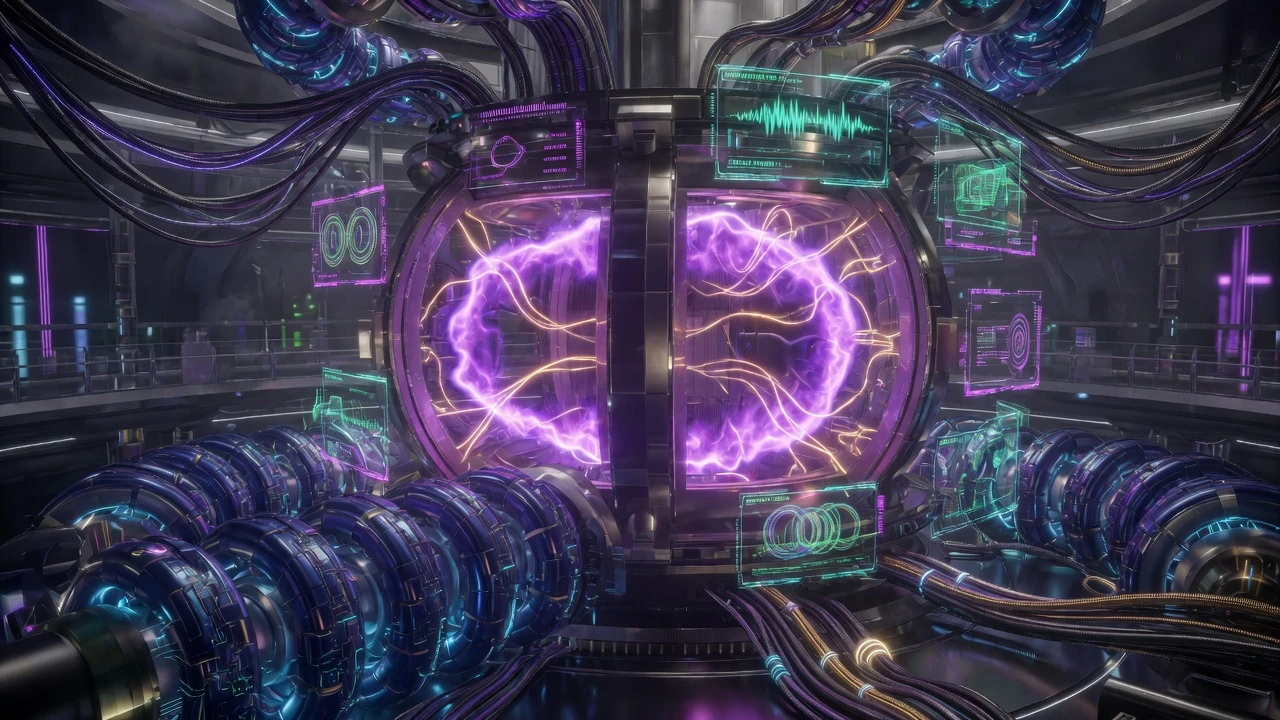
Nuclear Fusion
ITER, NIF, and the quest for unlimited clean energy
Follow the race to commercial fusion — from ITER and NIF breakthroughs to 45+ private startups pursuing the holy grail of energy. Magnetic confinement, inertial ignition, and the $9.2B investment reshaping the timeline.
Fusion by the Numbers
Real data from the Fusion Industry Association, DOE, and national labs — the fusion investment and progress landscape at a glance.
What's Driving Fusion Search Demand
Nine topics capturing the most search interest — from tokamaks to fuel cycles, each backed by real volume data.
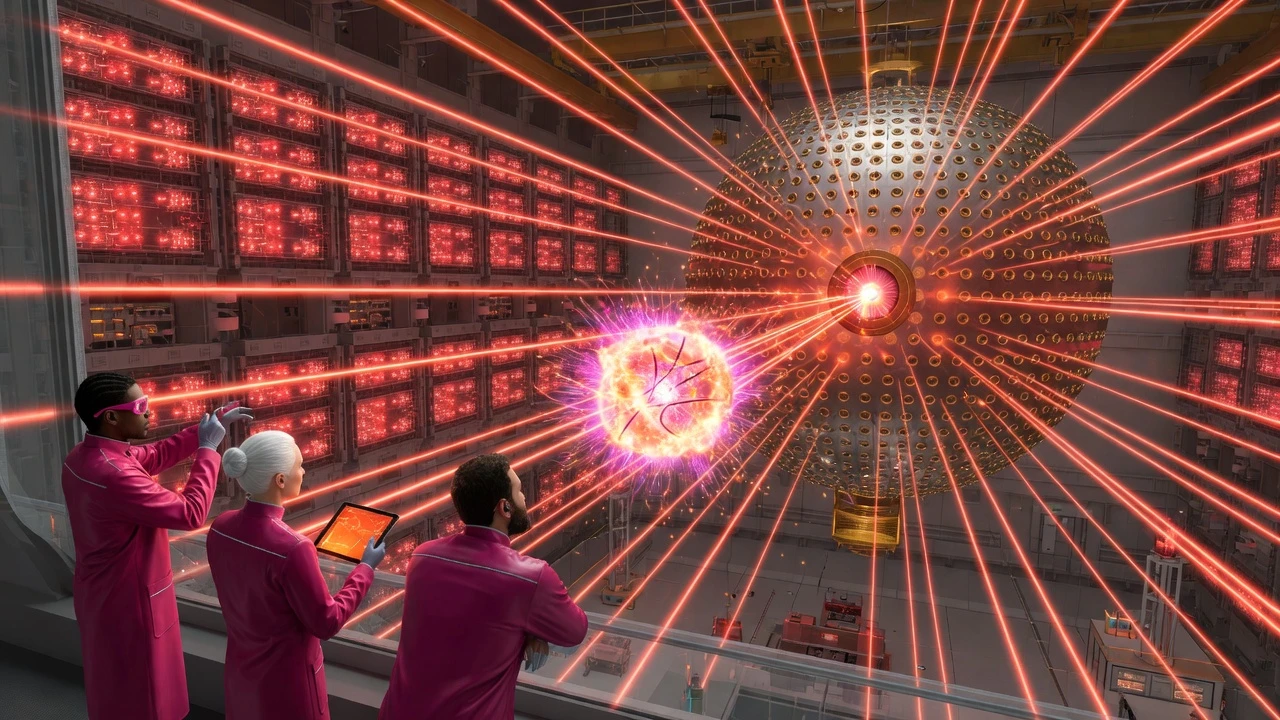
Magnetic Confinement
ITER, tokamaks, stellarators, and the 35-nation quest for sustained fusion.
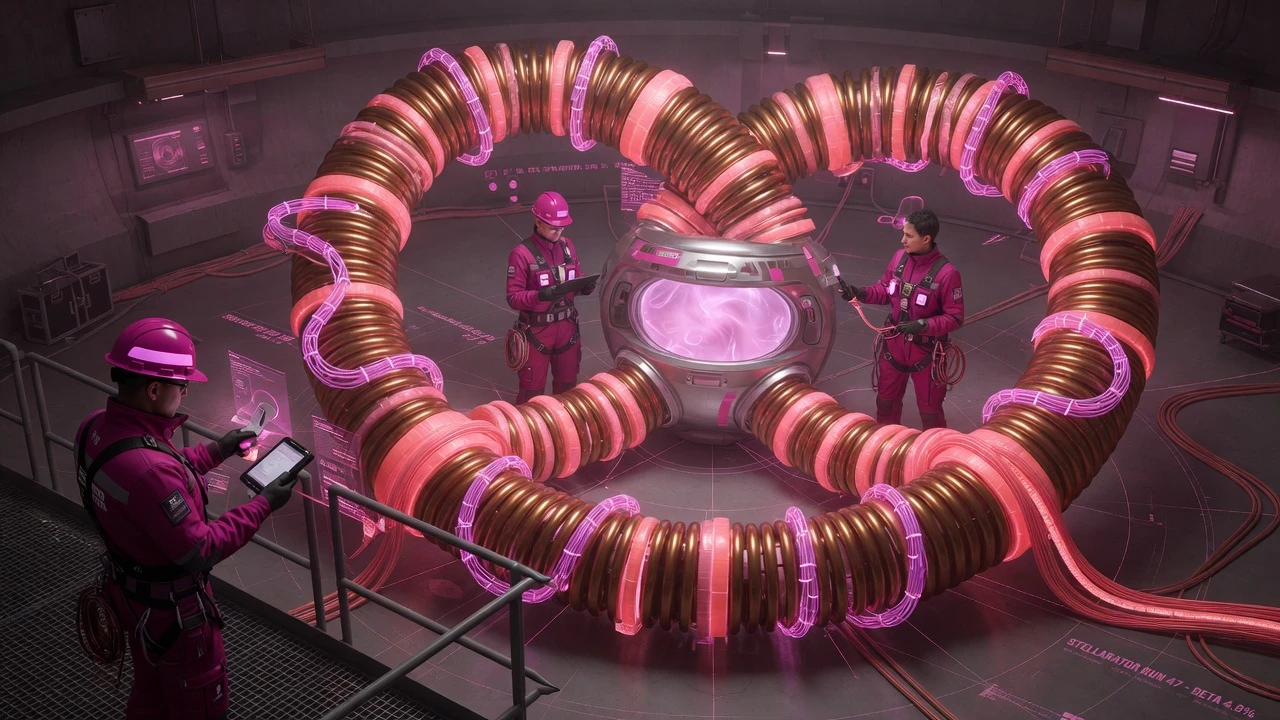
Inertial Confinement
NIF ignition breakthrough — using lasers to achieve fusion net energy gain.
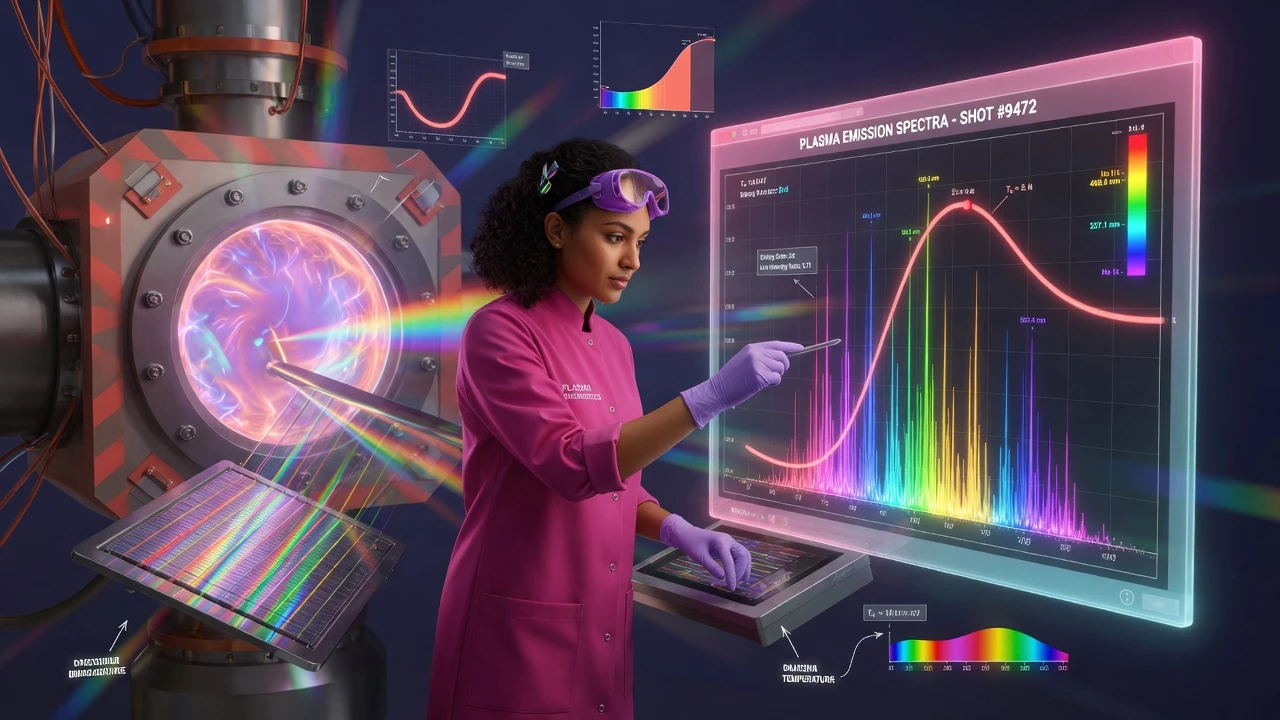
Private Fusion Startups
Helion, Commonwealth Fusion, TAE Technologies — 45+ companies racing.
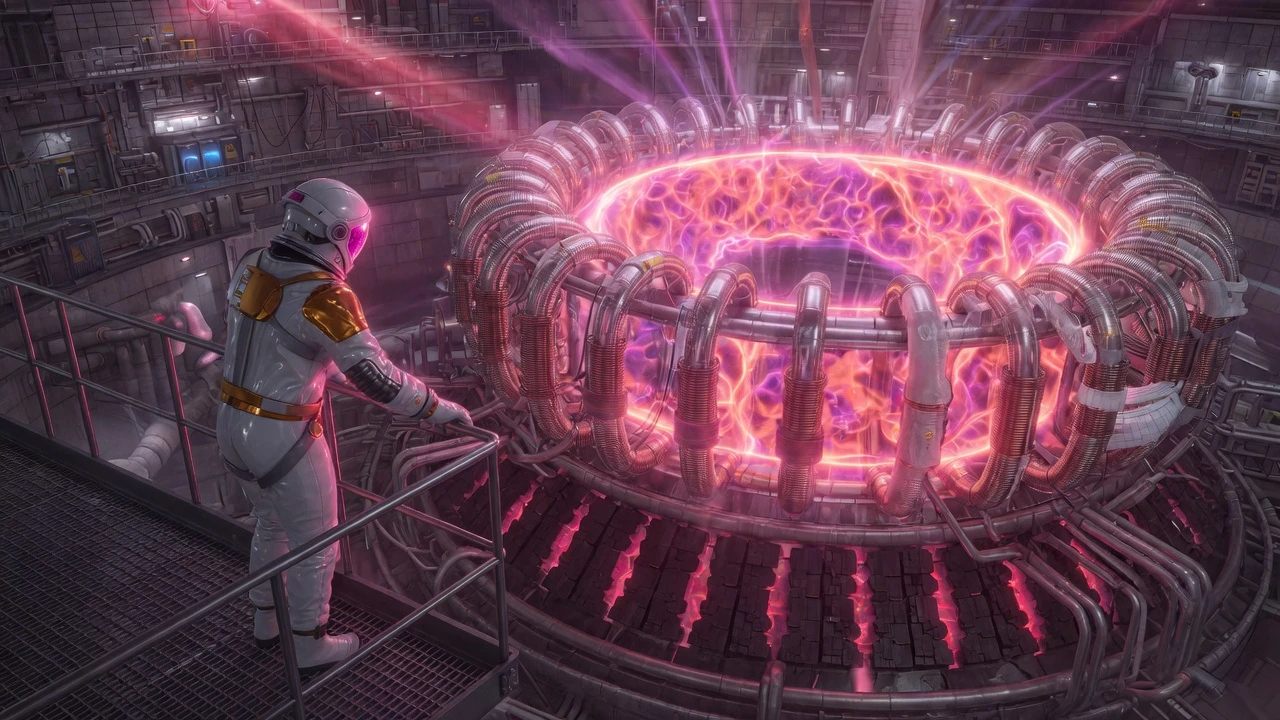
Fusion Fuel Cycles
D-T, D-D, and p-B11 — the fuel reactions that power the stars.
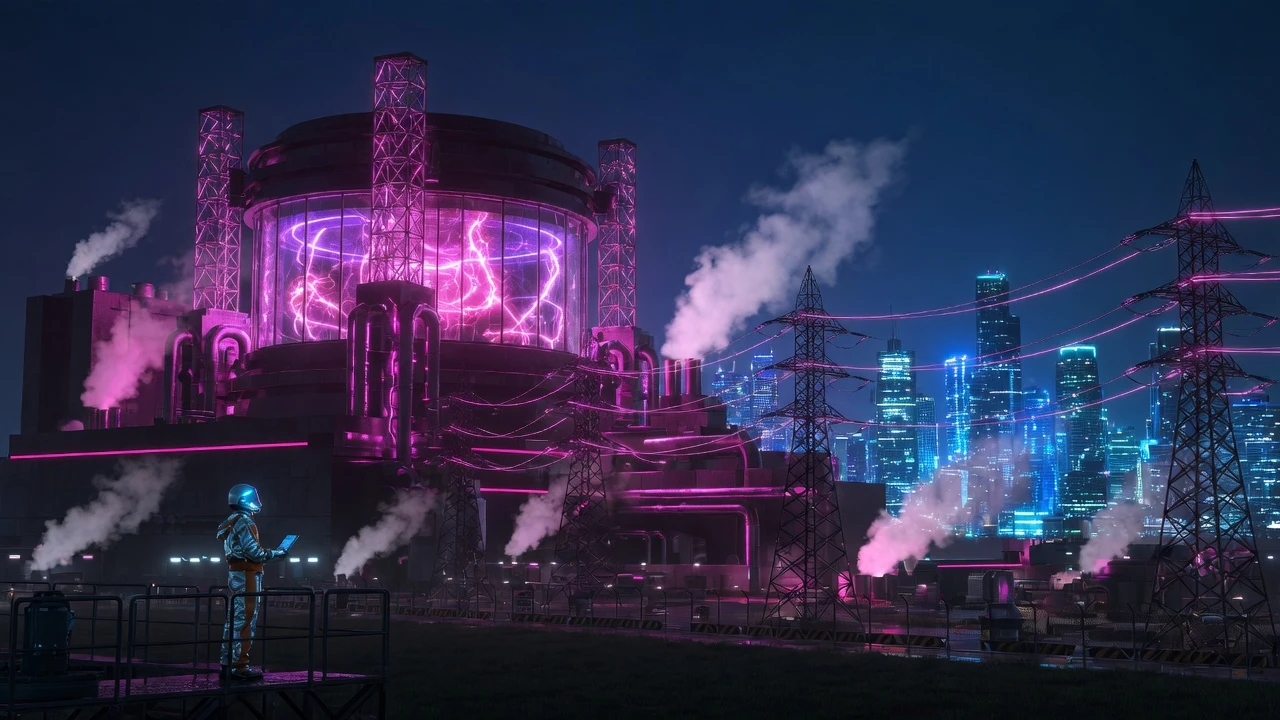
Materials for Fusion
Tungsten, beryllium, and the extreme materials challenge of containing a plasma.
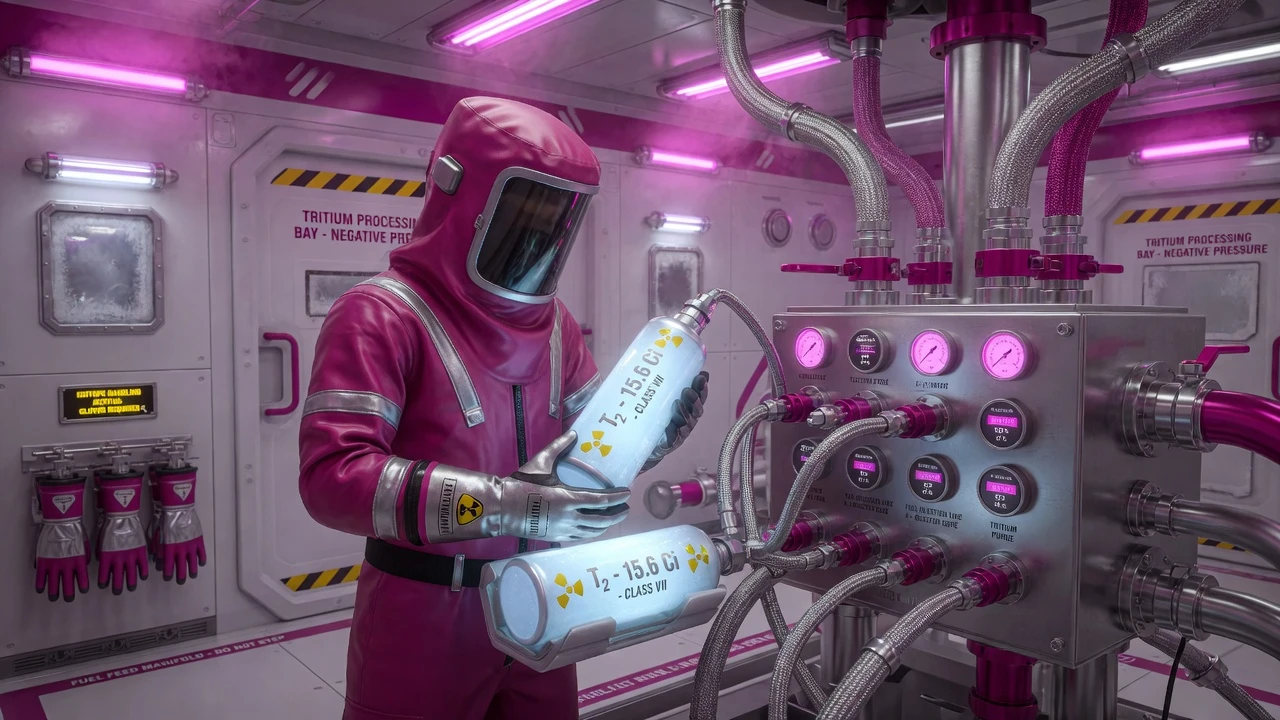
Fusion Economics
When will fusion be commercially viable? Cost projections and timelines.
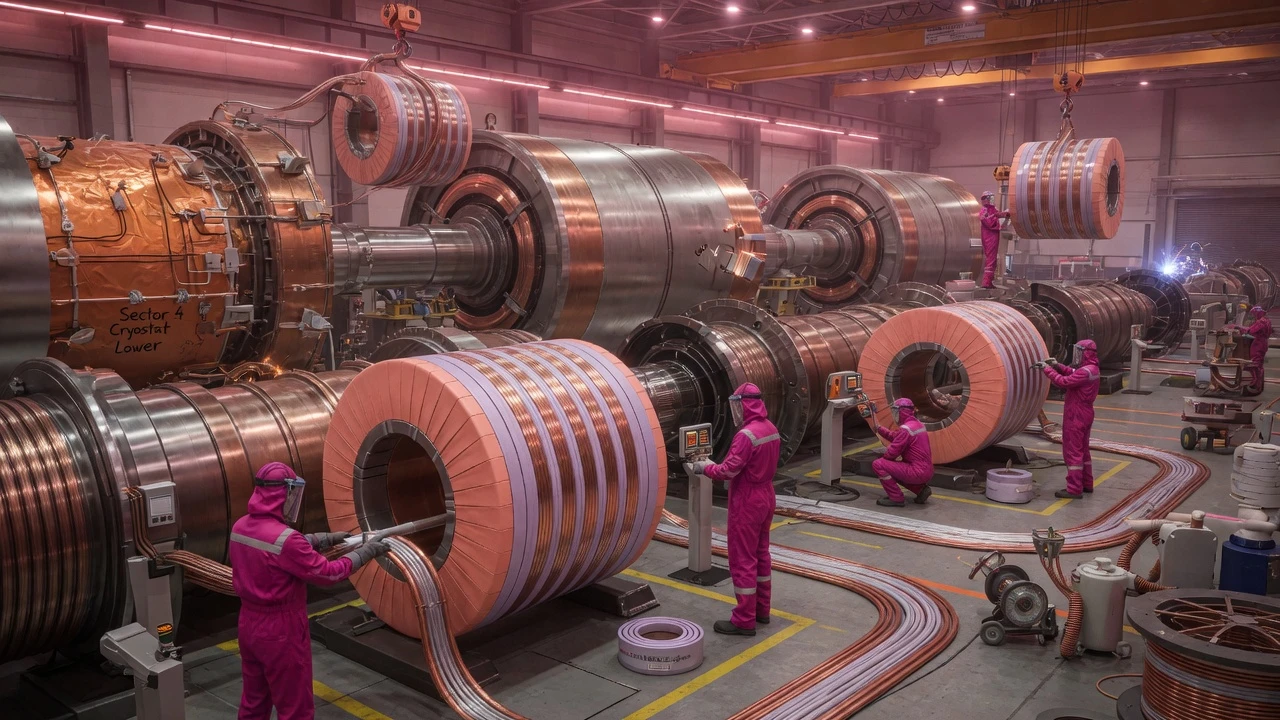
Plasma Physics
The science of confining 150 million°C plasma — stability, turbulence, and control.
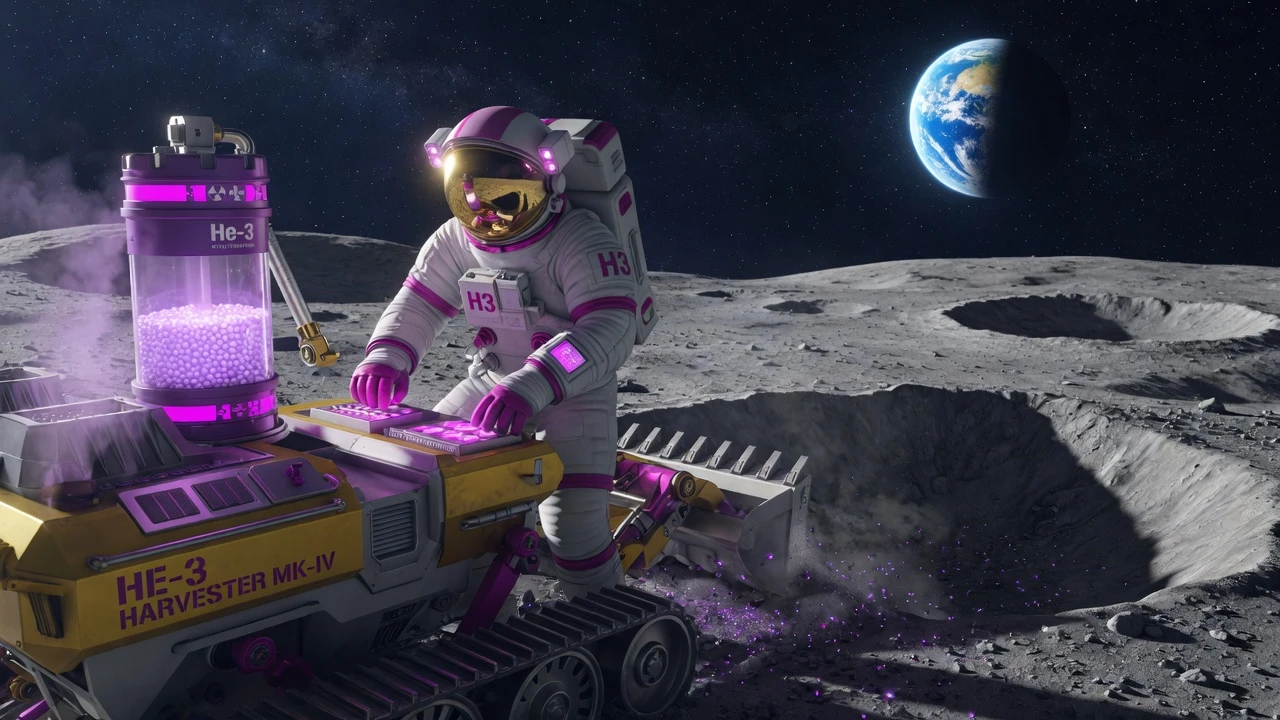
Tritium Breeding
Self-sustaining fuel cycles and the lithium blanket challenge.
Net Energy Gain
Q > 1 milestones and the path from scientific to engineering breakeven.
Six Paths to Fusion
From tokamaks to field-reversed configurations — the competing approaches that could unlock commercial fusion energy.
Tokamak
The leading approach — doughnut-shaped chambers use magnetic fields to confine plasma. ITER is the largest ever built.
Stellarator
Twisted magnetic geometry that avoids plasma currents. Harder to build but more stable than tokamaks.
Field-Reversed Config.
Compact plasma rings without central coils. Helion uses pulsed FRCs for direct energy conversion.
Inertial Confinement
High-power lasers compress fuel pellets to extreme densities. NIF achieved first ignition in 2022.
Magnetized Target
Hybrid approach combining magnetic and inertial confinement. Lower cost, moderate gain potential.
Direct Drive
Lasers hit fuel directly without hohlraum. Higher efficiency but requires uniform illumination.
The Biggest Experiments in Fusion
From ITER's $20B international megaproject to Helion's Microsoft PPA — the projects racing to put fusion on the grid.
ITER
35-nation collaboration building the world's largest tokamak. Designed to produce 500 MW for 400 seconds — 10x energy input. The most expensive science experiment in history.
SPARC
Commonwealth Fusion Systems uses HTS magnets to build a compact tokamak. Backed by $2B+ in funding. Aims to demonstrate net energy gain before ITER.
Helion
Field-reversed configuration with direct energy conversion — no steam turbine needed. First fusion power purchase agreement with Microsoft.
NIF
National Ignition Facility achieved the first fusion ignition in December 2022 — producing more energy than the lasers delivered. Repeated 2x in 2023-2024.
Fusion Fuel Cycles
The three main fusion reactions — each with different temperature requirements, energy gains, and engineering challenges.
The $9.2 Billion Fusion Boom
Private investment in fusion has exploded from less than $1B in 2018 to over $9.2B in 2025. The US leads with 25+ companies, followed by the UK, Germany, and China. Government funding adds another $7B+ through DOE programs alone.
United States
25+ companies including CFS, Helion, TAE. DOE Bold Decadal Vision provides $7B+ in public funding.
United Kingdom
Tokamak Energy, First Light Fusion. UKAEA STEP program targets a fusion plant by 2040.
Germany
Wendelstein 7-X stellarator, Marvel Fusion. Strong academic base in plasma physics.
China & Asia
EAST, HL-2M tokamaks. China aims to build a fusion engineering test reactor by 2035.
The Challenges Ahead
Six engineering and scientific challenges that must be solved before fusion can power the grid.
Sustained Net Electricity
No fusion device has yet produced net electricity — more energy out than the total facility consumes. Scientific breakeven ≠ engineering breakeven.
Materials Survival
Reactor walls face extreme neutron bombardment (14 MeV). Tungsten and beryllium degrade over time, requiring remote maintenance and replacement.
Tritium Breeding
Tritium does not occur naturally. Reactors must breed it from lithium-6 in blankets surrounding the plasma — an unproven technology at scale.
Plasma Stability
Containing 150 million°C plasma is like holding jelly with rubber bands. Turbulence, instabilities, and disruptions can damage the reactor.
Cost Competitiveness
Fusion must compete with solar ($0.03/kWh) and wind. Current cost projections suggest $50-100/MWh — viable but not transformative without scale.
Regulatory Framework
No country has a fusion-specific regulatory regime. The US and UK are developing frameworks, but licensing the first plant will be unprecedented.
The Timeline to Commercial Fusion
Five milestones that could determine whether fusion energy becomes reality in the 2030s — or slips further into the future.
Trending Fusion Searches
Real Google search volume data showing what people are searching for in fusion energy.
| Search Term | Volume | Growth | Type |
|---|---|---|---|
| nuclear fusion | 74,000/mo | +18% | General |
| fusion energy | 22,000/mo | +25% | General |
| iter | 8,100/mo | Stable | Project |
| fusion breakthrough | 5,400/mo | +40% | News |
| fusion power | 4,400/mo | Rising | Technical |
| stellarator | 4,400/mo | Stable | Technical |
| fusion fuel cycle | 3,600/mo | Rising | Technical |
| commonwealth fusion systems | 2,900/mo | +85% | Company |
| helion energy | 2,400/mo | +120% | Company |
| fusion startups | 1,900/mo | +65% | Industry |
| net energy gain fusion | 1,300/mo | +210% | Breakout |
| fusion power plant | 1,000/mo | +45% | Future |
Frequently Asked Questions
Structured answers to the most common fusion questions — optimized for AI search citation.
What is nuclear fusion and how does it differ from fission?
Has fusion achieved net energy gain?
When will fusion energy be commercially available?
How much investment has gone into fusion?
What are the main approaches to fusion?
What is the biggest challenge facing fusion energy?
Is fusion energy safe?
What is ITER and when will it be ready?
What is the Helion-Microsoft fusion deal?
How does the NIF laser fusion breakthrough work?
Power Your Knowledge of Fusion
Get the latest fusion breakthroughs, investment news, and timeline updates delivered weekly.
Explore Fusion Articles →