Biotechnology DNA helix
Live · Updated 2026

Biotechnology

CRISPR, gene therapy, AI drug discovery & the biotech revolution

From CRISPR gene editing and AI-powered drug discovery to lab-grown organs and synthetic biology — explore the technologies reshaping medicine, agriculture, and materials science.
$1.77T Global biotech market 2025
13.6% CAGR through 2035
2,154 Gene therapies in development
200+ AI drug candidates clinical stage
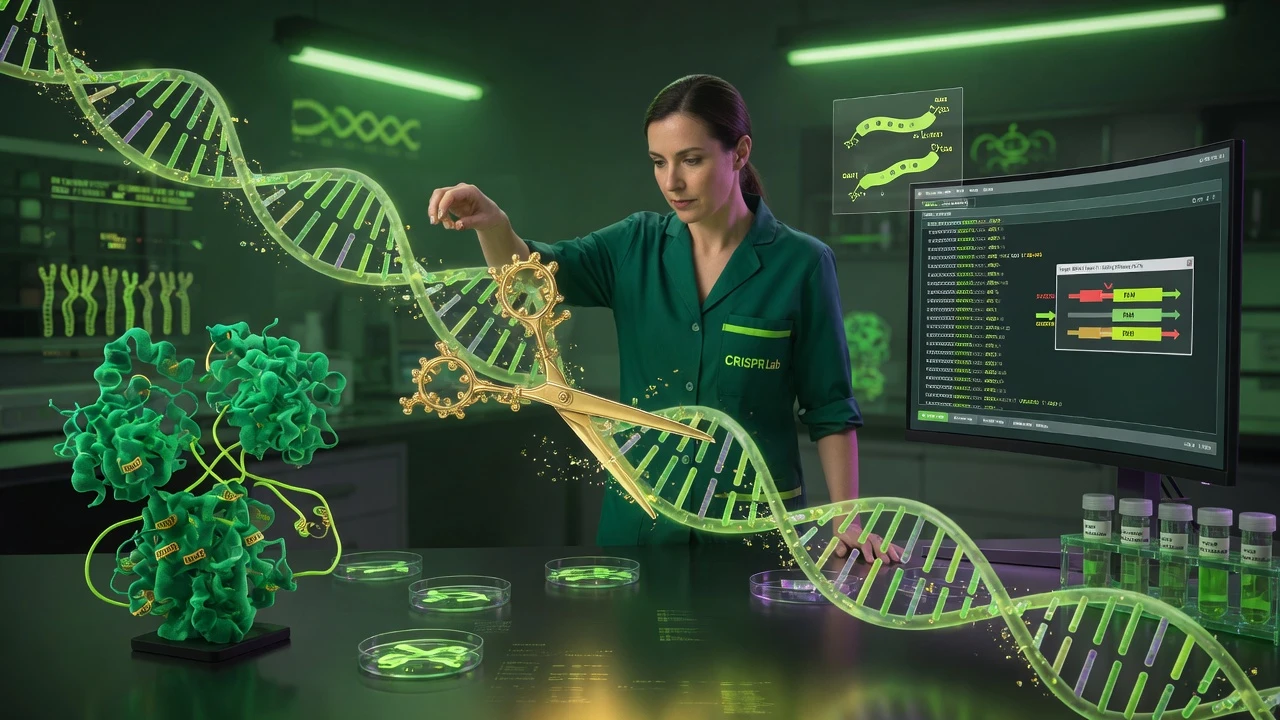
CRISPR gene editing
$1.77T Market 13.6% CAGR 2,154 Gene Therapies CRISPR Casgevy AI Drug Discovery mRNA Vaccines Synthetic Biology 3D Bioprinting Cell Therapy Base Editing Prime Editing Regenerative Medicine $1.77T Market 13.6% CAGR 2,154 Gene Therapies CRISPR Casgevy AI Drug Discovery mRNA Vaccines Synthetic Biology 3D Bioprinting Cell Therapy Base Editing Prime Editing Regenerative Medicine $1.77T Market 13.6% CAGR 2,154 Gene Therapies CRISPR Casgevy AI Drug Discovery mRNA Vaccines Synthetic Biology 3D Bioprinting Cell Therapy Base Editing Prime Editing Regenerative Medicine
Market Overview

The $1.77 Trillion Biotech Market

Gene therapy breakthroughs, AI-powered drug discovery, and biosimilar adoption driving 13.6% CAGR.

Biotechnology Market Overview & Growth Forecast
Market Overview

Biotechnology Market Overview & Growth Forecast

A $1.77 trillion industry growing at 13.6% CAGR — driven by gene therapy breakthroughs, AI-powered drug discovery, and biosimilar adoption.
AI-Powered Drug Discovery: 200+ clinical-stage AI drug candidates; first FDA approval expected 2027–2028. Market growing from $5.5B to $28B by 2032.
Cell & Gene Therapy Pipeline: 2,154 gene therapies in development; market valued at $26.35B in 2025, projected $146.31B by 2035 at 18.7% CAGR.
Patent Cliff Pressure: Looming loss of exclusivity driving $370B in domestic manufacturing pledges and aggressive M&A activity.
Biosimilar Expansion: Global biosimilar market reached $34–41B in 2025, growing at 17–18% CAGR through 2030.
Growth Catalysts
Key Drivers

Growth Catalysts

Four key drivers accelerating biotech growth through 2035.

AI-Powered Drug Discovery
Cell & Gene Therapy Pipeline
Patent Cliff Pressure
Biosimilar Expansion
Gene Editing

CRISPR & Gene Editing

From FDA-approved Casgevy to base editing and prime editing — the frontier of genome engineering.
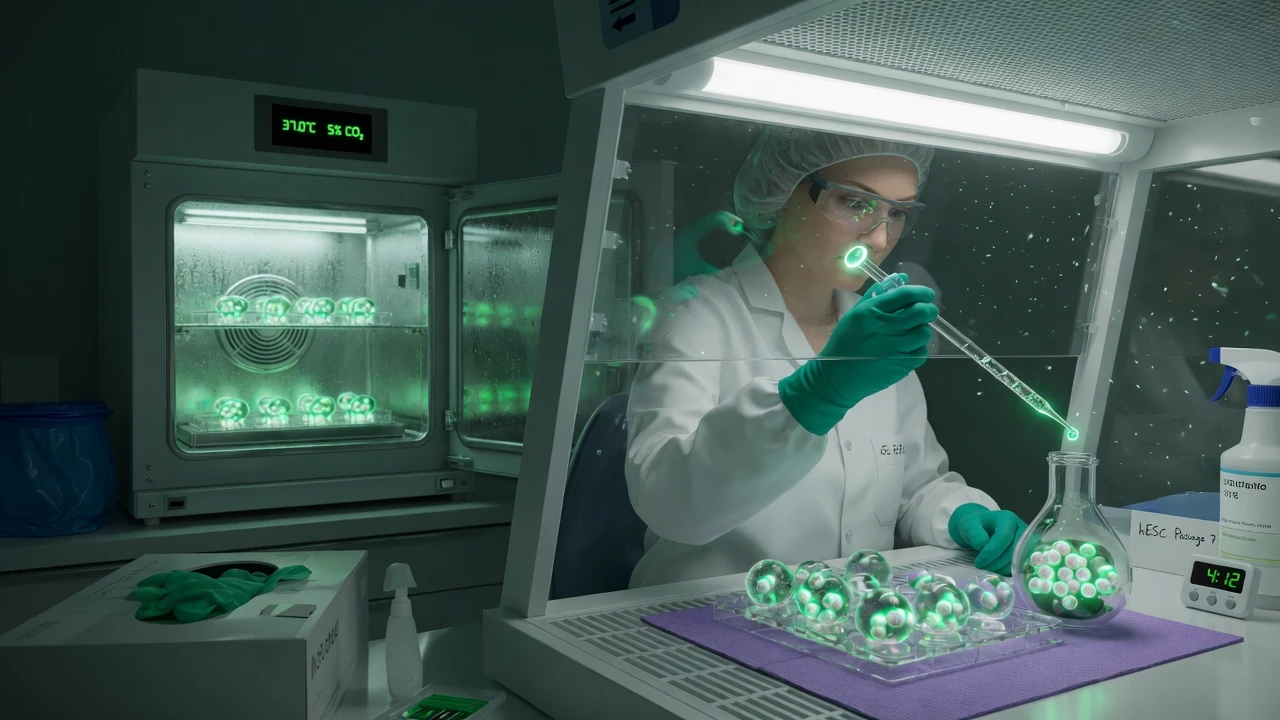
CRISPR-Cas9

CRISPR-Cas9

FDA Approved

Casgevy treats sickle cell disease by editing BCL11A to restore fetal hemoglobin. First commercial CRISPR therapy.

1,000+ patients
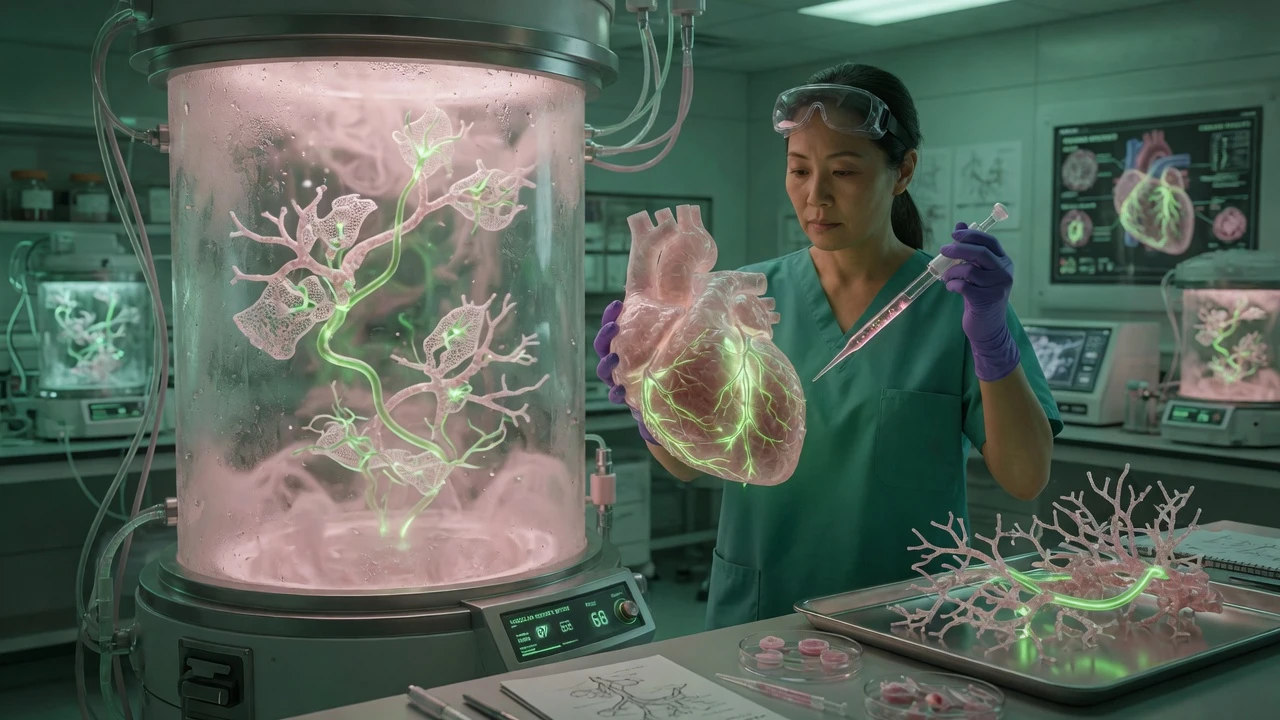
Base Editing

Base Editing

Clinical Trials

Chemically converts one DNA base into another without double-strand breaks. Used in the first base-edited baby case (KJ Muldoon, 2025).

50+ patients
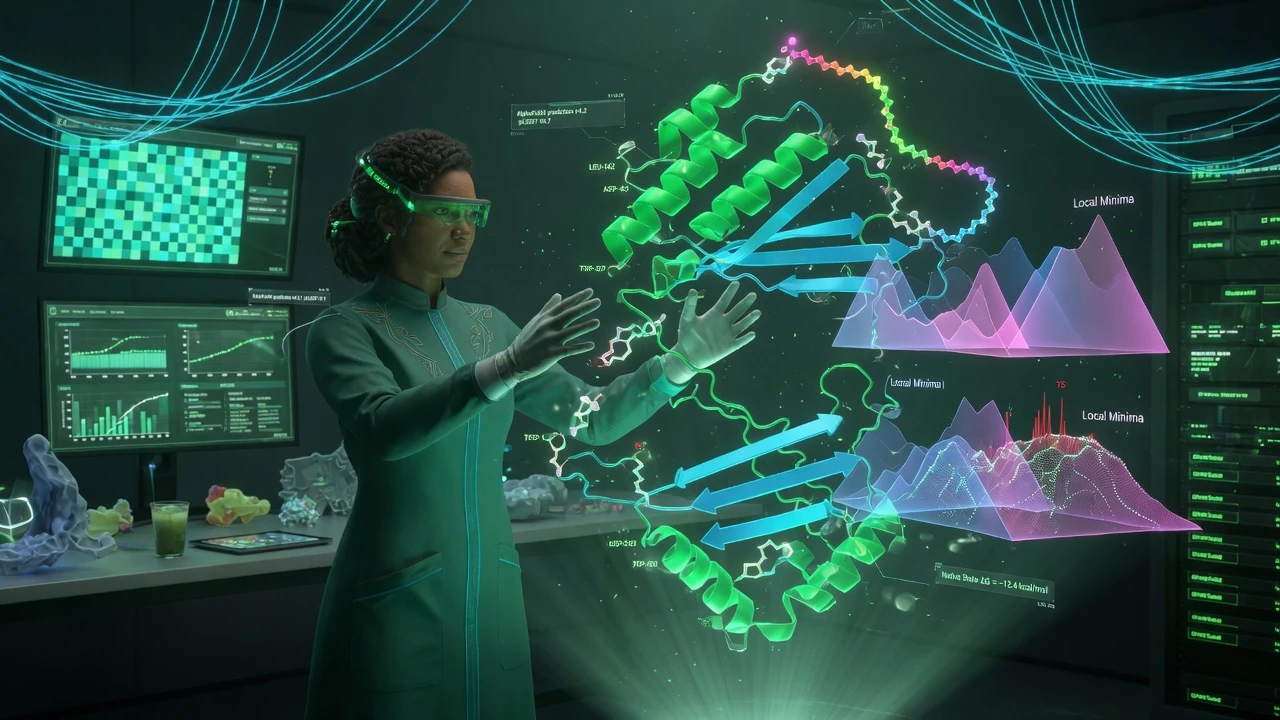
Prime Editing

Prime Editing

Preclinical

Search-and-replace genome editing with minimal off-target effects. Enables all 12 base-to-base conversions.

0 patients
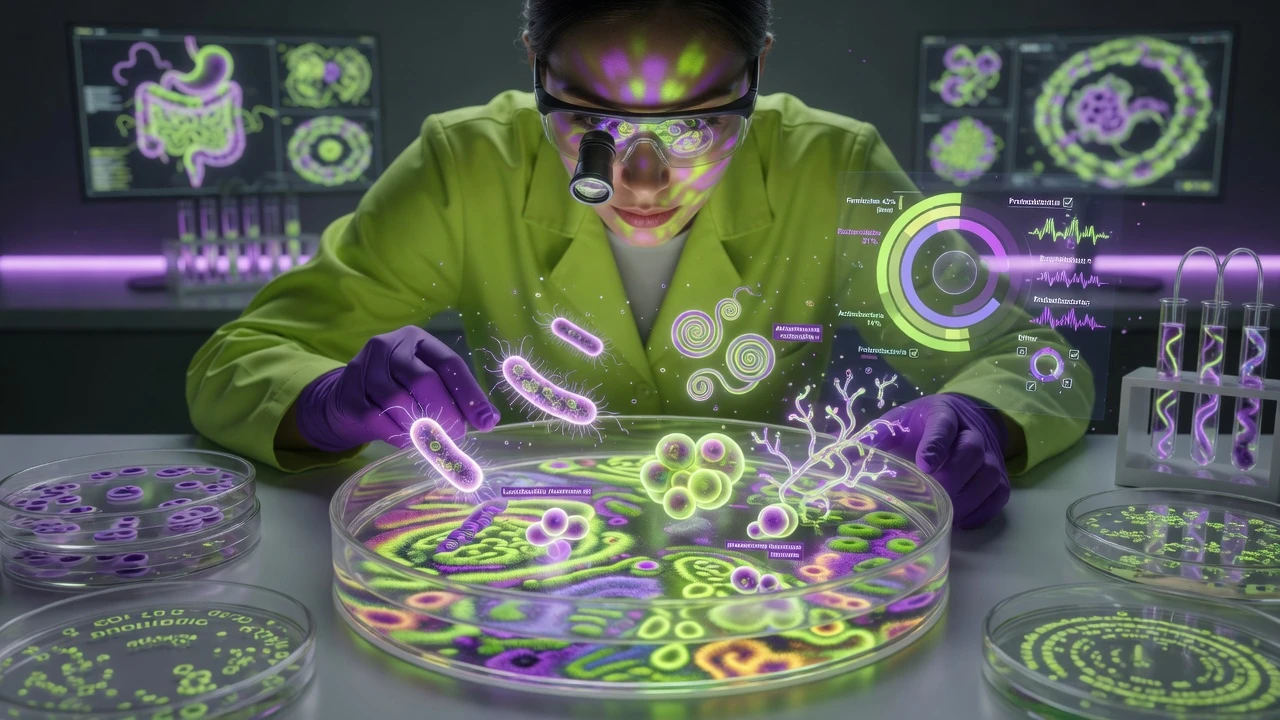
Epigenome Editing

Epigenome Editing

Research

Modifies gene expression without altering DNA sequence. Reversible and tunable — potential for chronic disease treatment.

0 patients
AI Revolution

AI-Powered Drug Discovery

200+ clinical-stage AI drug candidates — the $28 billion revolution transforming pharmaceuticals.

Phase I
94
Safety & dosing
Phase II
56
Efficacy testing
Phase III
15
Large-scale trials
Key Players

Leading Biotech Companies

The companies defining the next decade of biotechnology.

Vertex Pharmaceuticals

Vertex Pharmaceuticals

CRISPR (Casgevy), CF, sickle cell

First CRISPR therapy on market

Commercial
Insilico Medicine

Insilico Medicine

AI drug discovery, TNIK inhibitor

First AI drug Phase IIa proof-of-concept

Phase IIb
Isomorphic Labs

Isomorphic Labs

AlphaFold 3, AI oncology drugs

$600M raised, $3B pharma partnerships

Phase I
Moderna

Moderna

mRNA vaccines, cancer therapeutics

Personalized cancer vaccine Phase II

Commercial
CRISPR Therapeutics

CRISPR Therapeutics

Gene editing, CAR-T, regenerative

Casgevy approval, diabetes program

Commercial
Recursion Pharma

Recursion Pharma

AI phenomic screening

REC-994 setback, pipeline restructuring

Phase II
2026 → 2030

The Biotech Future

Five predictions for the future of biotechnology.

2026
2026
CRISPR diagnostics enter point-of-care testing
First in-vivo CRISPR therapy files for FDA review. Expanded access programs for sickle cell therapies.
2027
2027
First AI-discovered drug receives FDA approval (60% probability)
Personalized mRNA cancer vaccine Phase III results. Multiple AI-drug candidates advance from Phase I to Phase II.
2028
2028
Cell & gene therapy market crosses $50B
Base editing therapies enter pivotal trials for metabolic disorders. First off-the-shelf CAR-T therapy approved.
2029
2029
Bioprinted tissue patches for cardiac repair enter clinical trials
Biosimilars capture 30% of biologics market. Lab-grown meat reaches price parity in select categories.
2030
2030
Biotech market reaches $3.95T
70–80 novel active substances launching annually. AI drug discovery market hits $28B. 3D bioprinted organs enter preclinical testing.
FAQ

Frequently Asked Questions

Structured answers to the most common biotech questions — optimized for AI search citation.

What is CRISPR gene editing?
CRISPR-Cas9 is a precision gene-editing tool that uses a guide RNA to direct the Cas9 enzyme to a specific DNA sequence, where it creates a double-strand break. The cell's natural repair mechanisms then enable targeted modifications — corrections, insertions, or deletions. The first FDA-approved CRISPR therapy, Casgevy, treats sickle cell disease by editing BCL11A to restore fetal hemoglobin production.
How is AI used in drug discovery?
AI accelerates drug discovery by predicting protein structures (AlphaFold 3), designing novel molecules from scratch (Chai-2 antibodies), identifying drug targets from genomic data, and optimizing clinical trial design. Over 200 AI-discovered drug candidates are in clinical trials as of 2026, with the first FDA approval expected by 2027–2028. The AI drug discovery market is projected to reach $28 billion by 2032.
What is the difference between gene therapy and cell therapy?
Gene therapy introduces, removes, or modifies genetic material to treat disease — often using viral vectors (AAV) to deliver therapeutic genes. Cell therapy transfers living cells into a patient to treat disease — such as CAR-T cells engineered to target cancer. Genetically modified cell therapies (like CAR-T) combine both approaches. As of Q1 2025, 2,154 gene therapies and 966 non-genetically modified cell therapies are in development.
How big is the biotechnology market?
The global biotechnology market was valued at approximately $1.77 trillion in 2025 and is projected to grow at a CAGR of 13.6% through 2035, reaching $3.95 trillion by 2030. The US market is $316.41B, Europe $386.6B, and Asia Pacific $293.9B. The cell and gene therapy segment alone is projected to grow from $26.35B in 2025 to $146.31B by 2035.
What is synthetic biology?
Synthetic biology applies engineering principles to biology — designing and constructing new biological parts, devices, and systems. It includes programmable cells, bio-based materials, and AI-generated biological sequences. Tools like Evo 2 can generate viable synthetic viral genomes, while Chai-2 designs antibodies from scratch with 16% success rate — 100× better than traditional computational methods.
When will lab-grown organs be available?
3D bioprinted tissues are already used for drug toxicity screening and disease modeling. Bioprinted tissue patches for cardiac repair are expected to enter clinical trials by 2029. Full lab-grown organs for transplantation remain further out, but decellularized organ scaffolds recellularized with patient cells are in early clinical testing. The tissue engineering market is projected to grow from $51.21B to $144.28B by 2030.
What is AlphaFold 3 and why is it important?
AlphaFold 3, developed by Google DeepMind and Isomorphic Labs, predicts the 3D structures of proteins, DNA, RNA, and small molecules — and crucially, how they interact. This goes beyond AlphaFold 2's protein-only predictions. AlphaFold 3 enables researchers to model drug-target interactions computationally, potentially saving years of lab work. Isomorphic Labs raised $600M and has $3B in pharma partnerships to develop AI-discovered drugs using AlphaFold 3.
What is Casgevy and how does it work?
Casgevy is the world's first FDA-approved CRISPR-Cas9 therapy, developed by Vertex Pharmaceuticals and CRISPR Therapeutics. It treats sickle cell disease and beta-thalassemia by editing the BCL11A gene in patient stem cells to reactivate fetal hemoglobin production. The treatment involves collecting stem cells, editing them ex vivo, and reinfusing after myeloablative conditioning. It costs ~$2.2M per patient. As of 2026, over 100 patients have been treated with encouraging outcomes.
Biotech character

Engineer the Future

Get the latest CRISPR breakthroughs, AI drug discovery updates, and biotech insights delivered weekly.

Explore Biotech Articles →
🧬 CRISPR updates 💊 AI drug discovery 🧪 Gene therapy