Autonomous vehicle
Live · Updated 2026

Autonomous Vehicles

Robotaxis, Tesla FSD, end-to-end AI & the future of transportation

From Waymo robotaxi expansion and Tesla FSD to autonomous trucking and end-to-end neural networks — explore the technology reshaping how we move.

5M+ Waymo rider-only trips Q4 2025
$400B AV market by 2035
25M+ Tesla FSD miles (est.)
L4 Level 4 autonomy deployed
Self-driving sedan
5M+ Waymo Trips $400B Market Tesla FSD Robotaxi Autonomous Trucking L4 Autonomy LiDAR vs Camera Waymo One Apollo Go Tesla Cybercab Aurora Trucking China AV Scale 5M+ Waymo Trips $400B Market Tesla FSD Robotaxi Autonomous Trucking L4 Autonomy LiDAR vs Camera Waymo One Apollo Go Tesla Cybercab Aurora Trucking China AV Scale 5M+ Waymo Trips $400B Market Tesla FSD Robotaxi Autonomous Trucking L4 Autonomy LiDAR vs Camera Waymo One Apollo Go Tesla Cybercab Aurora Trucking China AV Scale
Market Overview

The $400 Billion AV Market

Robotaxis, autonomous trucking, and ADAS — the technologies reshaping transportation.
Autonomous Vehicle Market Overview & Growth Forecast
Market Overview

Autonomous Vehicle Market Overview & Growth Forecast

The robotaxi market is projected to grow from $1.2B to $45B by 2035. Waymo leads commercial deployment with 200K+ paid rides per week. Tesla pursues a fundamentally different camera-only approach.
Waymo Commercial Expansion: 200K+ paid robotaxi rides per week across 5+ US cities. Expanding to Austin, Atlanta, Miami, and Tokyo. Fully driverless operations scaling rapidly.
Tesla FSD & Robotaxi: End-to-end neural network approach. 25M+ FSD miles accumulated. Tesla Cybercab unveiled — dedicated robotaxi vehicle targeting $30K price point.
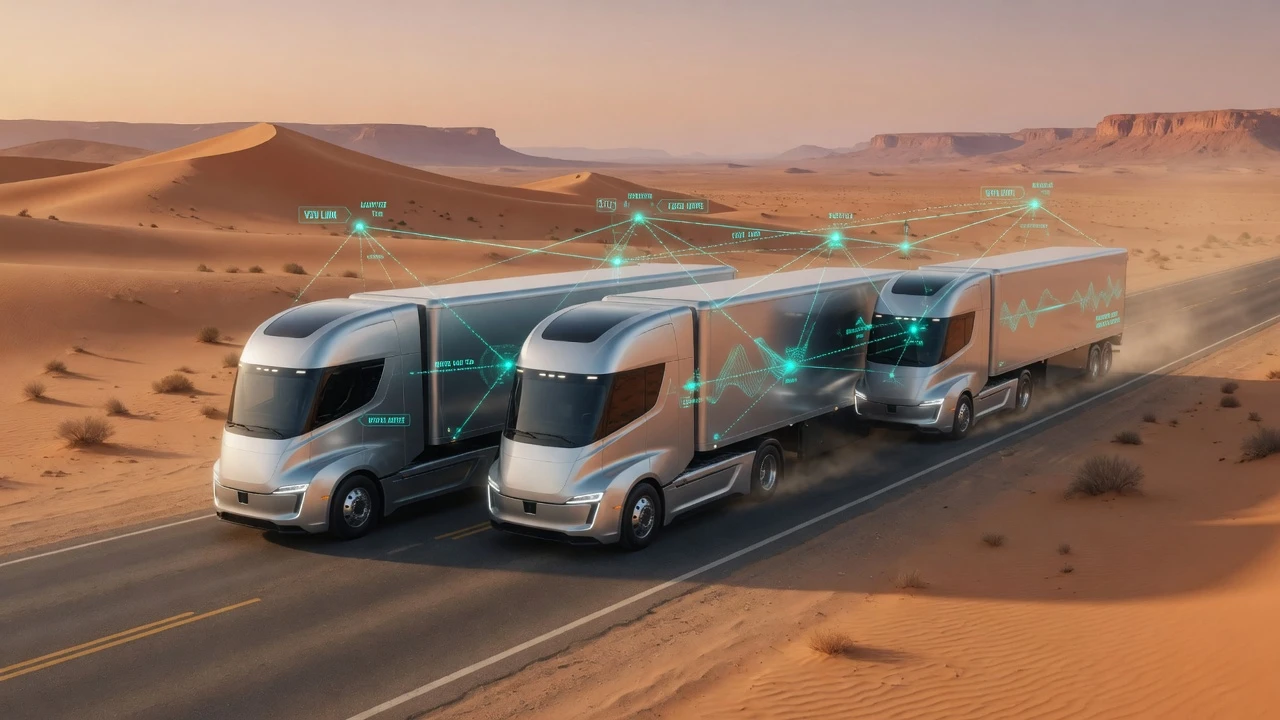
Autonomous Trucking Maturity: Aurora, Kodiak, and Kodiak launching driverless freight corridors. Hub-to-hub autonomous trucking reducing cost per mile by 40%.
China AV Acceleration: Wuhan became world's largest robotaxi test bed with 4.78M L4 trips in 2024. Baidu Apollo Go, Pony.ai, and WeRide expanding across 20+ Chinese cities.
AV Key Players: Who's Winning the Race
Key Players

AV Key Players: Who's Winning the Race

Two competing philosophies: Waymo's sensor fusion with LiDAR vs Tesla's camera-only end-to-end AI. Plus autonomous trucking, Chinese robotaxis, and legacy automakers.

Waymo (Alphabet): 200K+/week rides
Tesla: N/A (consumer) rides
Baidu Apollo Go: 1M+ (Q4 2025) rides
Aurora Innovation: Driverless freight rides
Technology Debate

LiDAR vs Cameras

The perception debate shaping billions in investment and determining who reaches full autonomy first.
Sensor Fusion (LiDAR + Camera + Radar)
Approach

Sensor Fusion (LiDAR + Camera + Radar)

Companies: Waymo, Baidu, Aurora, Pony.ai, Cruise

Cost: $50K–$200K per vehicle

Verdict: Proven in commercial deployment. Waymo's safety record supports this approach.
Camera-Only (Pure Vision)
Approach

Camera-Only (Pure Vision)

Companies: Tesla

Cost: $300–$500 per vehicle

Verdict: Unproven at L4. Tesla's 25M+ miles of data provide training advantage, but unsupervised autonomy not yet demonstrated.
Camera-First + LiDAR Upgrade
Approach

Camera-First + LiDAR Upgrade

Companies: Mobileye, Mercedes (Drive Pilot)

Cost: $5K–$20K per vehicle

Verdict: Mercedes Drive Pilot is first L3 system approved in US and Germany. Mobileye scaling SuperVision globally.

Commercial Race

Robotaxi Networks

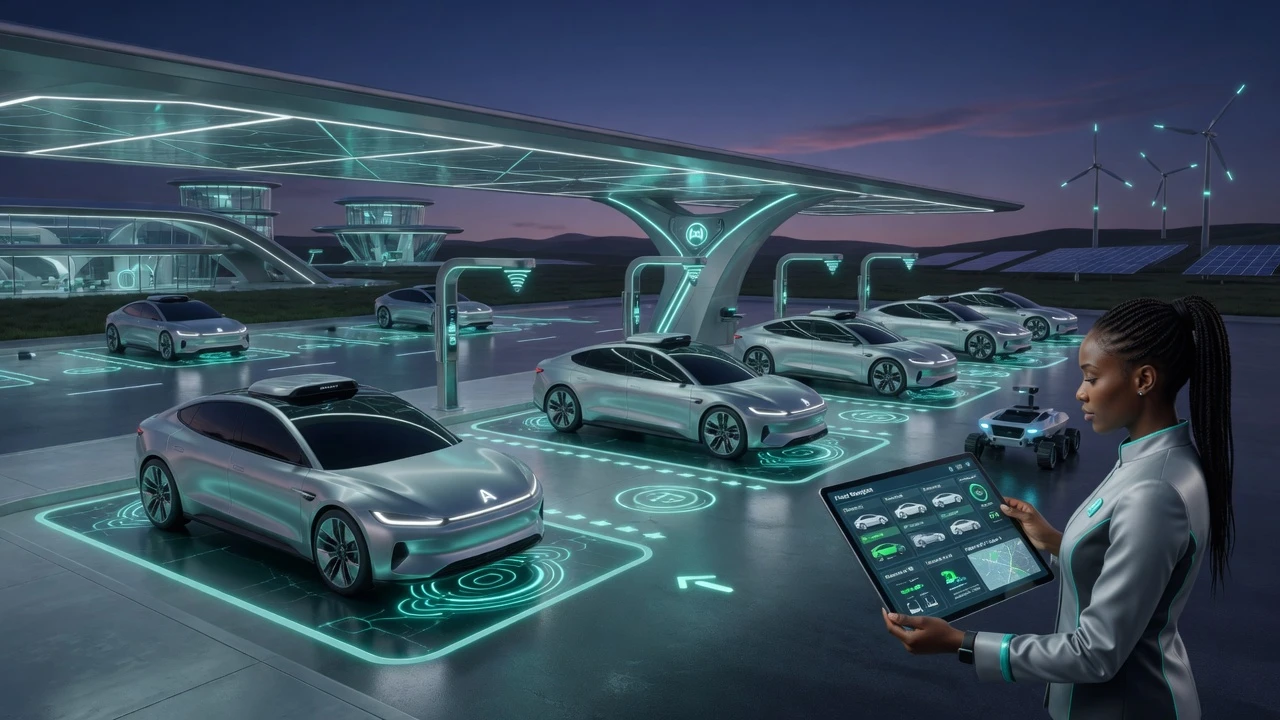
Waymo leads with 200K+ paid rides per week. China's Baidu and Pony.ai are scaling rapidly.

Waymo One
Network

Waymo One

Cities: Phoenix, SF, LA, Austin, Atlanta, Miami

Rides: 200K+/week

Status: Commercial
Apollo Go
Network

Apollo Go

Cities: Wuhan, Beijing, Shanghai, 10+ Chinese cities

Rides: 1M+/quarter

Status: Commercial
PonyPilot
Network

PonyPilot

Cities: Beijing, Guangzhou, Shenzhen

Rides: 500K+ total

Status: Commercial
Tesla Network
Network

Tesla Network

Cities: Austin (pilot)

Rides: Not yet launched

Status: Pilot

Key Players

Leading AV Companies

The companies driving innovation in autonomous vehicles.

Waymo (Alphabet)

Waymo (Alphabet)

Sensor Fusion (LiDAR + Camera + Radar)

Commercial leader in robotaxi services. Fully driverless operations. Expanding to Tokyo in partnership with Uber. Profitable on a per-ride basis in Phoenix.

200K+/week
Tesla

Tesla

Camera-Only End-to-End Neural Net

25M+ FSD miles accumulated. End-to-end neural network replacing heuristic code. Cybercab robotaxi unveiled. Targeting unsupervised FSD in 2026.

N/A (consumer)
Baidu Apollo Go

Baidu Apollo Go

Sensor Fusion (LiDAR + Camera)

China's robotaxi leader. Wuhan operation world's largest L4 test bed. RT6 vehicle costs ~$29K — making unit economics viable for large-scale deployment.

1M+ (Q4 2025)
Aurora Innovation

Aurora Innovation

Sensor Fusion (LiDAR First)

Launched commercial driverless trucking on I-45. Partnered with FedEx, Uber Freight. Targeting Texas-wide expansion. Horizon Aurora sensor suite.

Driverless freight
Pony.ai

Pony.ai

Sensor Fusion (LiDAR + Camera)

Dual US-China presence. Robotaxi service operating in China. Received California permit for driverless testing. IPO on NASDAQ.

500K+ total
Mobileye (Intel)

Mobileye (Intel)

Camera-First + LiDAR Upgrade Path

Leading ADAS supplier — EyeQ chips in 170M+ vehicles. SuperVision system enabling hands-off highway driving. Chauffeur L4 system in development with OEM partners.

N/A (ADAS)
2026 → 2030

The Road Ahead

Five predictions for the future of autonomous vehicles.

2026
2026
Waymo expands to 10+ US cities and Tokyo
Tesla launches Austin robotaxi pilot. Aurora expands driverless trucking beyond Texas. Zoox commercial launch in San Francisco.
2027
2027
Tesla targets unsupervised FSD approval
Baidu reaches 50+ Chinese cities. First profitable robotaxi operations at city level. NHTSA federal AV framework finalized.
2028
2028
Robotaxi market crosses $5B
Autonomous trucking on 5+ interstate corridors. L3 systems standard on luxury vehicles. V2X infrastructure deployed in major cities.
2029
2029
Tesla Cybercab volume production
Waymo profitability across multiple cities. 10M+ autonomous miles per day globally. Insurance models for AVs established.
2030
2030
Robotaxi market reaches $18B
500K+ autonomous vehicles deployed. AV market crosses $95B. Consumer-owned robotaxi networks active. L4 highway driving standard on new vehicles.
FAQ

Frequently Asked Questions

Structured answers to the most common AV questions — optimized for AI search citation.

What is the difference between autonomous driving levels?
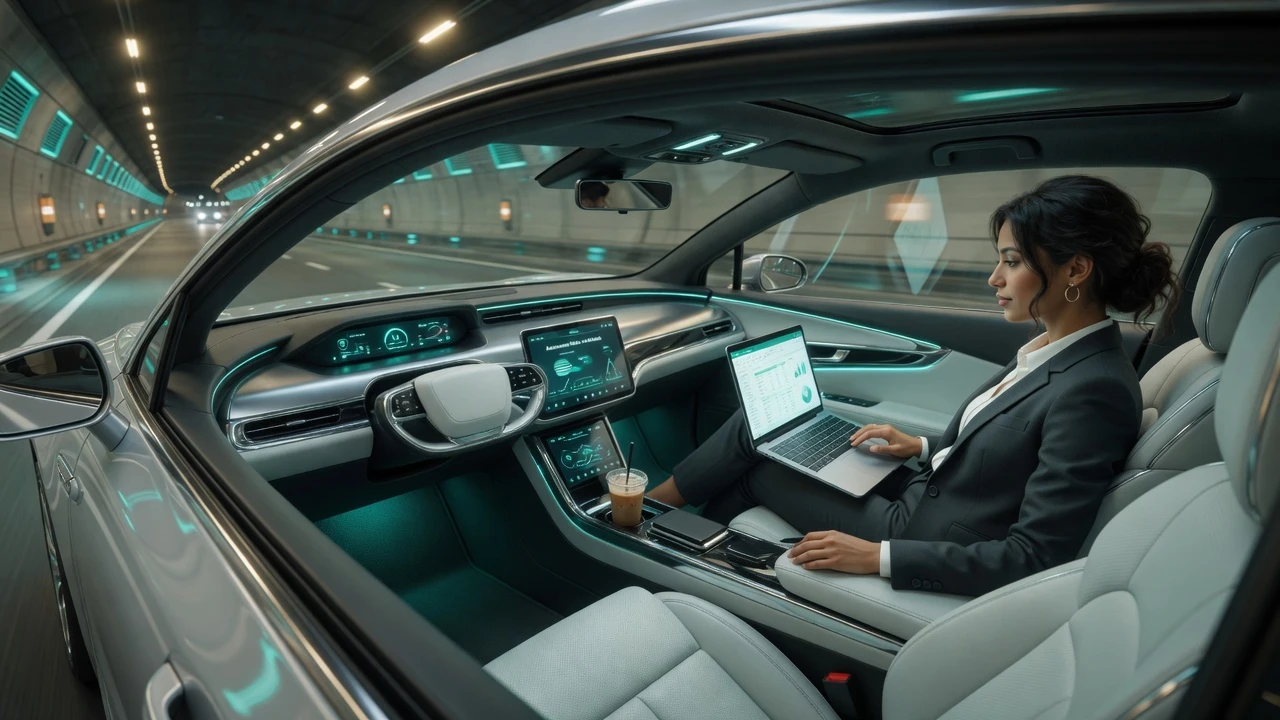
The SAE defines 6 levels of driving automation: L0 (no automation), L1 (driver assistance — cruise control), L2 (partial automation — Tesla FSD, GM Super Cruise — driver must monitor), L3 (conditional automation — Mercedes Drive Pilot — driver can disengage in specific conditions), L4 (high automation — Waymo robotaxi — no driver needed in defined areas), and L5 (full automation — anywhere, any conditions — not yet achieved). Most consumer systems are L2. Waymo operates L4 in mapped cities.
How does Tesla FSD work?
Tesla Full Self-Driving uses a camera-only approach with 8 cameras providing 360-degree vision. Since FSD v12, the system uses an end-to-end neural network that takes camera inputs and directly outputs steering and acceleration commands — replacing 300K+ lines of heuristic C++ code. The model is trained on 25M+ miles of real-world FSD driving data. Currently L2: the driver must supervise at all times. Tesla targets unsupervised FSD (L4) in 2026–2027.
How safe are autonomous vehicles?
Waymo published safety data showing 85% lower crash rate and zero injury-causing crashes in 6.4 million driverless miles compared to human-driven benchmarks. However, NHTSA has received 2,500+ AV crash reports (mostly minor, from L2 systems like Tesla). The safety benchmark is improving as systems accumulate more miles. Waymo's driverless safety record is the strongest evidence for AV safety, while Tesla's L2 system has been involved in higher-profile incidents.
When will robotaxis be available everywhere?
Waymo currently operates robotaxi services in Phoenix, San Francisco, Los Angeles, Austin, and is expanding to Atlanta, Miami, and Tokyo in 2026. Baidu operates in 10+ Chinese cities with plans for 100. Full nationwide robotaxi availability in the US is likely 5–10 years away, depending on regulatory approval, mapping expansion, and unit economics. Rural areas may take longer due to lower demand density.
How much does an autonomous vehicle cost?
Waymo's Jaguar I-PACE robotaxis cost approximately $200K–$300K including sensor suite (LiDAR, cameras, radar, compute). Baidu's RT6 costs approximately $29K — making it the first robotaxi with consumer-vehicle-level unit economics. Tesla's Cybercab targets $30K. The sensor suite is the primary cost differentiator: LiDAR-based systems cost $50K–$200K, while camera-only systems cost $300–$500. LiDAR costs are declining rapidly.
Will autonomous trucks replace drivers?
Autonomous trucking is initially targeting hub-to-hub highway routes, where drivers handle first/last-mile urban delivery. This model reduces cost per mile by 40% (from ~$3.50 to ~$2.10) and addresses the 80,000+ driver shortage. Full replacement of drivers is unlikely in the near term — the model augments rather than replaces human drivers. Aurora and Kodiak are leading commercial driverless trucking on Texas corridors.
What is Waymo and how many cities does it operate in?
Waymo is Alphabet's autonomous driving subsidiary and the leading L4 robotaxi operator. As of 2026, Waymo operates driverless ride-hailing in Phoenix, San Francisco, Los Angeles, and Austin, with expansions to Atlanta, Miami, and Tokyo underway. Waymo has completed 6.4M+ driverless miles with zero injury-causing crashes — the strongest safety record in the AV industry. The service uses Jaguar I-PACE vehicles equipped with LiDAR, cameras, and radar sensor suites.
What is the Tesla Cybercab?
The Tesla Cybercab is Tesla's purpose-built robotaxi vehicle, unveiled in October 2024. It has no steering wheel or pedals, designed for fully autonomous operation. Tesla targets volume production by 2029 at a cost of ~$30K per vehicle. The Cybercab uses Tesla's camera-only FSD architecture. Unlike Waymo's approach, Tesla plans to enable consumer-owned vehicles to operate as robotaxis through a ride-hailing app, creating a decentralized fleet.
AV character

Stay on the Autonomous Road

Get the latest robotaxi updates, FSD breakthroughs, and AV industry news delivered weekly.

Explore AV Articles →
🚗 Robotaxi updates 🤖 Tesla FSD 🚚 Trucking