
Brain-Computer Interfaces
Neuralink, neurochips, AI neural decoding & the neurotechnological era
From Neuralink human trials and AI-powered speech decoding to non-invasive EEG headsets and bidirectional closed-loop systems — explore the technology connecting brains to machines.
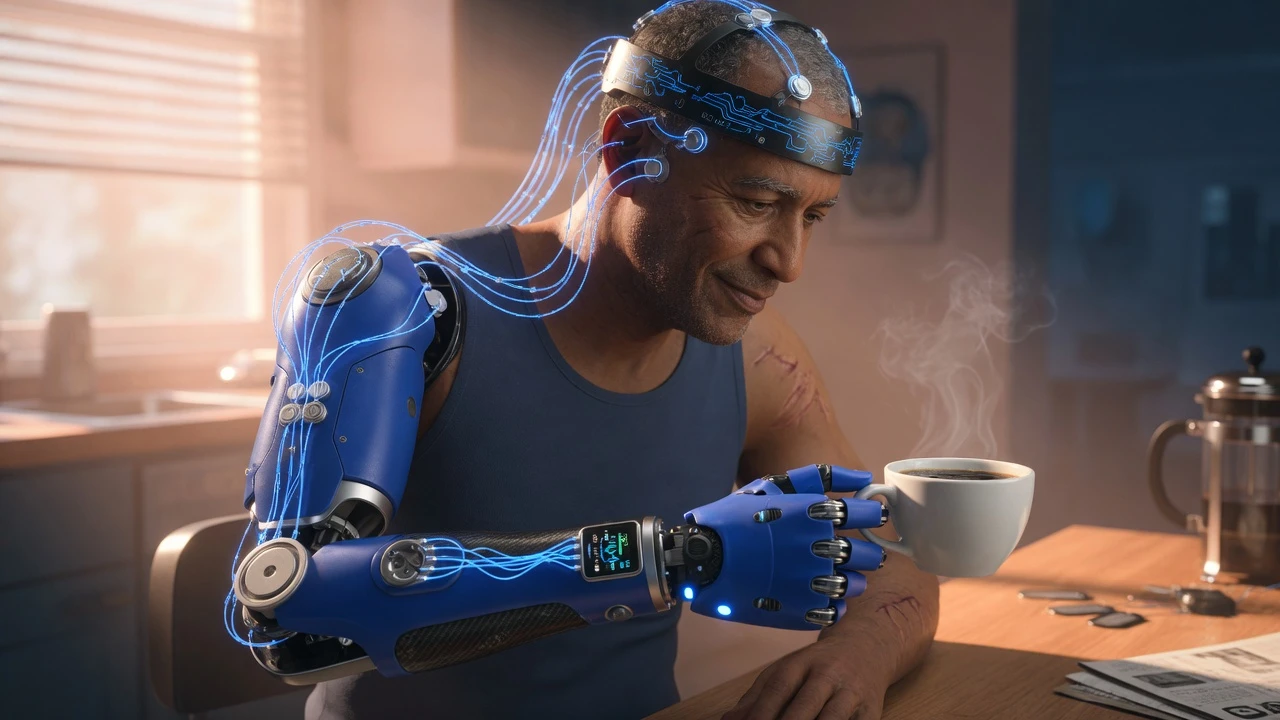
The $3.2 Billion BCI Market
Clinical invasive BCIs and consumer non-invasive neurotechnology — the two paths of brain-computer interfaces.
Brain-Computer Interface Market Overview & Growth Forecast
A $3.2 billion market in 2026, projected to reach $6–12 billion by 2030 at 15–18% CAGR — bifurcating into clinical invasive BCIs and consumer non-invasive neurotechnology.
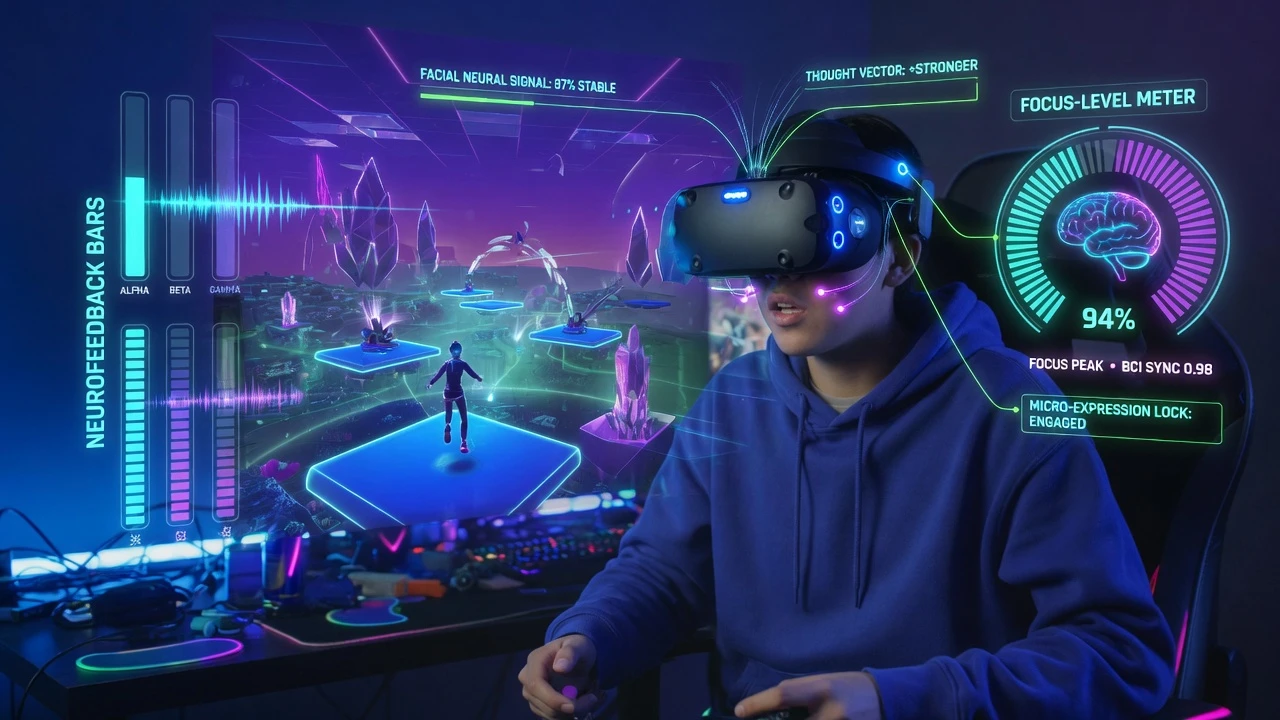
BCI Key Players & Devices: 2026 Landscape
Six companies in human trials. China approved the world's first commercial invasive BCI. The race between invasive precision and non-invasive accessibility is on.
Invasive vs Non-Invasive
The trade-offs between surgical precision and accessibility in brain-computer interfaces.
Invasive BCI
Non-Invasive BCI
AI + BCI Revolution
Transformer-based neural decoders and LLM integration transforming brain signals into fluent speech.
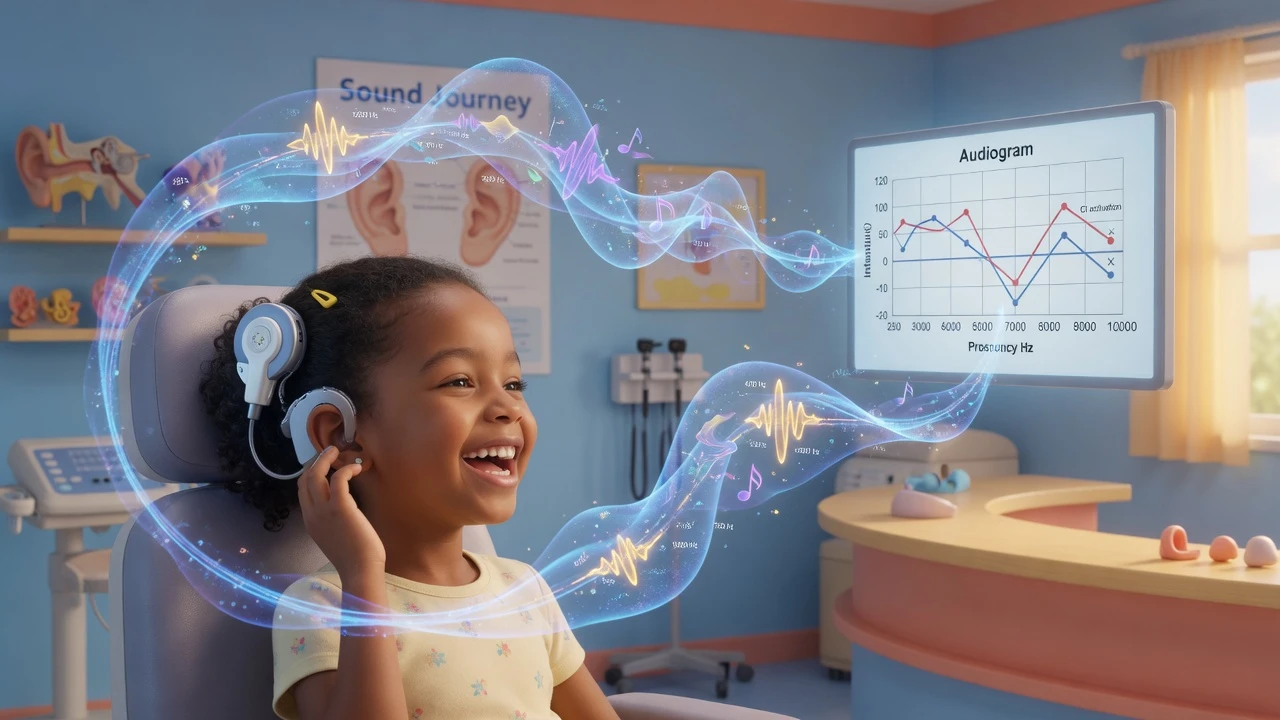
Speech Decoding at 62 WPM
Stanford/BrainGate achieved 62 words per minute — approaching natural speech rate of ~150 WPM. UCSF team decoded full sentences from a paralyzed ALS patient.
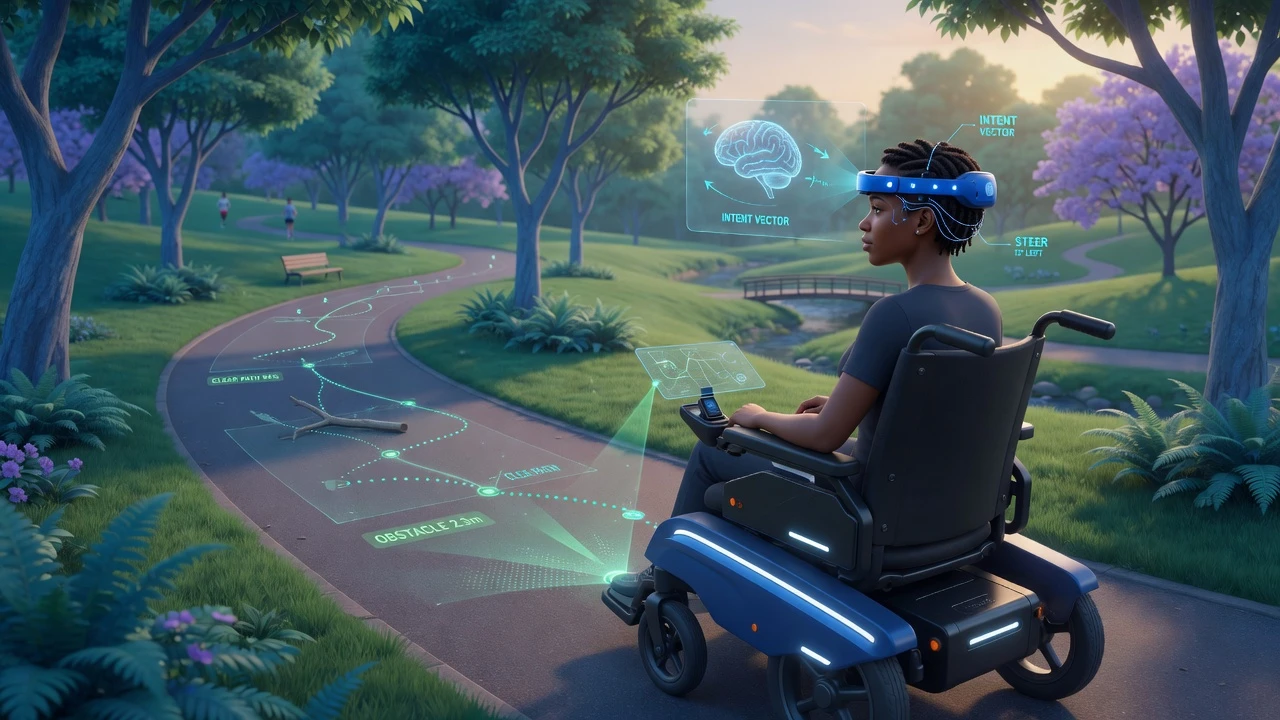
LLM Integration for Fluent Language
Large language models retrained on neural signal corpora enable BCI systems to decode intended speech with accuracy levels making real-world deployment practical.

Deep Learning Neural Decoders
Deep neural networks dramatically improved signal processing. Reduced calibration burden on end users. Real-time neural signal interpretation at low power via edge AI processors.
Handwriting Decoding
BrainGate decoded imagined handwriting at 90 characters per minute with 94% accuracy. Transformer models translating neural pen trajectories to text.
Leading BCI Devices
The devices shaping the future of brain-computer interfaces.
Neuralink N1 Implant (Telepathy)
1,024 electrode threads thinner than human hair. 21 patients implanted across 4 nations. Cursor control, working toward speech decoding.
1,024 electrodes
Neuralink Blindsight
Cortical visual prosthesis. First-in-human implant in 2026. Aims to restore vision to blind patients.
1,024 electrodes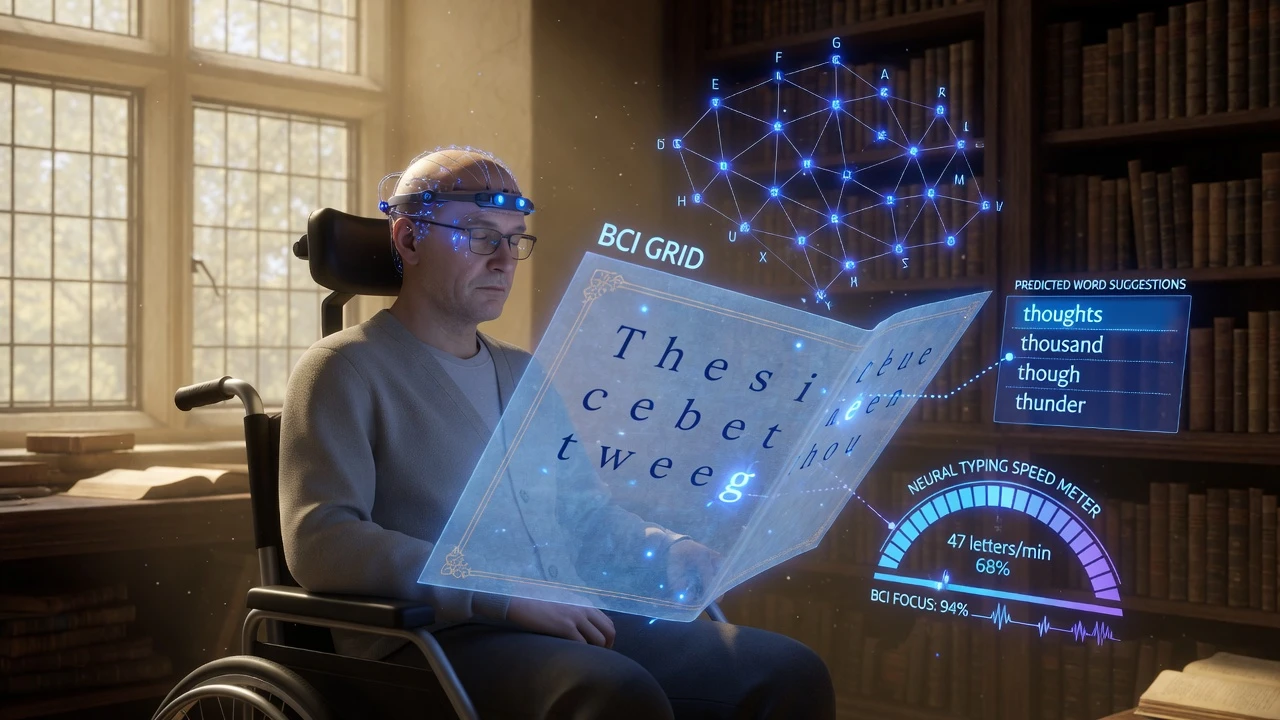
Stentrode
Inserted via blood vessels — no open brain surgery. Completed US feasibility trial, preparing pivotal study for FDA PMA by 2028.
16 electrodes Connexus Direct Data Interface
High-bandwidth speech restoration BCI. Connect-One first chronic implant opened at University of Michigan, February 2026.
1,684 electrodes
Layer 7 Cortical Interface
Sits on top of brain without penetrating tissue. FDA 510(k) clearance granted. Moving toward chronic wireless implant study.
1,024 electrodes
NEO BCI
World's first approved invasive BCI product beyond clinical trials. Approved in China for spinal cord injury paralysis. Incorporated into health insurance.
8 electrodesThe Neural Path Ahead
Five predictions for the future of brain-computer interfaces.
Frequently Asked Questions
Structured answers to the most common BCI questions — optimized for AI search citation.
What is a brain-computer interface?
How does Neuralink work?
What is the difference between invasive and non-invasive BCI?
How fast can BCI speech decoding work?
How big is the BCI market?
Are brain-computer interfaces safe?
What is Synchron's Stentrode and how is it different from Neuralink?
What are neural rights?

Connect Your Mind
Get the latest BCI breakthroughs, Neuralink updates, and neurotechnology insights delivered weekly.
Explore BCI Articles →