
Energy storage battery
Live · Updated 2026

Energy Storage

Batteries, BESS, and the grid of the future

From lithium-ion dominance to sodium-ion, iron-air, and solid-state breakthroughs — explore the technologies powering the global energy transition with grid-scale storage, long-duration solutions, and the AI-data center storage boom.
158 GW Global deployments 2026
2.9 TW Cumulative capacity by 2036
$30.86B US market by 2034
26.9% US market CAGR
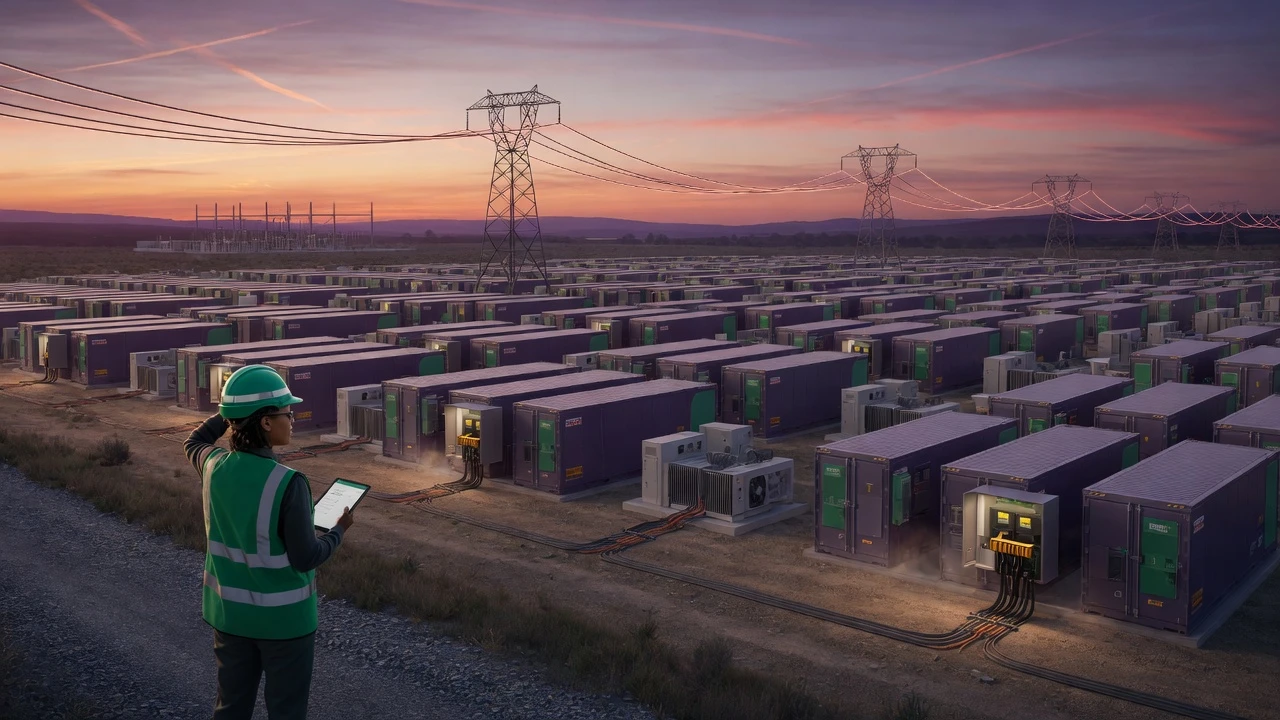
Grid-scale battery energy storage
158 GW Deployments 2.9 TW by 2036 Lithium-Ion Sodium-Ion Solid-State LDES Grid-Scale BESS AI Data Centers Iron-Air Flow Batteries VPP Battery Recycling 158 GW Deployments 2.9 TW by 2036 Lithium-Ion Sodium-Ion Solid-State LDES Grid-Scale BESS AI Data Centers Iron-Air Flow Batteries VPP Battery Recycling 158 GW Deployments 2.9 TW by 2036 Lithium-Ion Sodium-Ion Solid-State LDES Grid-Scale BESS AI Data Centers Iron-Air Flow Batteries VPP Battery Recycling
Market Overview

The 158 GW Storage Market

Energy storage is the fastest-deploying energy technology in history — growing from 10 GW to 100+ GW in just four years.

Global Energy Storage Market: Explosive Growth Trajectory
Market Overview

Global Energy Storage Market: Explosive Growth Trajectory

Energy storage has become the fastest-deploying energy technology in history. It took just four years to grow from 10 GW to 100+ GW in annual additions — faster than solar (8 years) or wind (15 years). The market is now entering a phase of large-scale infrastructure investment.
112 GW: Installed in 2025 (record year)
158 GW: Forecast for 2026
308 GW: Projected annual additions by 2036
2.9 TW: Cumulative capacity by 2036
Global Deployment
Regional Leaders

Global Deployment

Key regions driving global energy storage growth.

China: 61.1 GW
United States: 18 GW
Europe: 3.8 GW
Middle East: 2.1 GW
Sub-Saharan Africa: 4.3 GW
India: 0.5 GW
Current Technology

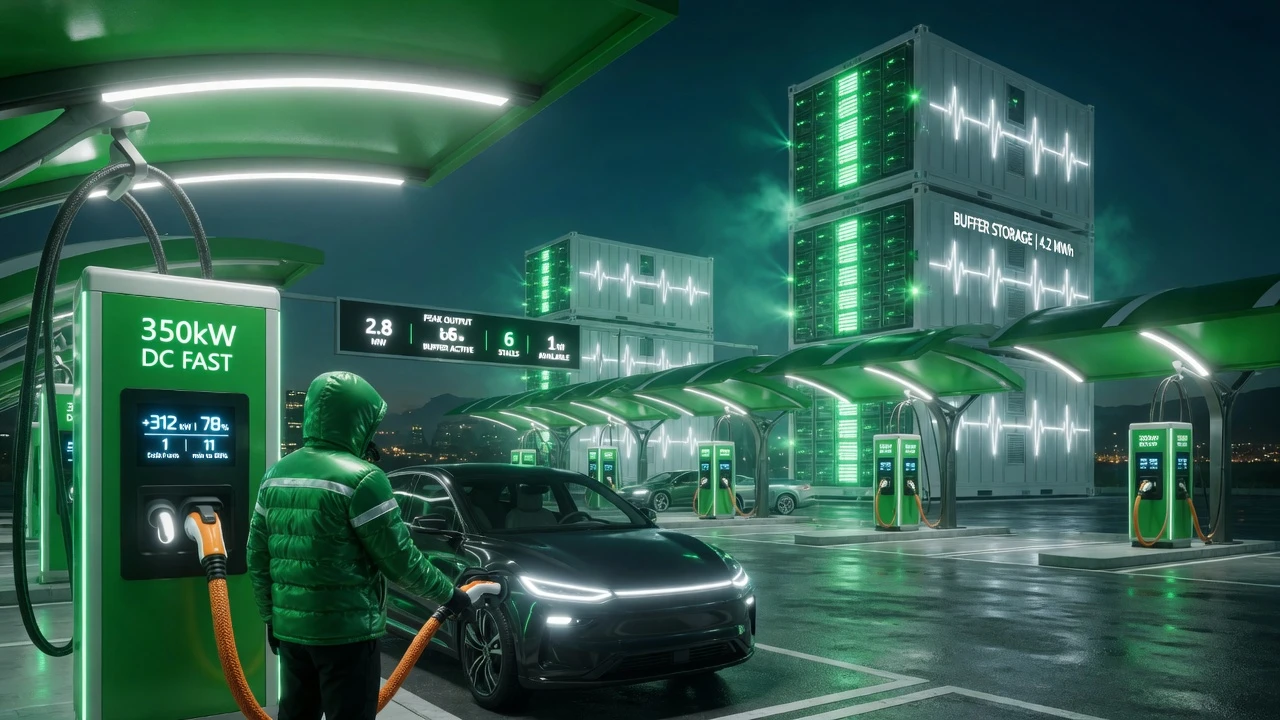
Lithium-Ion Dominance

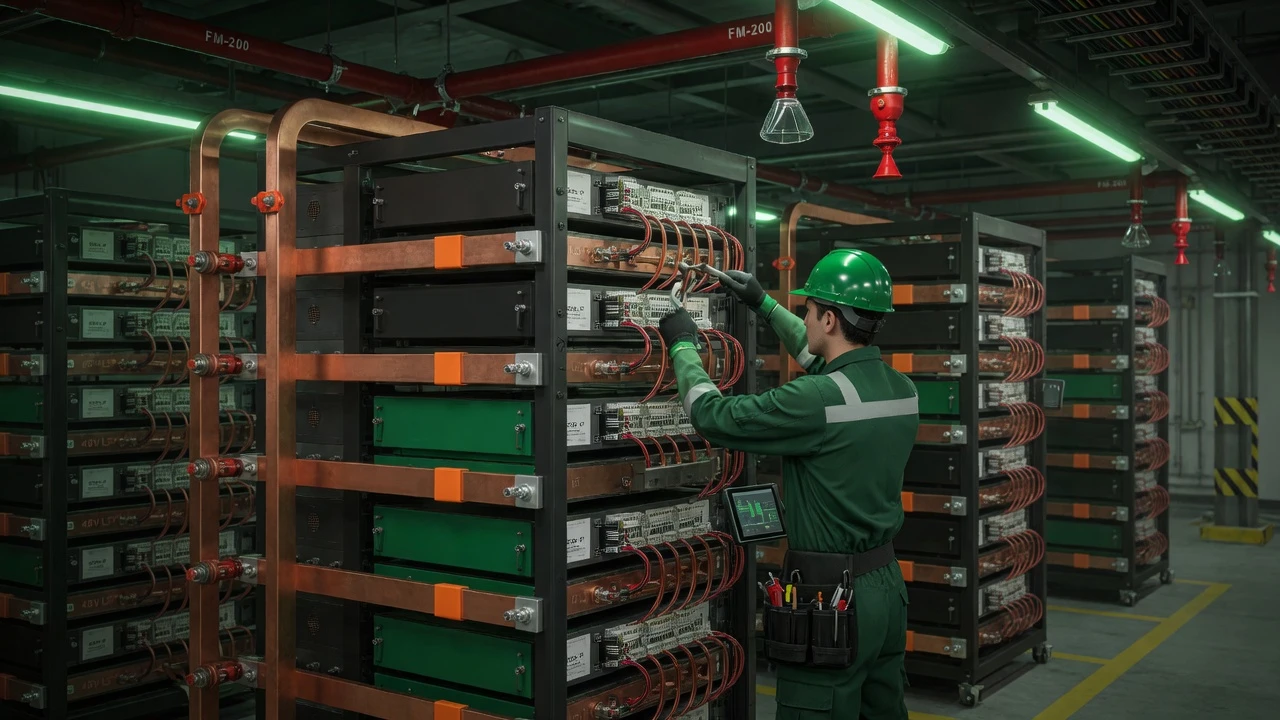
LFP has emerged as the preferred chemistry for stationary storage due to safety, cycle life, and cost advantages.
LFP (LiFePO₄)

LFP (LiFePO₄)

150-180 Wh/kg • 4,000-6,000 cycles

Safest Li-ion, no cobalt/nickel, lowest cost

Grid storage, standard-range EVs
NMC (Ni-Mn-Co)

NMC (Ni-Mn-Co)

200-280 Wh/kg • 2,000-3,000 cycles

High energy density, proven

Long-range EVs, power tools
NCA (Ni-Co-Al)

NCA (Ni-Co-Al)

250-300 Wh/kg • 1,500-2,500 cycles

Highest energy density

Tesla vehicles, aerospace
Emerging Technology

Sodium-Ion Batteries

The low-cost challenger with 70 GWh produced in 2025 — offering a drop-in alternative to lithium-ion.
Production Scaling
Key Facts

Production Scaling

70 GWh: Produced in 2025
250 GWh: Projected production by 2030
95-175: Wh/kg energy density range
5-10%: Of rechargeable battery market by 2030
Why Sodium-Ion?
Advantages

Why Sodium-Ion?

Abundant Raw Materials: Sodium is 1,000x more abundant than lithium — no supply constraints
Drop-in Manufacturing: Compatible with existing Li-ion production lines — rapid scaling
Lower Cost: Target: 30% cheaper than LFP once scale is achieved
Cold Weather Performance: Superior low-temperature operation vs. lithium-ion
Long-Duration Storage

LDES: Beyond 4 Hours

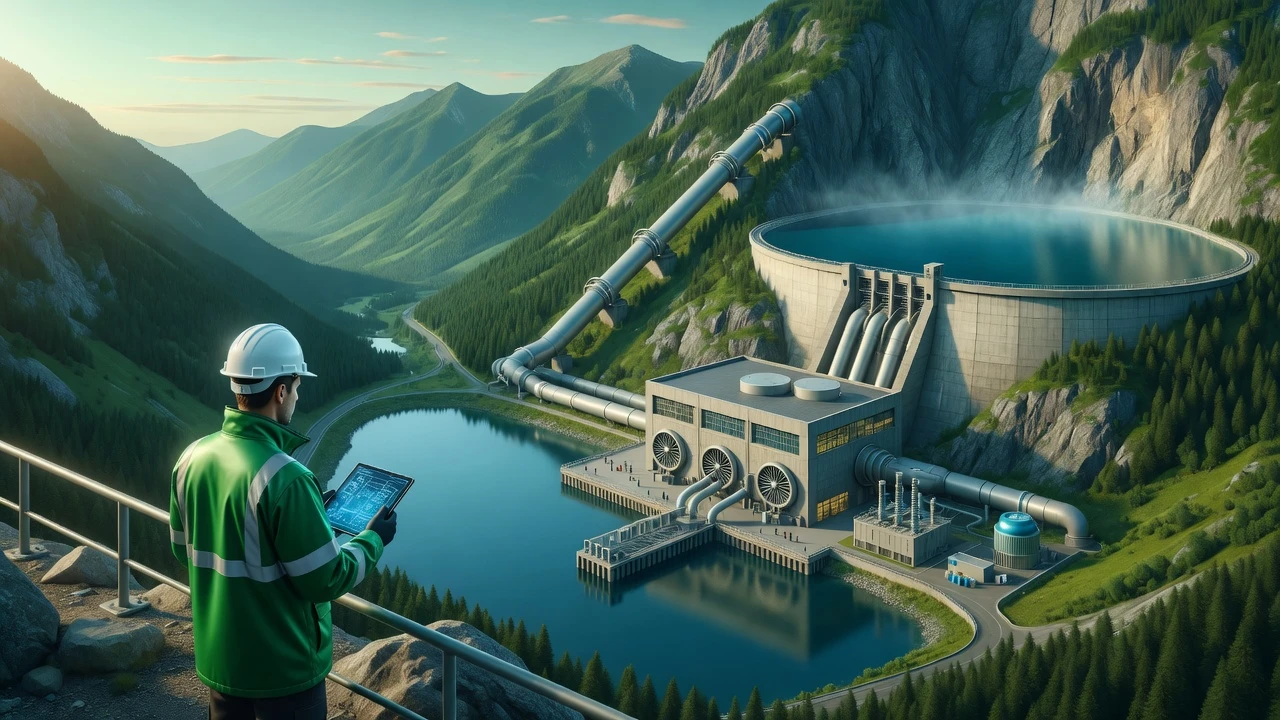
Technologies targeting 10-100+ hour discharge durations at a fraction of lithium-ion costs.
Iron-Air Batteries

Iron-Air Batteries

100 hours • ~$20/kWh (target)

Reversible rusting of iron; 1/10th the cost of Li-ion; multi-day discharge
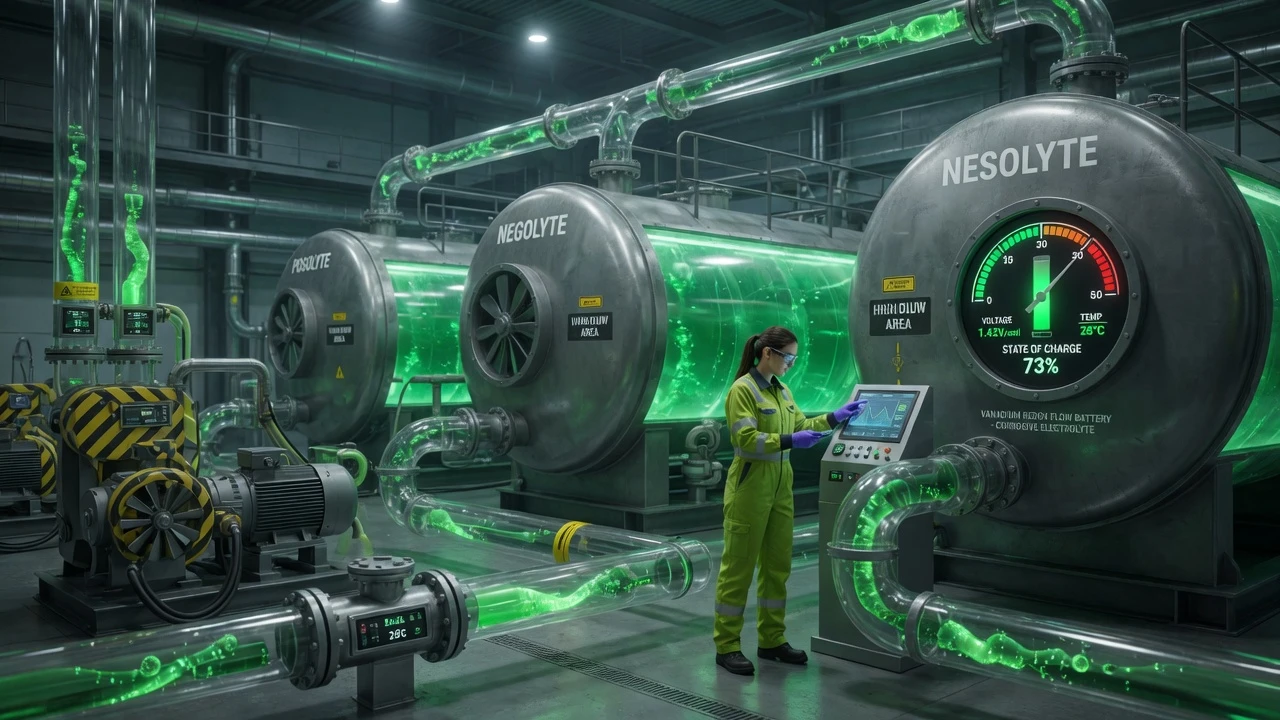
Flow Batteries (Vanadium/Zinc)

Flow Batteries (Vanadium/Zinc)

10-12 hours • $200-400/kWh

Liquid electrolyte in tanks; independent power/energy scaling; 20+ year life
Compressed Air Energy Storage (CAES)

Compressed Air Energy Storage (CAES)

24+ hours • $150-300/kWh

Compressed air in caverns or tanks; proven at scale; geographic flexibility

Thermal Energy Storage

Thermal Energy Storage

8-24 hours • $30-100/kWh (thermal)

Sensible heat, phase-change materials; power-to-heat applications

Liquid Air Energy Storage

Liquid Air Energy Storage

12+ hours • $200-350/kWh

Cryogenic liquid air; no special geography; co-located with industrial waste cold

Gravity Storage

Gravity Storage

8-16 hours • $150-250/kWh

Lifting composite blocks; mechanical simplicity; no degradation

Industry Trend

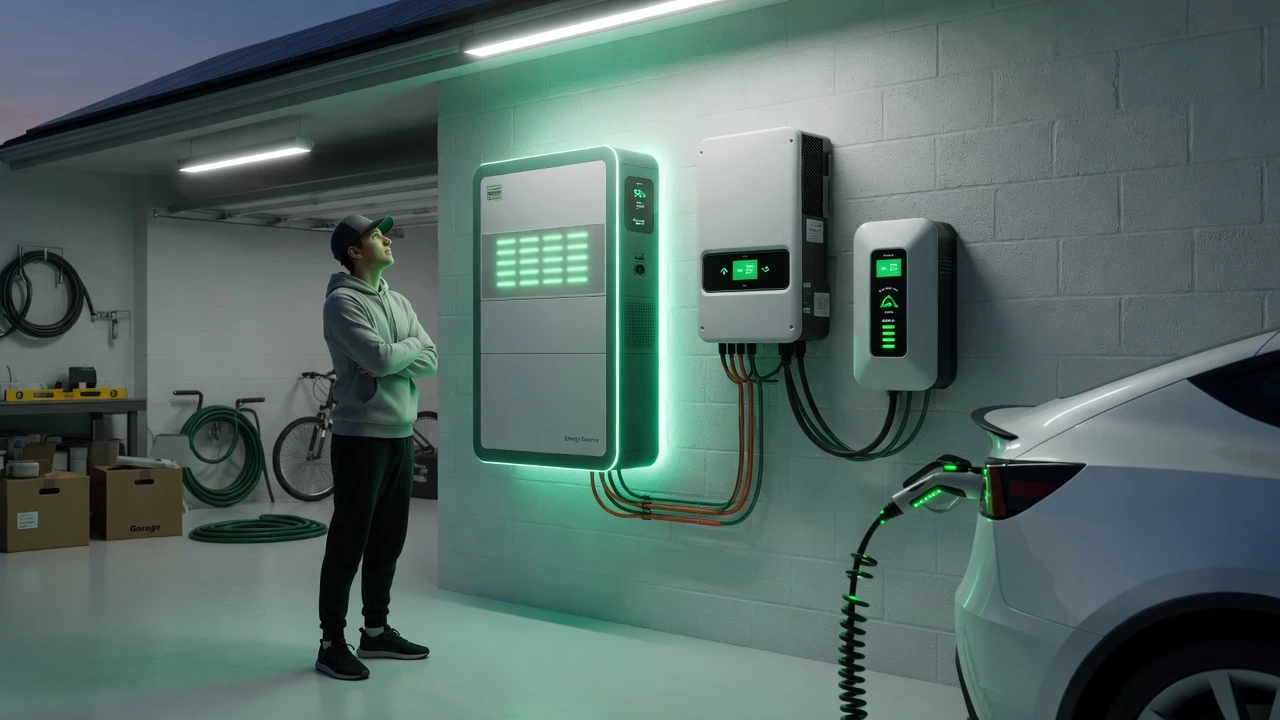
Grid-Scale BESS

Battery Energy Storage Systems are becoming mission-critical infrastructure for grid reliability.

Energy Shifting

Energy Shifting

79% of 2025 additions — moving solar/wind to peak demand periods

79%
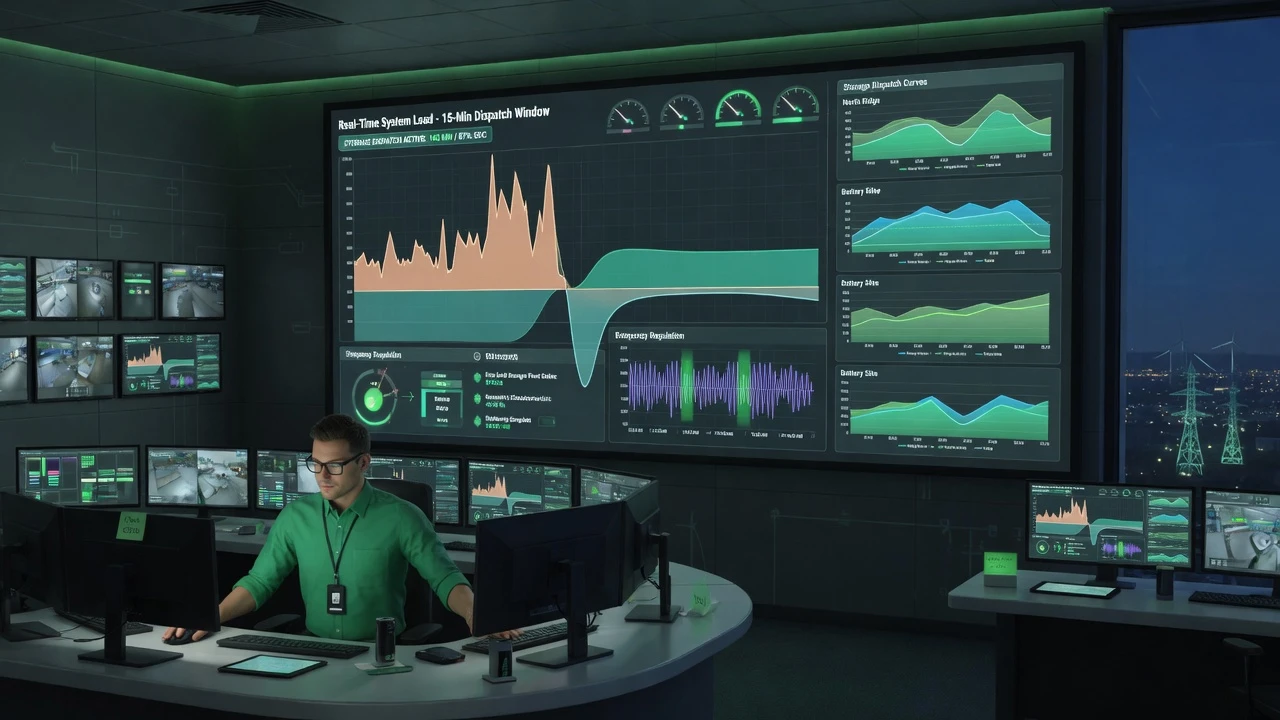
Frequency Regulation

Frequency Regulation

Fast-responding grid services for system stability

8%
Transmission Support

Transmission Support

Deferring infrastructure upgrades; congestion management

5%
Data Center Backup

Data Center Backup

Replacing diesel generators with clean storage

4%
Capacity Firming

Capacity Firming

Making renewable output reliable and dispatchable

4%
2026 → 2030

The Energy Future

Key milestones shaping the energy storage sector through 2030 and beyond.

2026
2026
158 GW global deployments forecast
Grid-forming inverter regulation in EU • Sodium-ion production scaling to 100+ GWh • LDES share grows to 13% of energy capacity
2027-2028
2027-2028
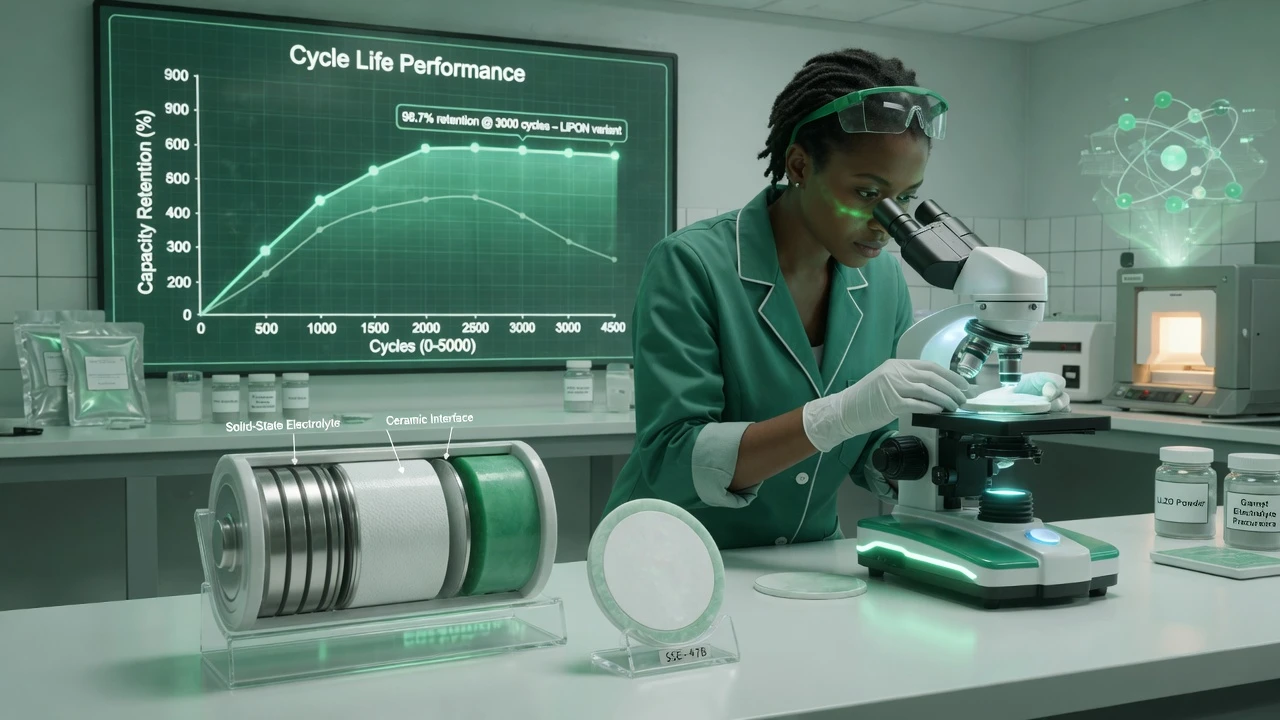
First solid-state EV batteries in production
Form Energy iron-air commercial deployments • VPP aggregations reaching GW scale
2029-2030
2029-2030
US cumulative storage reaches 93+ GW
Sodium-ion reaches cost parity with LFP • Battery recycling at industrial scale • Alternative chemistries gain 20%+ market share
2030s
2030s
Cumulative global capacity reaches 2.9 TW by 2036
LDES technologies mainstream for 10+ hour storage • Solid-state batteries in mass production • Storage enables 56%+ VRE penetration
FAQ

Frequently Asked Questions

Structured answers to the most common energy storage questions — optimized for AI search citation.

What is grid-scale battery energy storage (BESS)?
A Battery Energy Storage System (BESS) is a large-scale installation of batteries connected to the electrical grid. BESS can store excess renewable energy when production is high and discharge it during peak demand, providing grid stability, capacity firming, and energy shifting. Grid-scale BESS typically range from a few MW to hundreds of MW in capacity.
How much energy storage is being deployed globally?
In 2025, a record 112 GW (307 GWh) of energy storage was installed globally. BloombergNEF forecasts 158 GW (459 GWh) for 2026 — a 41% increase. Annual additions are projected to reach 308 GW by 2036, with cumulative capacity hitting 2.9 TW (10.5 TWh).
What is the difference between lithium-ion and sodium-ion batteries?
Lithium-ion batteries use lithium ions as the charge carrier, while sodium-ion batteries use sodium ions. Sodium is 1,000x more abundant than lithium, making SIBs potentially much cheaper. SIBs are compatible with existing Li-ion manufacturing lines (drop-in), but currently have lower energy density (95-175 Wh/kg vs. 150-280 Wh/kg for Li-ion). SIBs are best suited for stationary storage and budget EVs.
What is long-duration energy storage (LDES)?
LDES refers to energy storage systems that can discharge for 10 hours or more — compared to the 2-4 hour duration of typical lithium-ion BESS. LDES technologies include iron-air batteries, flow batteries, compressed air, thermal storage, and gravity systems. LDES is critical for bridging multi-day gaps in renewable generation.
When will solid-state batteries be commercially available?
Major automakers including Toyota, BMW, and Mercedes-Benz are targeting 2026-2028 for solid-state batteries in vehicles. QuantumScape, Solid Power, and Samsung SDI have pilot production lines operational. Mass production and cost competitiveness is most realistically expected in the 2028-2032 timeframe.
How does energy storage support AI data centers?
AI data centers require 24/7 reliable power with massive and variable loads. Energy storage supports data centers by: (1) bridging grid interconnection delays, (2) managing sudden AI workload spikes, (3) providing clean backup power replacing diesel generators, and (4) integrating with renewables for 24/7 carbon-free energy. Over 230 GW of data center projects have been announced in the US alone.
What is a virtual power plant (VPP)?
A Virtual Power Plant aggregates distributed energy resources — home batteries, EVs, solar systems, and commercial storage — into a single grid-connected asset. VPPs allow these distributed resources to participate in wholesale energy markets, provide grid services, and earn revenue for owners. VPPs are a growing trend in the energy-as-a-service model.
Are iron-air batteries viable for grid storage?
Yes. Form Energy is commercializing iron-air batteries targeting $20/kWh — 1/10th the cost of lithium-ion. The technology uses reversible rusting of iron and can discharge for 100+ hours. Form Energy has orders from Georgia Power and is building a manufacturing facility in West Virginia. Iron-air batteries are heavier and larger than Li-ion, but this is irrelevant for stationary grid storage.
What is CATL's 1TWh battery production capacity?
CATL (Contemporary Amperex Technology) is the world's largest battery manufacturer, targeting 1TWh (terawatt-hour) annual production capacity by 2028. This is enough to power ~20 million EVs per year. CATL holds 37% of the global EV battery market and is expanding with LFP and sodium-ion production lines. The company is also developing condensed matter batteries with 500 Wh/kg energy density for electric aviation.
How do virtual power plants make money?
Virtual power plants earn revenue through multiple streams: (1) wholesale energy market participation — selling stored electricity during peak prices, (2) ancillary services — frequency regulation and grid stability payments, (3) capacity markets — payments for being available to discharge, (4) demand response — payments for reducing load during grid stress. Home battery owners in VPP programs like Tesla Virtual Power Plant in California earn $1-2/KWh annually.
Energy storage character

Power the Future

Get the latest battery breakthroughs, grid-scale storage updates, and energy transition insights delivered weekly.

Explore Energy Storage Articles →
🔋 Batteries ⚡ Grid-Scale 🌱 Clean Energy