
Quantum Computing
Qubits, error correction, and the path to quantum advantage
The quantum computing market is projected to grow from $3.5B to $20.2B by 2030 at 41.8% CAGR. Explore qubit technologies, error correction breakthroughs, post-quantum cryptography, quantum AI, and the race toward practical quantum advantage.
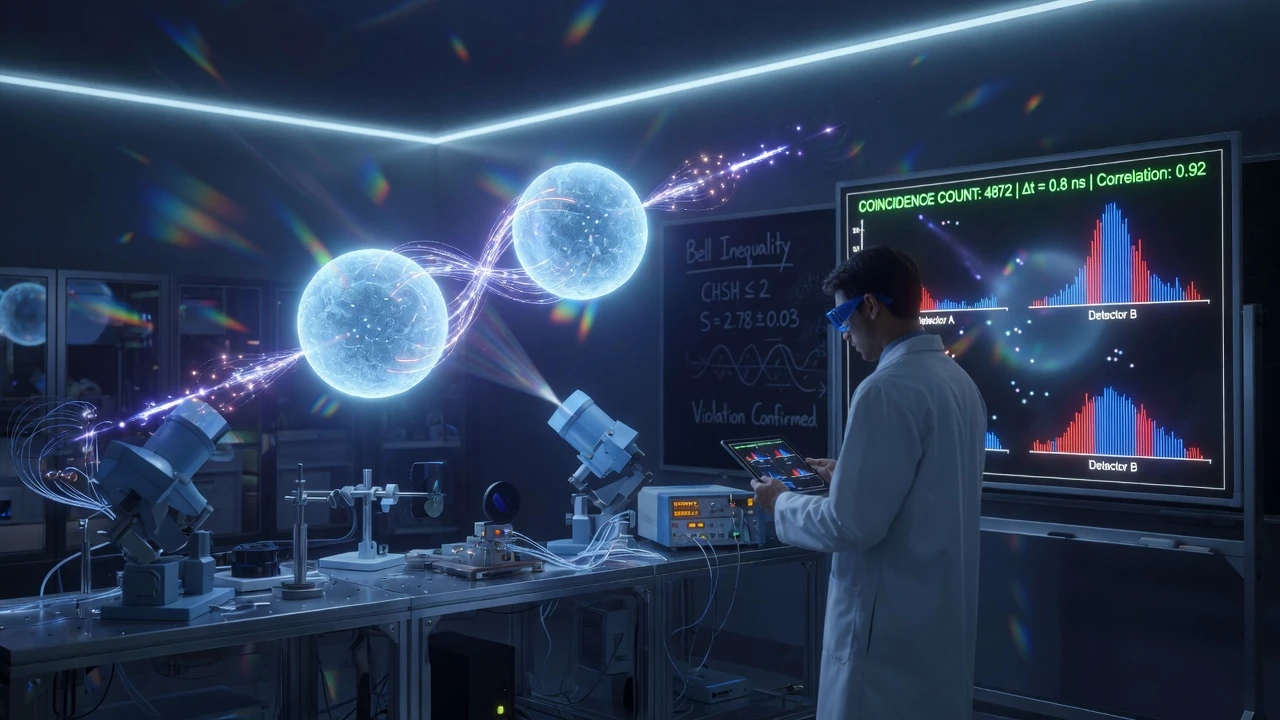
The $20 Billion Quantum Market
From error correction breakthroughs to post-quantum cryptography — the technologies and applications defining the quantum era.
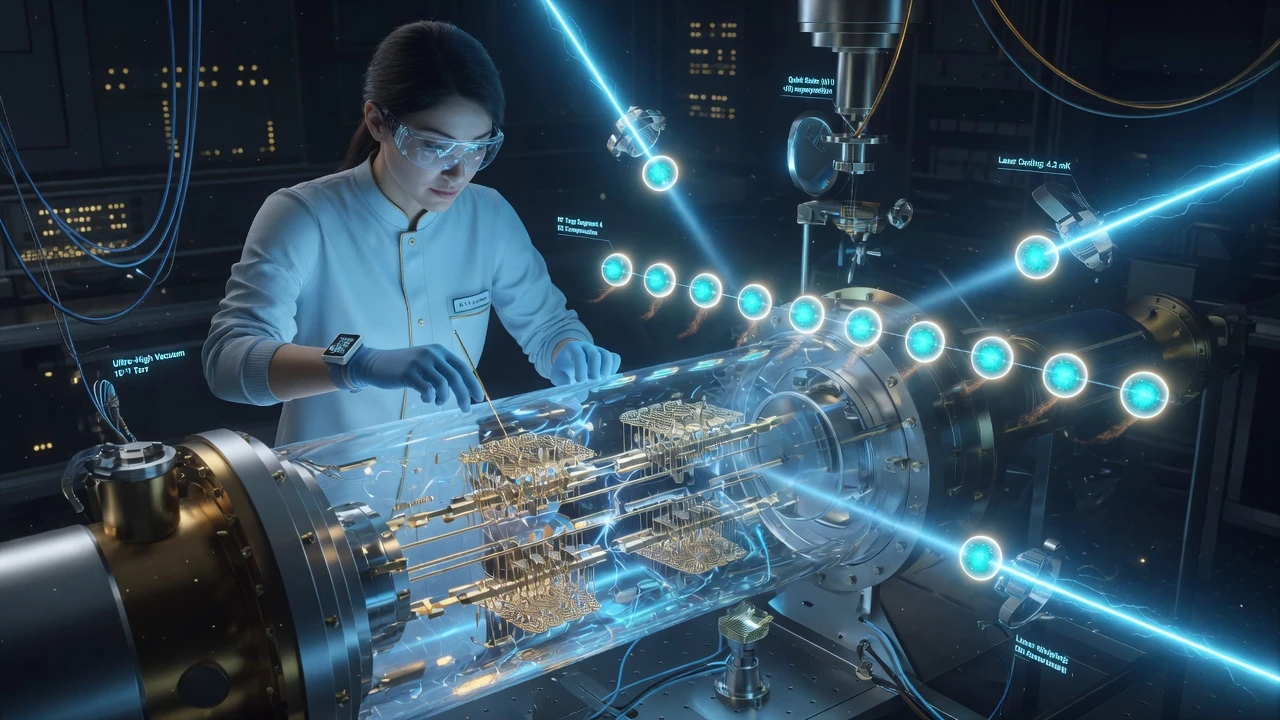
The $20 Billion Quantum Computing Market
The quantum computing market is projected to grow from $3.52B in 2025 to $20.2B by 2030 at a 41.8% CAGR. Over 360 startups and 750+ early-stage ventures are tracked globally, with 296,000+ patents filed. The US leads with 100,000+ patents, followed by China with 56,000+.
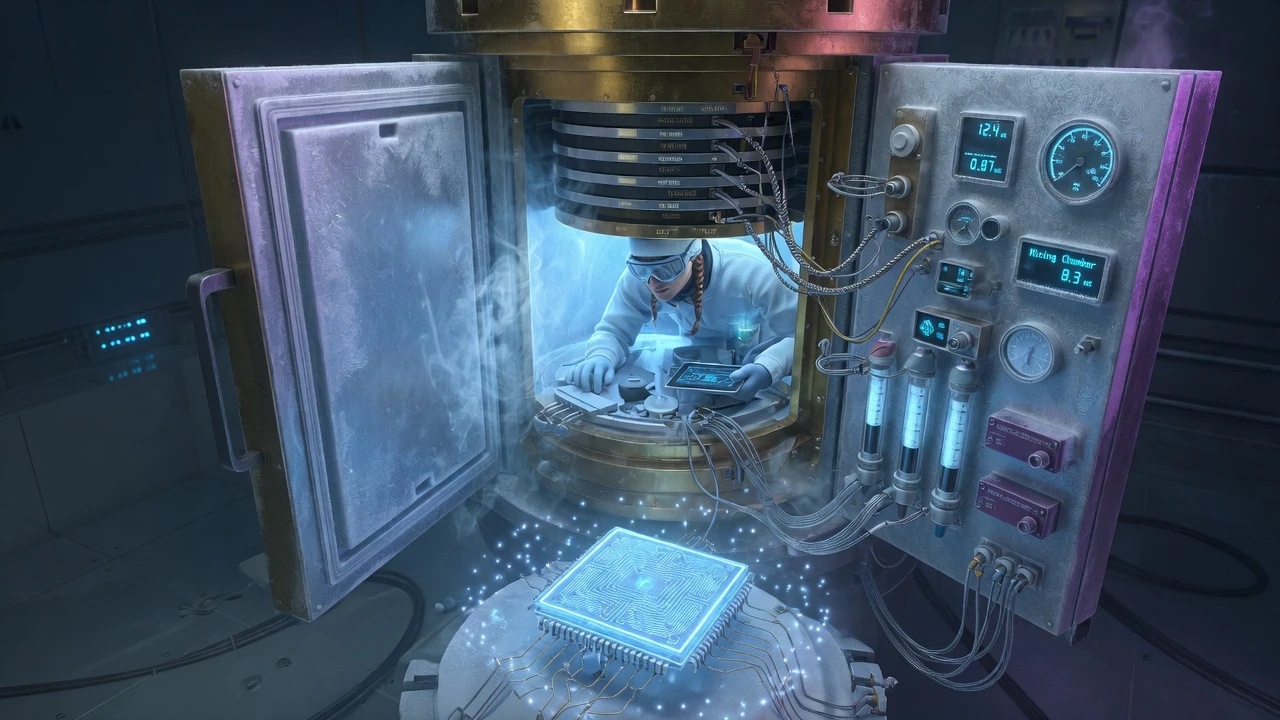
Quantum Error Correction Revolution
Google's Willow chip achieved exponential error reduction as qubit counts increased — going "below threshold." IBM's Quantum Starling targets 200 logical qubits by 2029. Microsoft's Majorana 1 architecture achieved a 1,000-fold error rate reduction. Error rates have hit record lows of 0.000015% per operation.
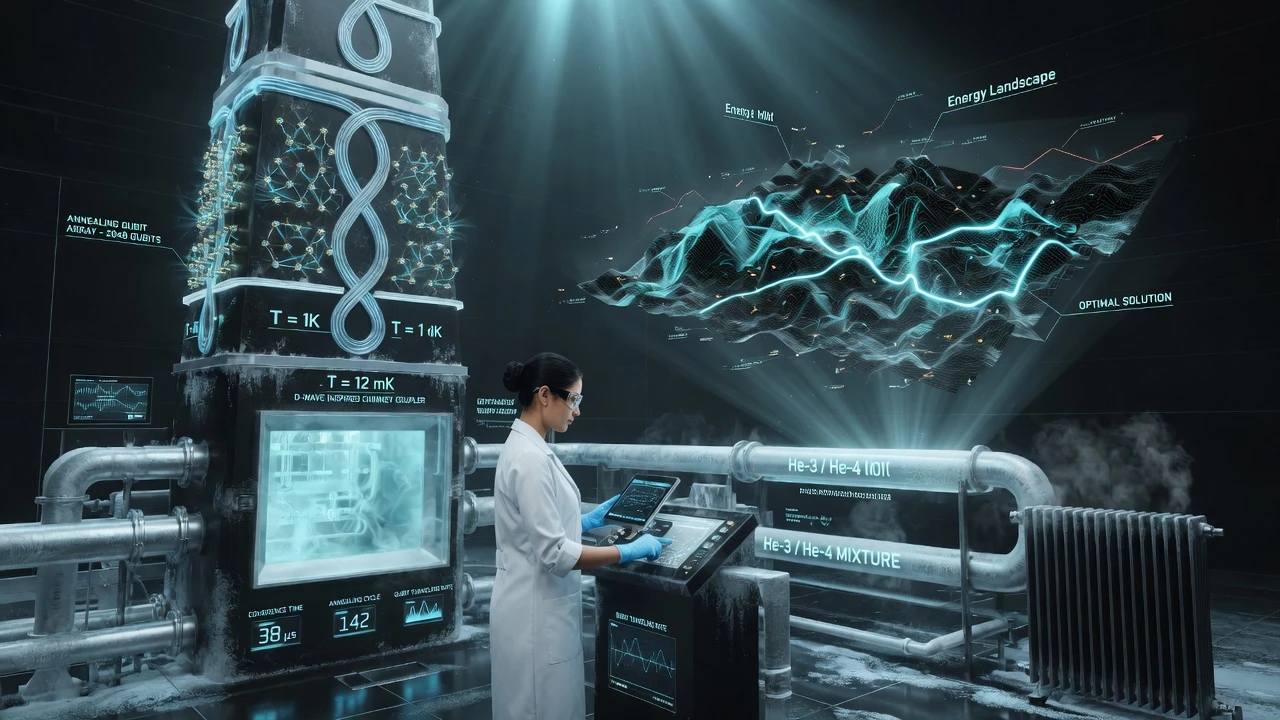
Qubit Technologies & Architectures
Multiple qubit modalities are competing: superconducting (IBM, Google), trapped-ion (IonQ, Quantinuum), photonic (Xanadu, PsiQuantum), neutral atom (Atom Computing), and topological (Microsoft). Each has distinct advantages in coherence, scalability, and operating conditions.
The Path to Quantum Advantage
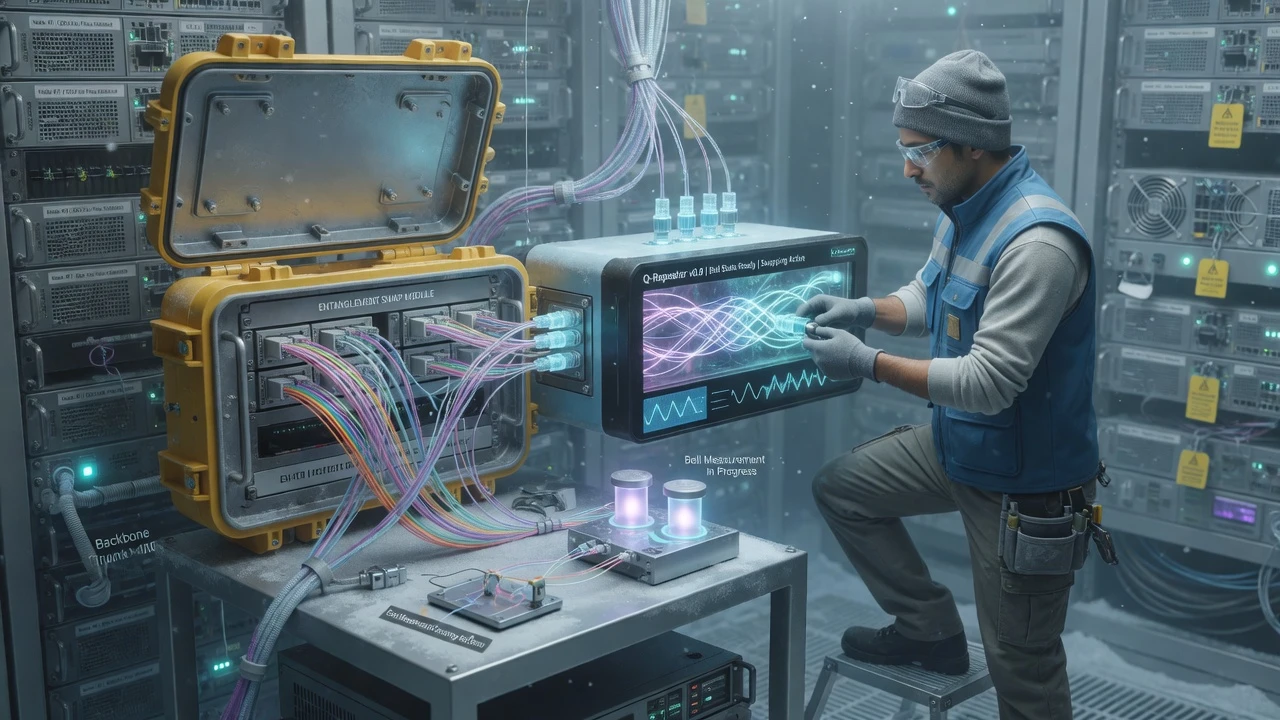
IonQ and Ansys ran a medical device simulation that outperformed classical HPC by 12%. Google's Quantum Echoes algorithm runs 13,000x faster on Willow than classical supercomputers. Materials science problems involving strongly interacting electrons appear closest to achieving quantum advantage.
Post-Quantum Cryptography
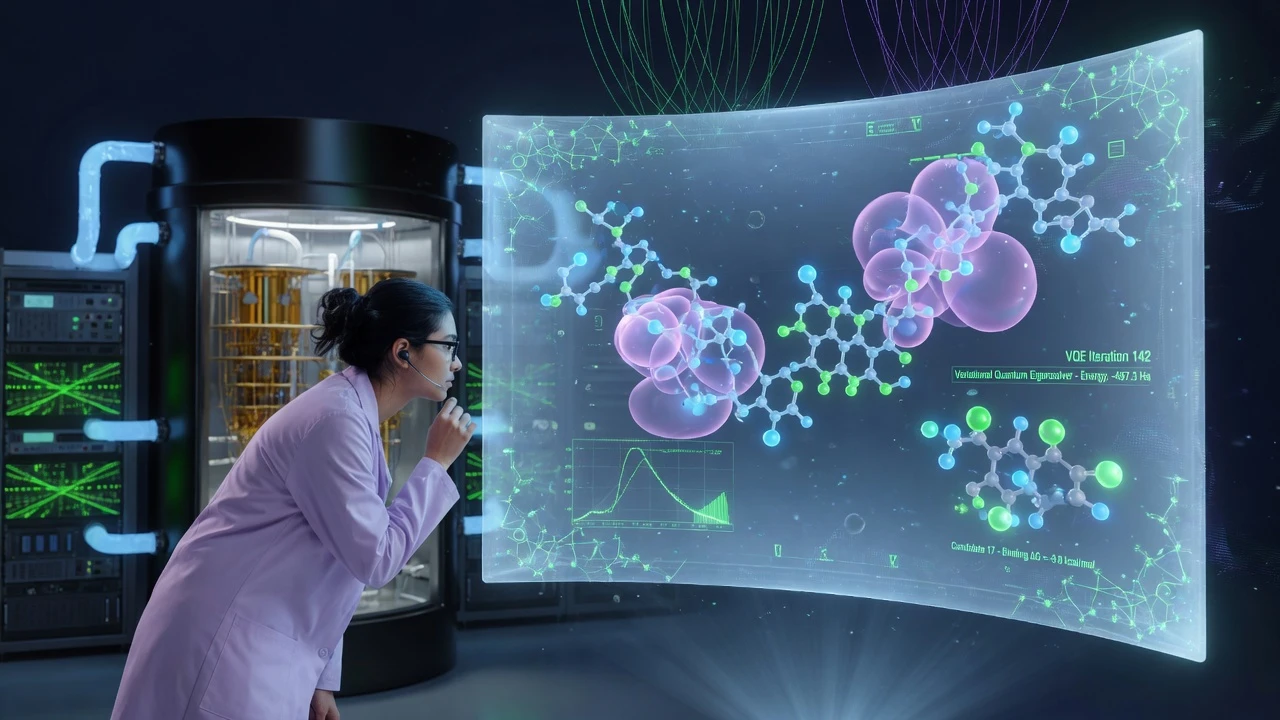
NIST finalized three post-quantum encryption standards in August 2024: ML-KEM, ML-DSA, and SLH-DSA. The White House has initiated quantum policy acceleration for federal adoption. Industry experts estimate transitioning government and enterprise networks could require a decade or more.
Quantum AI & Machine Learning
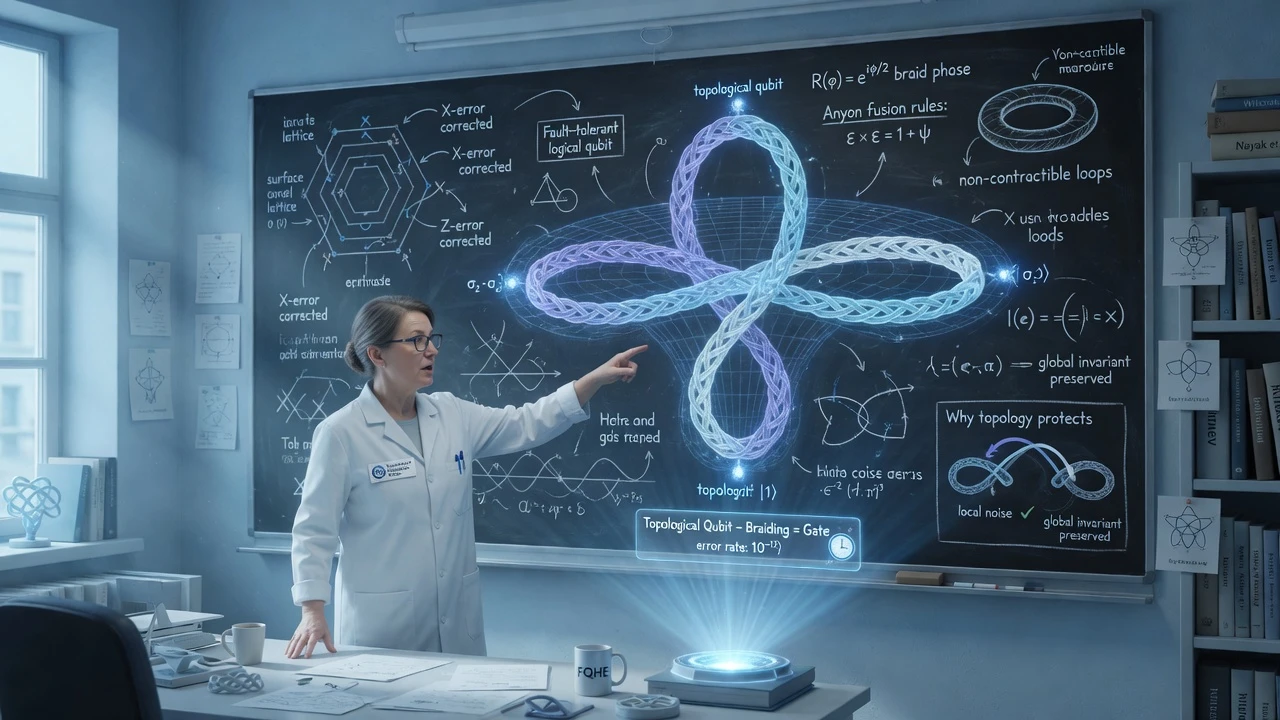
Quantum computing can speed up ML algorithms and reduce time for vast dataset processing. LLMs could be trained in hours rather than weeks. AI-driven quantum algorithm discovery is accelerating development timelines, while quantum ML transitions from theory to practical implementation.
Hybrid Quantum-Classical Workflows
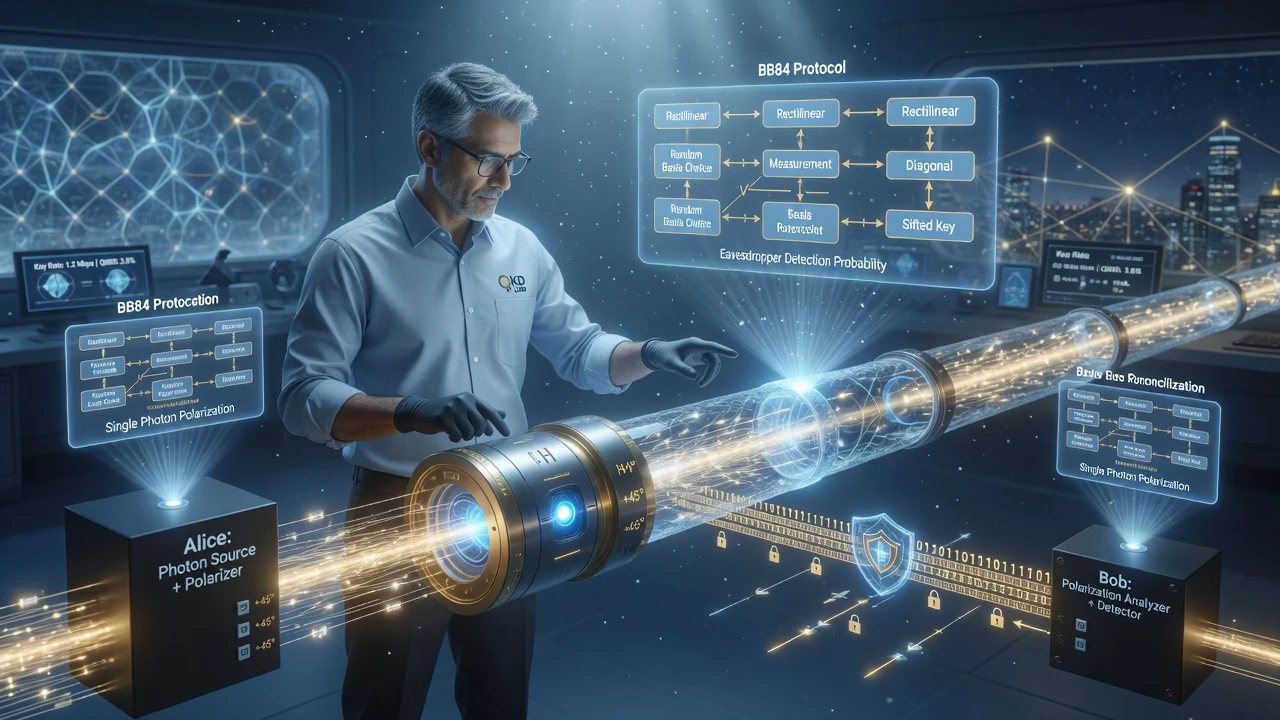
Quantum processors handle difficult optimization and simulations while HPC systems manage everything else. Fujitsu/RIKEN announced a 256-qubit system with plans for 1,000 qubits by 2026. IBM's Kookaburra processor targets 4,158 qubits in multi-chip configuration. These hybrid architectures represent the realistic path to near-term practical quantum systems.

Quantum Applications Across Industries
Drug discovery leads with Roche/Quantinuum reducing target identification timelines by 40%. JPMorgan partnered with IBM for option pricing and risk analysis. Pfizer, AstraZeneca, and Merck signed multi-year quantum service agreements. Supply chain optimization, battery development, and materials science represent additional high-priority applications.

Quantum-as-a-Service (QaaS)
IBM, Microsoft, AWS, and Google are rolling out pay-as-you-go quantum access. Cloud platforms remove barriers to entry, allowing organizations to conduct pilot projects without massive capital investments. Quantum could be the next cloud battleground, with providers racing to develop user-friendly interfaces and toolkits.
The Quantum Workforce Crisis
Only one qualified candidate exists for every three specialized quantum positions globally. McKinsey estimates 250,000+ new quantum professionals will be needed by 2030. The UN designated 2025 as the International Year of Quantum Science and Technology. Universities are expanding from doctoral programs to undergraduate and certificate offerings.
Global Quantum Race & Government Investment
The US National Quantum Initiative invested $2.5B from 2019-2024. China's national venture fund committed RMB 1 trillion (~$140B) for quantum technology. Europe advances through the Quantum Flagship Program. DARPA's US2QC program investigates whether any quantum approach can achieve utility-scale operation by 2033.
What's Trending in Quantum
Six trends shaping the future of quantum computing and its applications.
Useful Quantum Computing
The shift from lab breakthroughs to practical applications in finance, logistics, and pharmaceuticals.
Fault-Tolerant Systems
Error correction breakthroughs enabling reliable large-scale quantum computations.
Room-Temperature Quantum
IonQ's trapped-ion and Xanadu's photonic qubits could eliminate cryogenic infrastructure.
Quantum AI Convergence
Quantum-accelerated ML training in hours instead of weeks, with lower energy consumption.
Post-Quantum Migration
NIST standards finalized, but full network transition could take a decade or more.
Quantum Internet
Quantum networking, entanglement distribution, and unhackable communication channels.
Leading Quantum Companies
The companies driving innovation and growth in quantum computing.
IBM
Quantum Starling roadmap targeting 200 logical qubits by 2029, 100,000 qubits by 2033. 250+ client organizations in Quantum Network.
Roadmap to 100KWillow chip with 105 qubits achieved exponential error reduction. Quantum Echoes algorithm runs 13,000x faster than classical.
Below thresholdMicrosoft
Majorana 1 topological qubit architecture with 1,000-fold error reduction. 28 entangled logical qubits with Atom Computing.
Topological qubitsIonQ
Trapped-ion quantum computers. Achieved practical quantum advantage in medical device simulation with Ansys (12% faster).
First advantageQuantinuum
Roche collaboration reduced drug target identification timelines by 40%. Leading quantum chemistry simulations.
Pharma leaderAtom Computing
Neutral atom platform attracted DARPA attention. Demonstrated utility-scale quantum operations, planning substantial scale by 2026.
DARPA-backedQuantum Economy at a Glance
Key metrics defining the quantum computing sector in 2025.
The Quantum Road Ahead
Five predictions for the future of quantum computing and applications.
Trending Quantum Searches
What people are searching for in quantum computing — monthly volumes and growth rates.
| Search Term | Monthly Volume | Growth | Type |
|---|---|---|---|
| Quantum computing | 1.5M/mo | +75% | Hot |
| Quantum error correction | 49K/mo | +320% | Breakout |
| Post-quantum cryptography | 110K/mo | +145% | Rising |
| IBM quantum | 201K/mo | +60% | Hot |
| Google Willow chip | 85K/mo | +450% | Breakout |
| Quantum supremacy | 90K/mo | +25% | Stable |
| Quantum AI | 60K/mo | +210% | Breakout |
| Quantum internet | 27K/mo | +180% | Rising |
| Quantum cryptography | 74K/mo | +40% | Steady |
| Quantum sensors | 22K/mo | +95% | Rising |
Frequently Asked Questions
Structured answers to the most common quantum questions — optimized for AI search citation.
How big is the quantum computing market?
What is quantum error correction?
What is post-quantum cryptography?
When will quantum computers be useful?
What is Quantum-as-a-Service?
How is quantum computing used in drug discovery?
What is Google's Willow quantum chip?
What is IBM's Quantum Starling roadmap?

Master Quantum Computing
Get the latest quantum breakthroughs, error correction updates, and application insights delivered weekly.
Explore Quantum Articles →