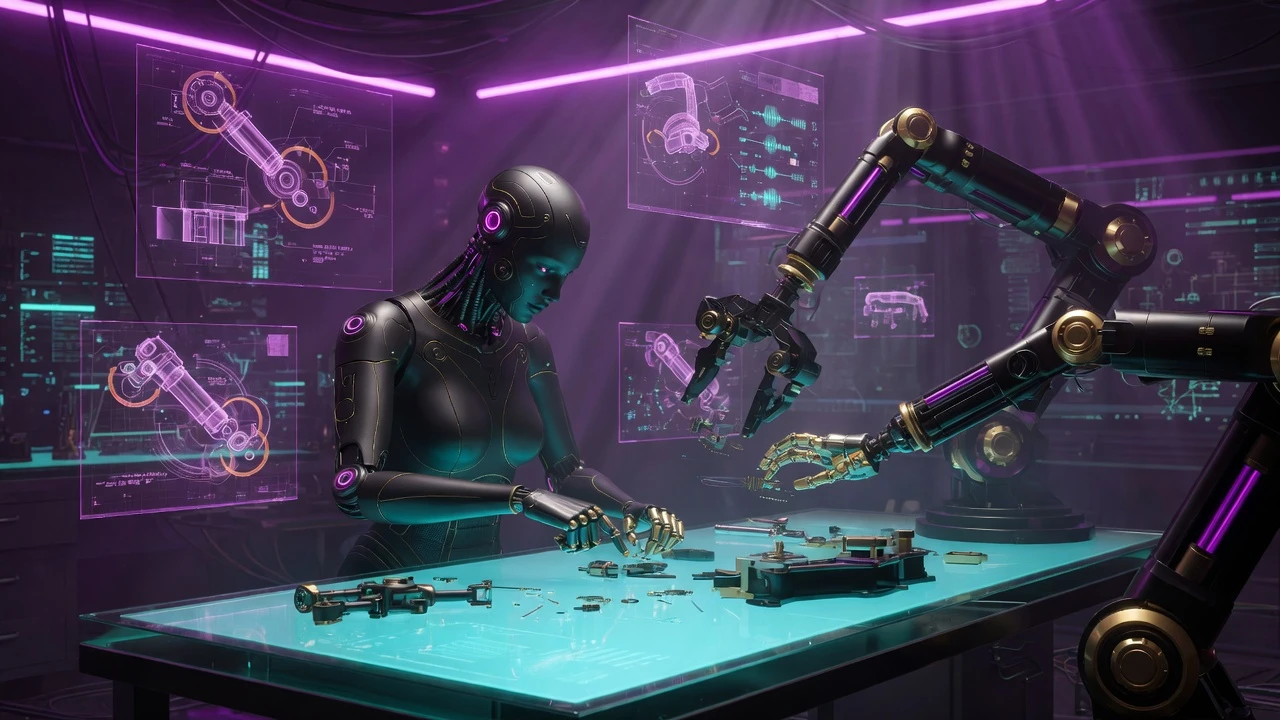
Robotics precision lab
Robotic exoskeleton
🟢 Deployed at BMW
Humanoid Market
$1.8B
Growth
2.25×
Live · Updated 2026

Robotics

Humanoids, cobots, and the age of physical AI

From humanoid robots entering the workforce to collaborative arms on factory floors and autonomous mobile robots in warehouses — explore the $65B robotics industry reshaping manufacturing, logistics, healthcare, and every sector of the economy.

$65B Global market 2026
560K Annual installations
+30% Cobot growth YoY
$1.8B Humanoid market 2026
Humanoids Cobots AMRs Surgical Robots Physical AI RaaS Swarm Robotics Soft Robotics $65B Market 560K Installations +30% Cobot Growth 200K+ AMRs Humanoids Cobots AMRs Surgical Robots Physical AI RaaS Swarm Robotics Soft Robotics $65B Market 560K Installations +30% Cobot Growth 200K+ AMRs Humanoids Cobots AMRs Surgical Robots Physical AI RaaS Swarm Robotics Soft Robotics $65B Market 560K Installations +30% Cobot Growth 200K+ AMRs
Market Snapshot

Robotics by the Numbers

Real data from IFR, market reports, and investment tracking — the robotics industry at a glance.

$65B
Global robotics market
Robotomated, 2026
560K
Annual robot installations
IFR, 2025
$23B
Warehouse automation market
Robotomated, 2026
$7.5B
Surgical robotics market
Robotomated, 2025
$12B
VC investment in robotics
Robotomated, 2025
200K+
AMR units deployed
Robotomated, 2026
Core Topics

What's Driving Robotics Search Demand

Nine topics capturing the most search interest — from humanoids to soft robotics, each backed by real growth data.

Humanoid Robots
🧍

Humanoid Robots

Figure 02 at BMW, Tesla Optimus, Boston Dynamics Atlas — humanoids move from labs to commercial deployments.

2.25× growth 110K/mo
Collaborative Robots
🤝

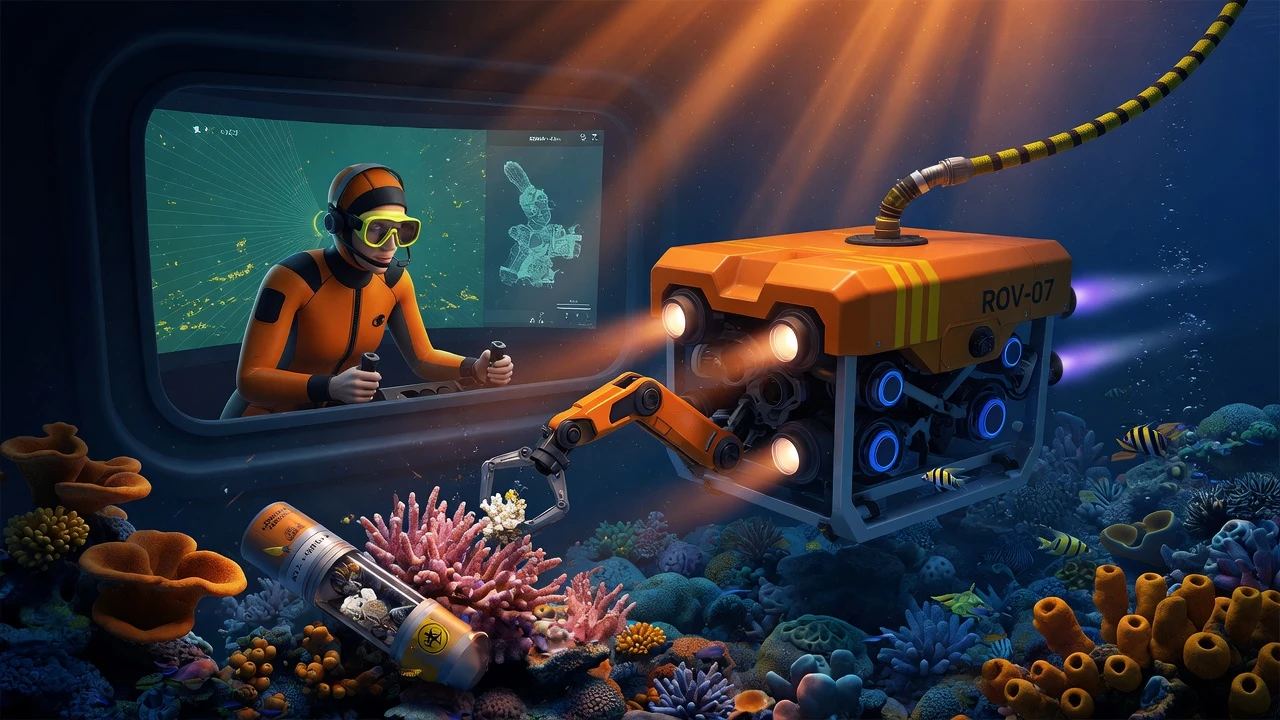
Collaborative Robots

Cobots working alongside humans — installations grew 30%+ YoY. Universal Robots leads but competition intensifies.
+30% YoY 6.6K/mo
Autonomous Mobile Robots
📦

Autonomous Mobile Robots

AMRs in warehouses and logistics — 200K+ units deployed. Robot-as-a-Service model dominates with 65%+ subscription pricing.
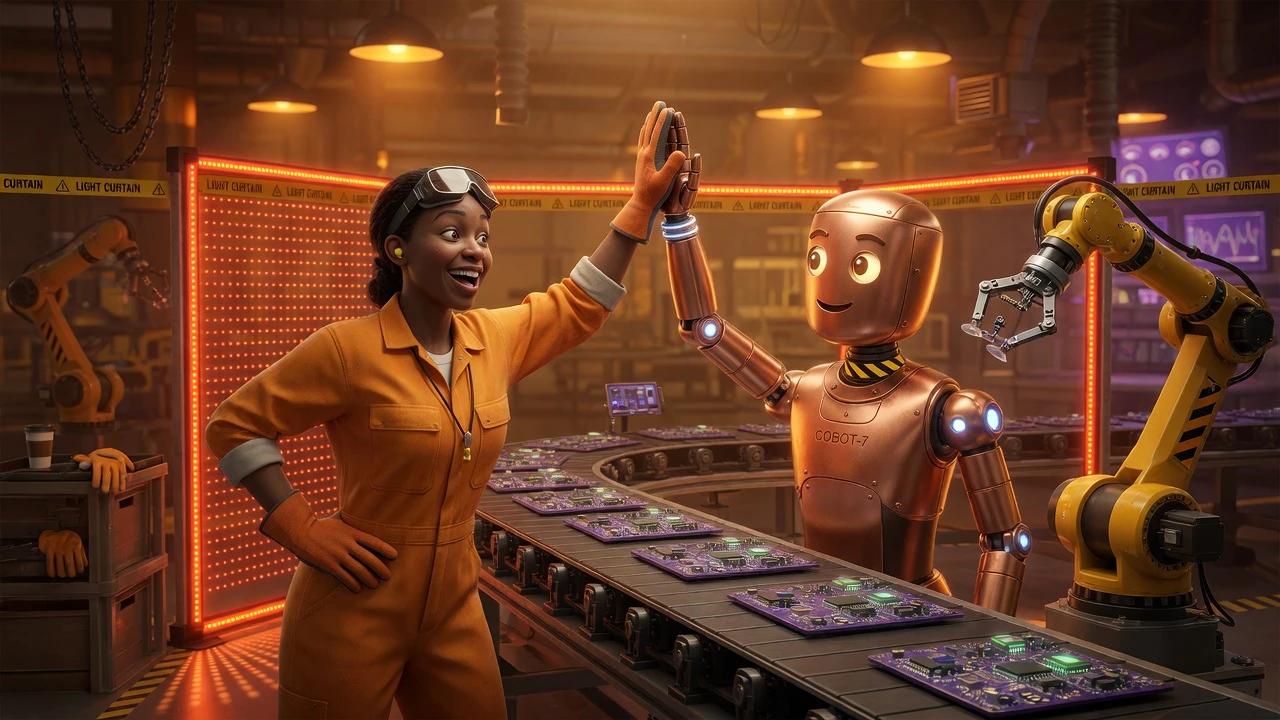
$9.2B by 2030 Growing
Surgical Robotics
🏥

Surgical Robotics

Da Vinci, Hugo, OTTAVA — AI-assisted surgical planning and precision beyond human capability.
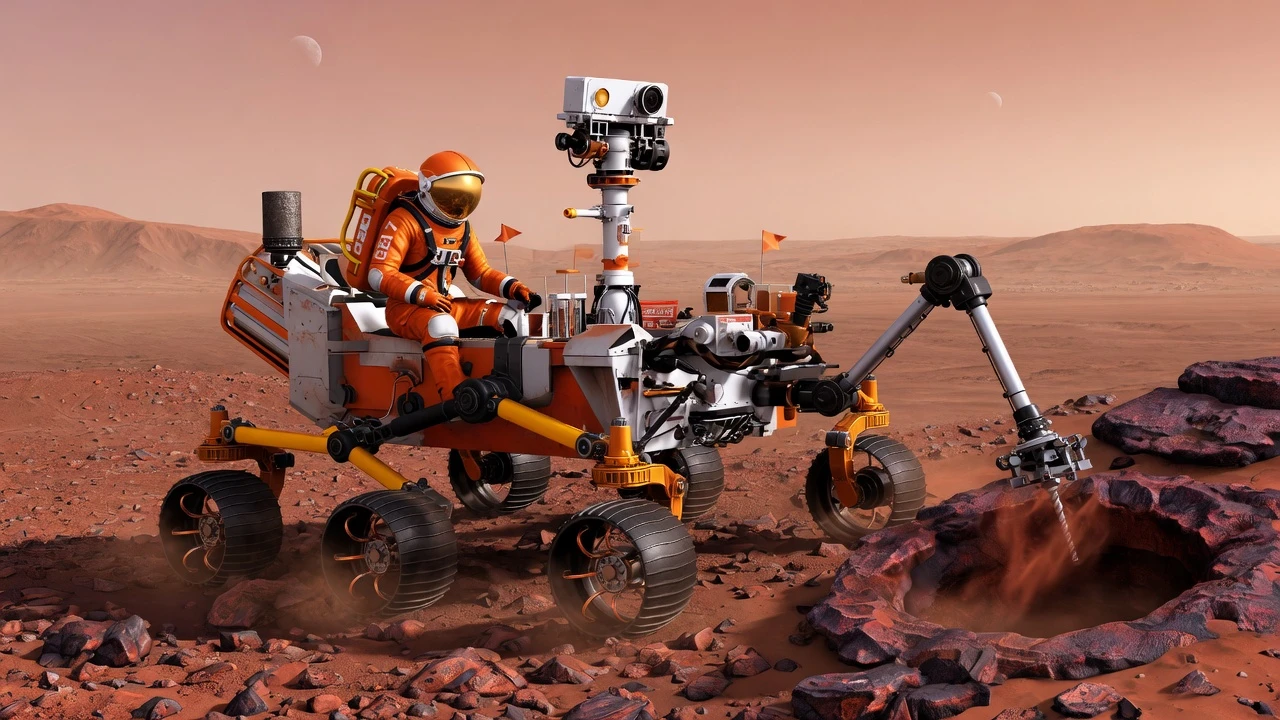
$7.5B market Growing
Industrial Automation
🏭

Industrial Automation

560K annual installations, China accounts for 50%+ of global demand. Smart factories and lights-out operations.
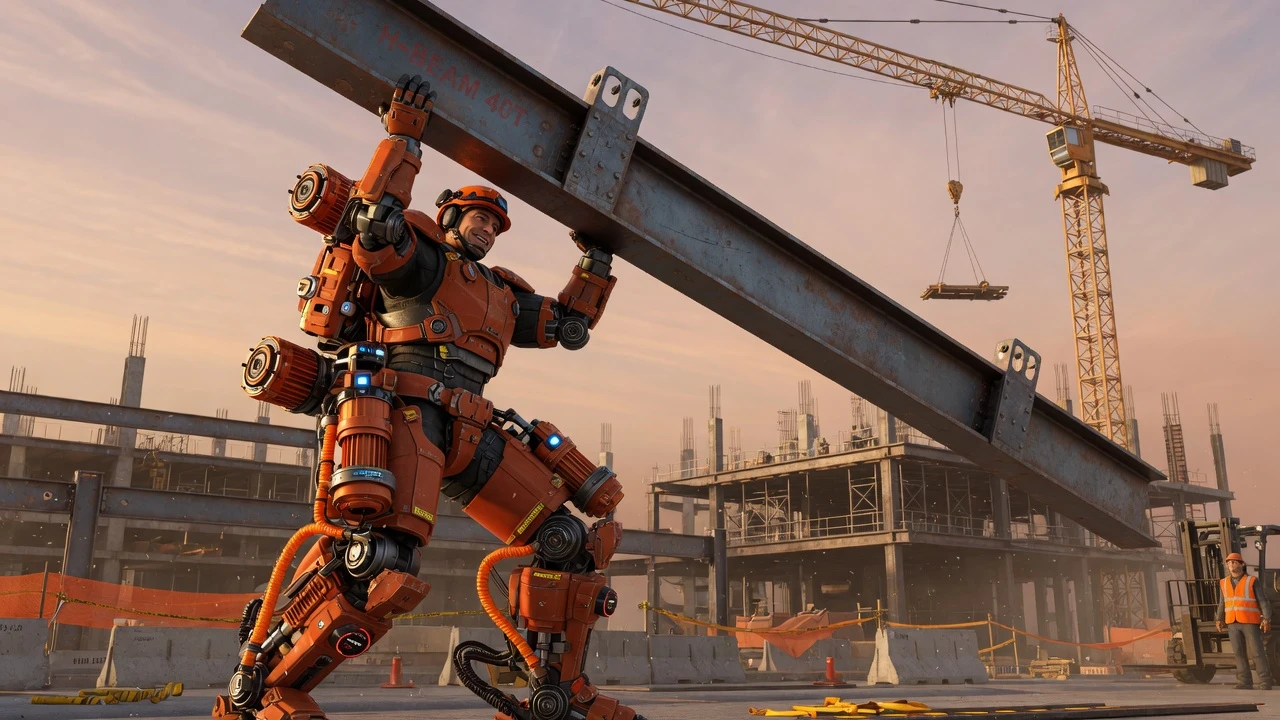
9% CAGR 301K/mo
Physical AI
🧠

Physical AI

AI-powered robots using simulation platforms like NVIDIA Isaac Sim — the big story of 2026.

2026 breakout Emerging
Robot-as-a-Service
💳

Robot-as-a-Service

Subscription-based robotics reducing upfront costs. 65%+ of new AMR deployments use RaaS pricing.

65% adoption Rising
Swarm Robotics
🐝

Swarm Robotics

Coordinated multi-robot systems — Pentagon allocated $500M for drone swarms in 2024.
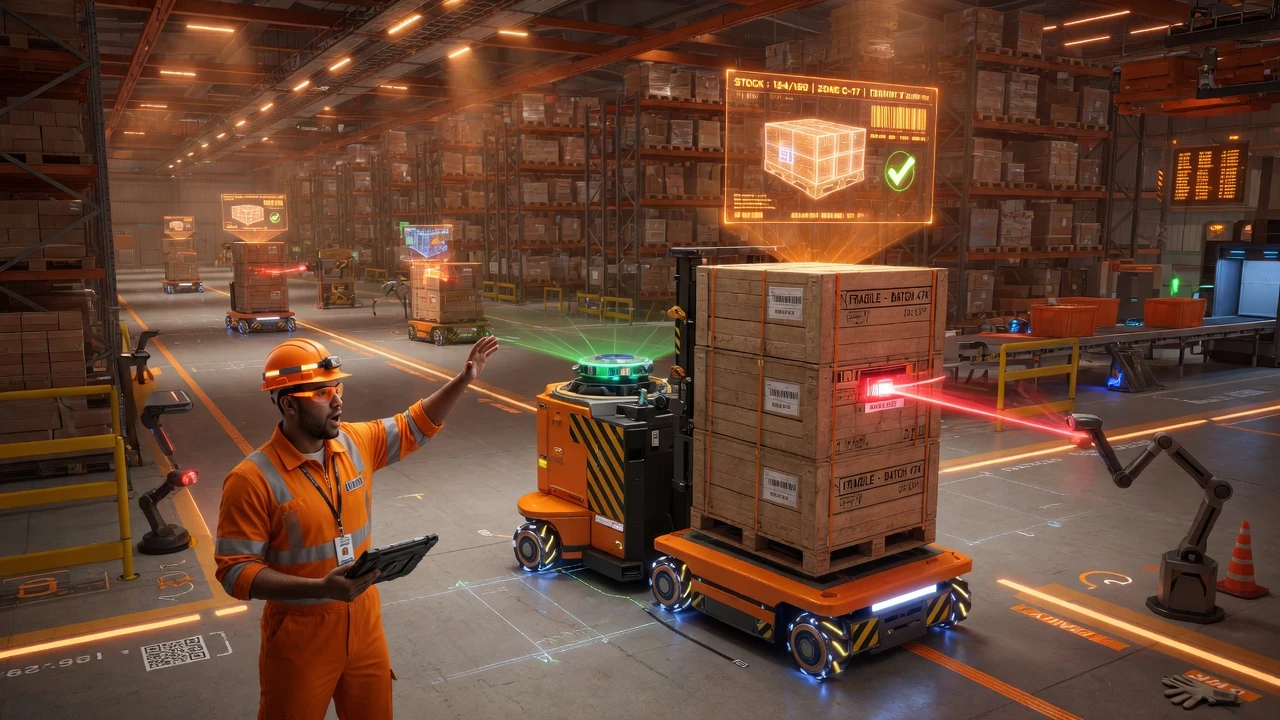
$500M funding Emerging
Soft Robotics
🦾

Soft Robotics

Flexible, bio-inspired robots for delicate handling — market reaching $8.8B by 2030 at 34% CAGR.

34% CAGR Rising
Deep Dive
Humanoid robots

Humanoid Robots: From Hype to Deployment

The first real commercial deployments are happening now

Figure 02 is operational at BMW. Tesla Optimus is in limited deployment at Tesla facilities. Boston Dynamics Atlas is in pilot programs with Hyundai. The humanoid market grew from $0.8B in 2025 to $1.8B in 2026 — and could reach $10-15B by 2030 if trajectories hold.

$1.8B
Humanoid market 2026
40%
Hardware cost drop (2yr)
$10-15B
Projected market 2030
3
Commercial deployments

Figure 02 at BMW

Operational in automotive manufacturing — the first humanoid robot in a production line environment.

Tesla Optimus

Limited deployment at Tesla facilities. Designed for general-purpose tasks in manufacturing and logistics.

Boston Dynamics Atlas

Pilot programs with Hyundai. The electric Atlas represents a new generation of agile humanoid platforms.

China Mass Production

China has set national targets for mass-producing humanoid robots as part of its strategic robotics plan.

Human-Robot Collaboration

Collaborative Robots: Cobots

Cobots grew 30%+ year-over-year, making automation accessible to businesses of every size.

Safe Collaboration

Safe Collaboration

New ISO 10218 and ANSI/A3 R15.06 standards define safety at the application level, not just the robot type. Cobots work alongside humans without cages.

Affordable Automation

Affordable Automation

Cobots available for under $25,000. RaaS models put automation within reach of small and medium-sized businesses for the first time.

Growing Payload Range

Growing Payload Range

New cobots handle 20-30 kg loads and full pallets — expanding from light assembly to heavier industrial tasks.

Market Leaders

Market Leaders

Universal Robots maintains market leadership but faces competition from FANUC CRX series and Chinese manufacturers like Estun and SIASUN.

Market Segments

Robotics Segments & Market Size

From industrial robots to humanoids — the four key segments driving the $65B robotics market.

🏭

Industrial Robots

$16.7B 9% CAGR

560K annual installations. China accounts for 50%+ of global demand. FANUC, ABB, KUKA, Yaskawa face competition from Chinese manufacturers.

📦

Warehouse & Logistics

$23B Fastest growing

AMRs, AS/RS, picking systems, sortation. 200K+ AMR units deployed. Locus Robotics, Amazon Robotics, AutoStore, Geek+ lead the market.

🏥

Surgical Robotics

$7.5B Crossed threshold 2025

Intuitive Surgical da Vinci dominates. Medtronic Hugo, J&J OTTAVA, Stryker Mako competing. AI-assisted surgical planning emerging.

🧍

Humanoid Robots

$1.8B 2.25× YoY

Figure 02, Tesla Optimus, Boston Dynamics Atlas. First real commercial deployments in 2026. Projected $10-15B by 2030.

Physical AI

AI Meets Robotics

The big story of 2026: AI-powered robots moving from research labs to mainstream deployment. Simulation platforms, reinforcement learning, and agentic AI are transforming what robots can do.

NVIDIA Isaac Sim

High-fidelity simulation platform for testing AI algorithms in virtual environments before deploying on physical robots.

Reinforcement Learning

Robots learning complex manipulation and locomotion through trial-and-error in simulation, then transferring to real-world.

Agentic AI in Manufacturing

Smart factories use agentic AI to reason, plan, and act on supply chain disruptions, production flow, and quality control.

Connected Ecosystems

Brand-agnostic platforms combining robots from multiple suppliers with AI orchestration — the future of factory automation.

AI-powered robotics
Real-World Impact

Robotics Across Industries

From automotive assembly lines to surgical theaters — how robots are transforming every sector.

Manufacturing
🏭

Manufacturing

Automotive assembly lines
Precision machining & surface finishing
Lights-out dark factories
Quality inspection & testing
Logistics & Warehousing
📦

Logistics & Warehousing

Autonomous mobile robots (AMRs)
Automated picking & sorting
Palletizing & packaging
Last-mile delivery robots
Healthcare
🏥

Healthcare

Surgical robots (da Vinci, Hugo)
Rehabilitation & exoskeletons
Pharmacy automation
Disinfection robots
Agriculture & Construction
🚜

Agriculture & Construction

Autonomous tractors & harvesters
Precision spraying drones
Bricklaying robots
Site survey UAVs
Global Landscape

Regional Dynamics

China leads installations, the US leads AI innovation, Europe leads regulation, and Asia drives demographic adoption.

🇨🇳

China

50%+ of installations

Manufacturing powerhouse with national humanoid robot strategy. Estun, SIASUN, HAN's Robot gaining market share. Nearshoring driving demand.

🇺🇸

United States

$8B+ VC investment

AI-driven innovation leader — humanoids, autonomous vehicles, surgical systems. Labor shortage is primary demand driver.

🇪🇺

Europe

Regulatory leader

EU Machinery Regulation (2023/1230) and AI Act shaping standards. Strong in industrial robotics and automotive automation.

🇯🇵

Japan & Korea

Demographic necessity

Aging populations driving robotics adoption. Hyundai rolling out humanoids across global operations. Japanese manufacturers innovating cobots.

2026 → 2030

The Future of Robotics

Five predictions for how robotics evolves over the next four years — based on current trajectories and expert analysis.

2026
Physical AI goes mainstream
AI-powered robots move from research labs to real-world applications — smart inspection, automated supply chains, agentic AI in manufacturing.
2027
Humanoids scale beyond pilots
If current trajectories hold, humanoid market reaches $3-5B. More automotive and logistics deployments. Cost parity with human labor for specific tasks.
2028
Connected robotic ecosystems
Multi-vendor robot fleets orchestrated by AI. Brand-agnostic platforms become standard. Lights-out operations expand beyond warehouses to mid-size factories.
2029
Soft robotics commercialize
Bio-inspired robots reach $8.8B market. Applications in food handling, pharmaceuticals, and delicate assembly where rigid robots can't operate.
2030
$90-100B market
Global robotics market nearly doubles from 2026. Humanoid robots reach $10-15B if trajectories hold. Robot-as-a-Service becomes default business model.
SEO Data

Trending Robotics Searches

Real Google search volume data showing what people are searching for in robotics.

FAQ

Frequently Asked Questions

Structured answers to the most common robotics questions — optimized for AI search citation.

What is the current size of the robotics market?
The global robotics market is estimated at $65 billion in 2026, encompassing industrial robots, professional service robots, consumer robots, surgical systems, drones, humanoids, and exoskeletons. It is projected to grow to $90-100 billion by 2028, driven by labor shortages, AI integration, and declining hardware costs.
What are humanoid robots and are they commercially deployed?
Humanoid robots are robots designed to resemble and work like humans. In 2026, the first real commercial deployments are happening: Figure 02 is operational at BMW, Tesla Optimus is in limited deployment at Tesla facilities, and Boston Dynamics Atlas is in pilot programs with Hyundai. The humanoid market grew from $0.8B to $1.8B in one year.
What is the difference between cobots and industrial robots?
Collaborative robots (cobots) are designed to work safely alongside humans without safety cages, while traditional industrial robots operate behind barriers. New ISO 10218 standards now define safety at the application level rather than the robot type. Cobots cost under $25,000 and grew 30%+ year-over-year, making automation accessible to small businesses.
What is Robot-as-a-Service (RaaS)?
RaaS is a subscription-based model where companies rent robots instead of purchasing them outright. Pioneered by Locus Robotics, 65%+ of new AMR deployments now use subscription pricing. This reduces upfront investment and makes robotics accessible to small and medium-sized businesses that were previously priced out.
How is AI transforming robotics in 2026?
AI is enabling robots to perceive, reason, and act autonomously. Key developments include NVIDIA Isaac Sim for high-fidelity simulation, reinforcement learning for complex manipulation, and agentic AI for manufacturing orchestration. The big story of 2026 is "Physical AI" — AI-powered robots moving from labs to mainstream deployment.
Which country leads in robotics adoption?
China dominates with 50%+ of global robot installations and a national strategy for humanoid robot mass production. The US leads in AI-driven innovation with $8B+ VC investment. Europe is the regulatory leader with the EU Machinery Regulation and AI Act. Japan and Korea are driven by demographic necessity from aging populations.
What is the warehouse robotics market size?
The global warehouse automation market — including AMRs, AS/RS, picking systems, and sortation — is estimated at $23 billion in 2026. AMR deployments alone are projected to exceed 200,000 cumulative installed units by end of 2026, up from 130,000 at end of 2025. Key players include Locus Robotics, Amazon Robotics, AutoStore, and Geek+.
Will robots replace human workers?
Robotics is addressing labor shortages rather than simply replacing workers. The industry is driven by labor gaps in warehousing, manufacturing, and healthcare. The trend is toward human-robot collaboration — cobots working alongside humans, robotic "night shifts" where humans set up machines and leave them running overnight, and RaaS models that augment rather than replace human workforces.
What is the Tesla Optimus robot and what can it do?
Tesla Optimus (Gen 2) is a humanoid robot designed for general-purpose tasks in manufacturing and logistics. It can walk, carry objects, handle tools, and perform repetitive assembly tasks. Tesla is deploying Optimus in limited capacity at its own facilities. The robot is designed to eventually cost under $20,000 at scale, making it potentially the most affordable humanoid platform.
How do surgical robots work?
Surgical robots like the da Vinci system use robotic arms controlled by a surgeon from a console. The surgeon views a 3D high-definition image and manipulates hand controls that translate to precise micro-movements. AI-assisted surgical planning is emerging, with systems like Stryker Mako using pre-operative CT scans to guide bone cuts with sub-millimeter accuracy. The surgical robotics market is worth $7.5B in 2026.
Robotics character

Stay Ahead of the Robotics Revolution

Get the latest robotics trends, humanoid updates, and deep-dive analysis delivered weekly.

Explore Robotics Articles →
🤖 Humanoid updates 📦 Warehouse automation 🏭 Industry analysis