How to Choose BCI Electrodes: From Wet EEG to Utah Arrays
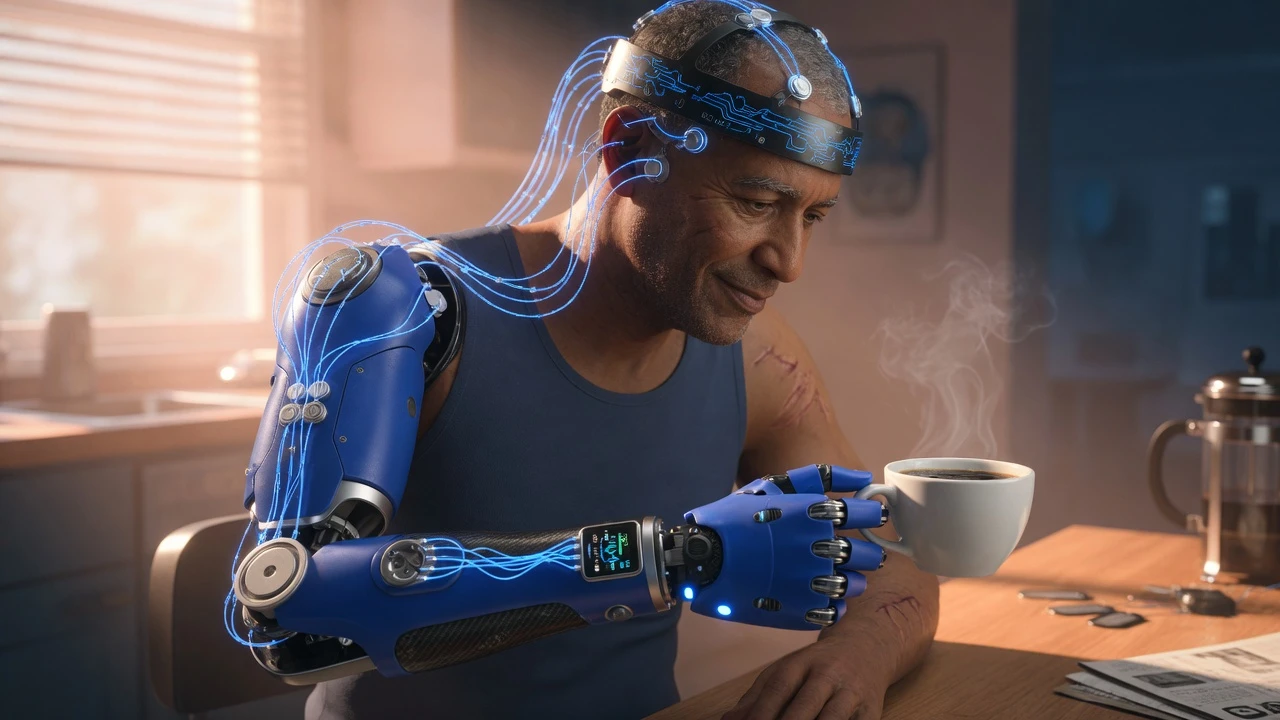
BCI electrodes range from wet EEG caps on the scalp to Utah arrays penetrating brain tissue. The choice determines signal quality, invasiveness, longevity, and application. This guide compares all electrode technologies and helps you choose the right one.
Introduction
BCI electrodes range from wet EEG caps on the scalp to Utah arrays penetrating brain tissue. The choice determines signal quality, invasiveness, longevity, and application. This guide compares all electrode technologies and helps you choose the right one.
Prerequisites
- ✓ Basic neuroscience (neurons, cortex)
- ✓ EEG signal characteristics
- ✓ Biomedical engineering basics
- ✓ Understanding of BCI applications
Key Concepts
Step-by-Step Guide
- 1
Understand the Signal Quality Trade-off
The fundamental BCI trade-off: signal quality vs invasiveness. Non-invasive (EEG): safe, cheap, 10-100 µV, low spatial resolution (~3-9 cm). Semi-invasive (ECoG): surgery, 100-1000 µV, medium spatial resolution (~1 cm). Invasive (intracortical): brain surgery, 100-1000 µV, single-neuron resolution (~0.1 mm). Each step inward gives 10-100x better signal but increases risk, cost, and regulatory burden.
textBCI Electrode Signal Quality: Type | Signal | Spatial Res | Invasiveness EEG (scalp) | 10-100 µV | 3-9 cm | None ECoG (surface)| 100-1000µV| ~1 cm | Craniotomy LFP (depth) | 100-500 µV| ~1 mm | Penetrating Spikes (intracortical) | 50-500 µV | ~0.1 mm | Brain penetration Skull attenuation: ~100x (40 dB) Each step inward: 10-100x better SNR - 2
Evaluate Wet EEG Electrodes
Wet EEG is the gold standard for non-invasive recording. Ag/AgCl electrodes with conductive gel on the scalp. Advantages: low impedance (<5 kΩ), high signal quality, well-established (clinical, research). Disadvantages: gel preparation (15-30 min), uncomfortable, dries out (2-4 hour limit), hair washing needed. Use cases: clinical EEG, research, BCI competitions. Systems: 1-256 channels, 10-20 or 10-10 international placement. Cost: $5K-50K for research-grade systems.
Tip: Wet EEG is still the best choice for research and clinical applications where signal quality matters and setup time is acceptable. For consumer applications, dry electrodes are needed. The gap between wet and dry signal quality is narrowing with advanced dry electrode designs. - 3
Evaluate Dry EEG Electrodes
Dry electrodes eliminate gel — use mechanical contact (pins, bristles) or capacitive coupling through hair. Advantages: quick setup (<5 min), comfortable, no gel, reusable. Disadvantages: higher impedance (10-100 kΩ), more noise, sensitive to motion, fewer channels typically. Types: 1) Resistive dry — metal pins/bristles that contact scalp through hair. 2) Capacitive (insulated) — no direct skin contact, measures through hair via capacitance. Use cases: consumer BCIs, gaming, neurofeedback, quick screening. Cost: $200-5K (consumer-grade).
Warning: Dry electrode signal quality is 2-5x worse than wet. Higher impedance means more thermal noise and susceptibility to movement artifacts. For motor imagery or P300 BCIs, dry electrodes may not achieve sufficient accuracy. Best for simple applications: meditation tracking, sleep monitoring, basic neurofeedback. - 4
Evaluate ECoG Electrodes
ECoG (electrocorticography) places electrodes on the brain surface (subdural or epidural). Requires craniotomy but doesn't penetrate brain tissue. Advantages: 10-100x better signal than EEG, higher frequency range (up to 500 Hz), better spatial resolution (~1 cm), less gliosis than penetrating electrodes. Disadvantages: invasive surgery, limited coverage, still FDA-investigational for BCI. Use cases: epilepsy monitoring (clinical), BCI research (ECoG motor decoding), Synchron Stentrode (blood vessel approach). Companies: Synchron (Stentrode via jugular vein), Paradromics, Precision Neuroscience.
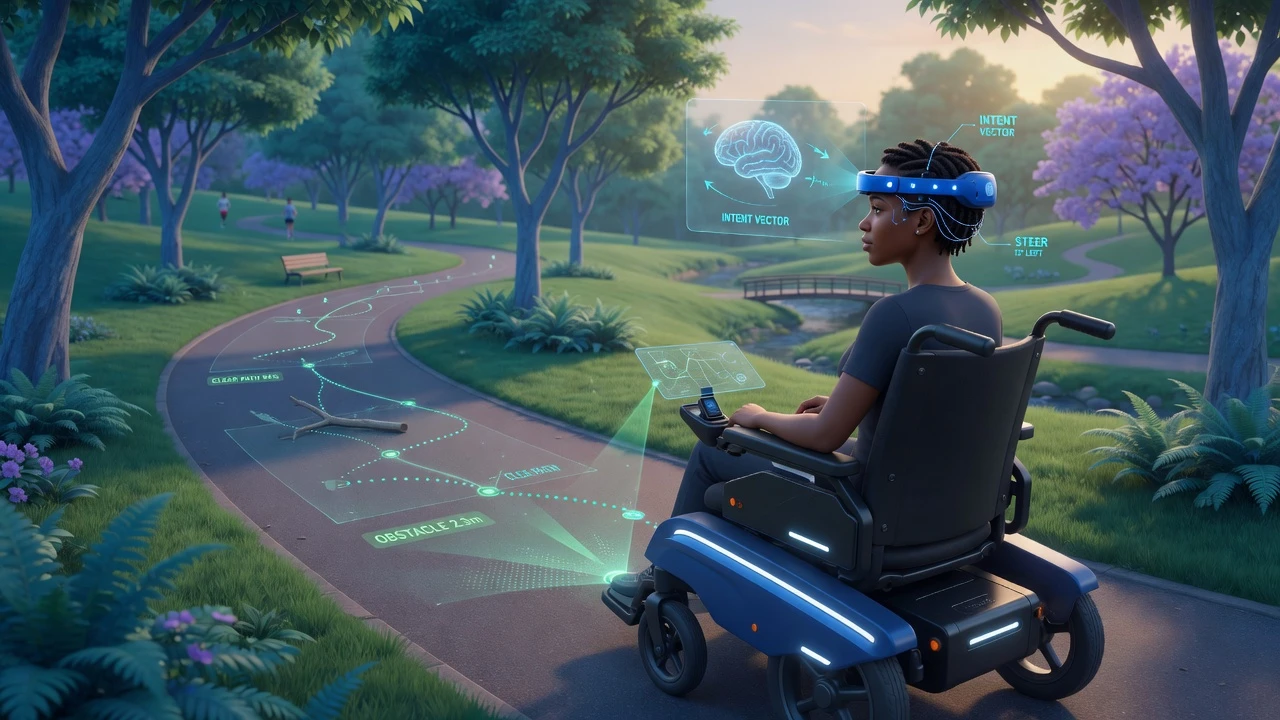
Brain mapping technologies like fMRI and ECoG help identify electrode placement for optimal signal capture. - 5
Evaluate Utah Arrays
The Utah array is the standard intracortical electrode: a 10x10 grid of silicon micro-needles (1.5 mm long, 400 µm spacing), each recording from a single neuron. Pioneered by Blackrock Neurotech (BrainGate). Advantages: single-neuron resolution, highest information rate, proven in humans (BrainGate trials since 2004). Disadvantages: open brain surgery, gliosis (signal degrades over months-years), limited to ~100-200 channels, rigid silicon breaks. Current record: 7+ years in one BrainGate participant. BrainGate has demonstrated typing at 90 characters/minute with Utah arrays.
Warning: Utah arrays have a limited lifetime. Gliosis (immune encapsulation) degrades signal over 6 months to 5 years. Most participants lose usable signals within 2-5 years. The rigid silicon shanks cause micromotion damage. Flexible electrodes (Neuralink threads, Neurowire) aim to solve this but are less mature. - 6
Evaluate Neuralink Threads
Neuralink uses flexible polymer threads (4-6 µm wide) with 32-64 electrodes each, inserted by a surgical robot (R1). Advantages: flexible (reduces micromotion damage), high channel count (1,024+ electrodes), tiny (6 µm), robotic insertion (precise placement, avoids blood vessels). Disadvantages: brain surgery, still experimental (first human implant 2024), thread retraction risk, wireless only (no wired backup). Neuralink N1 implant: coin-sized, wireless charging, Bluetooth. First patient (Noland Arbaugh) demonstrated cursor control and chess playing.
Tip: Neuralink's robotic insertion is the key innovation. The R1 robot inserts threads with micron precision, avoiding blood vessels (reducing hemorrhage risk) and targeting specific cortical layers. This enables denser electrode placement than manual insertion. The threads' flexibility reduces gliosis compared to rigid Utah arrays — potentially longer-lasting signals. - 7
Evaluate Synchron Stentrode
Synchron's Stentrode is a novel approach: a stent-like electrode array delivered through the jugular vein to the motor cortex's blood vessels. Advantages: no open brain surgery (endovascular procedure), placed in blood vessels (no brain tissue damage), FDA Breakthrough Device. Disadvantages: ECoG-level signal (not single neurons), limited channels (16 electrodes), blood vessel dependence. First human implant 2019 (Australia). FDA clinical trial ongoing (10 patients). Synchron patients have demonstrated text generation and cursor control via the Stentrode.
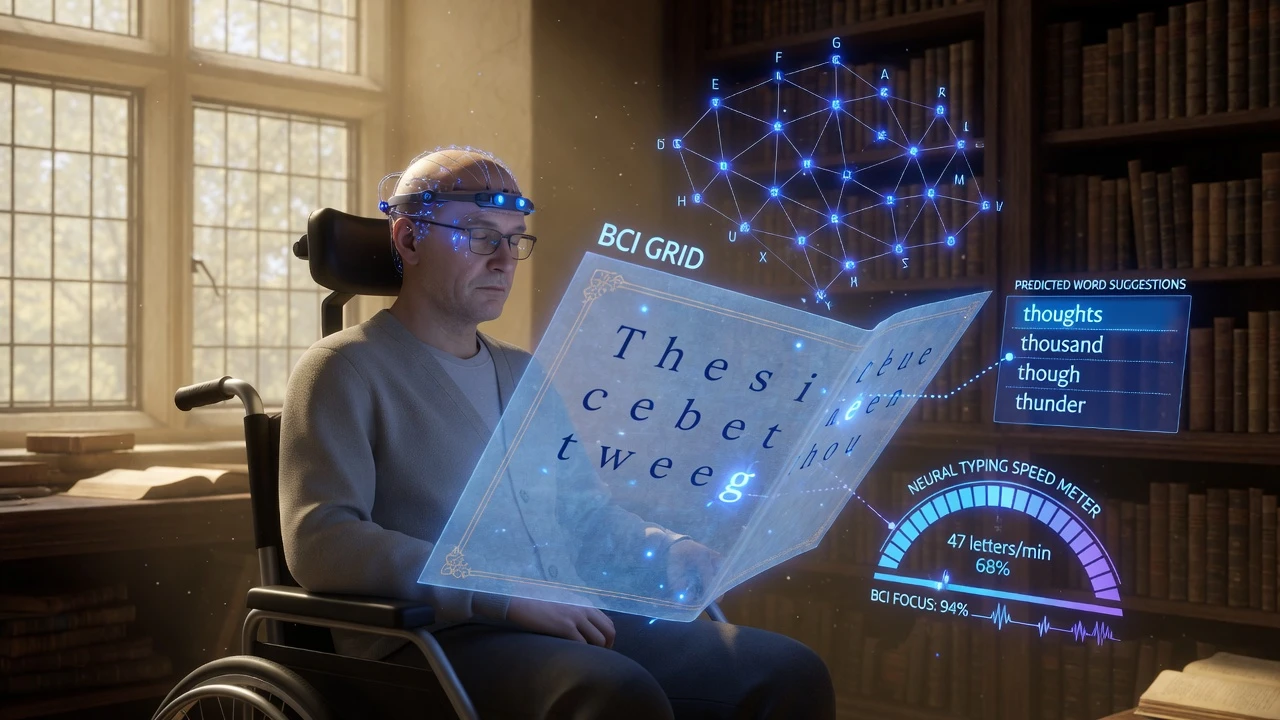
Invasive BCIs enable wheelchair and device control for patients with severe paralysis. - 8
Compare Electrode Technologies
Key comparison factors: 1) Signal quality (SNR, spatial resolution, frequency range), 2) Invasiveness (none, craniotomy, brain penetration), 3) Longevity (hours, months, years), 4) Channel count (1-10000+), 5) Cost ($200 consumer to $100K+ surgical), 6) Regulatory (CE, FDA investigational, FDA approved), 7) Application (consumer, clinical, research, therapeutic).
textElectrode Comparison: Type | Channels | Longevity | Cost | FDA Status Wet EEG | 1-256 | Hours | $5-50K | Approved Dry EEG | 1-32 | Hours | $0.2-5K | Approved (general) ECoG | 8-256 | Months-yrs | $50-200K | Investigational Utah Array | 100 | 2-5 yrs | $100K+ | Investigational Neuralink | 1024+ | TBD | TBD | Investigational Synchron | 16 | TBD | TBD | Breakthrough Device Best for: Research: Wet EEG / Utah Array Consumer: Dry EEG Therapeutic: Synchron (least invasive) / Neuralink (highest bandwidth) - 9
Consider Novel Electrode Technologies
Emerging approaches: 1) Neural dust — free-floating motes (100 µm) in brain tissue, powered/read by ultrasound. Pre-clinical. 2) Flexible mesh electronics — injectable polymer mesh that integrates with brain tissue. Pre-clinical. 3) Optogenetic electrodes — light-based recording/stimulation (requires genetic modification). 4) EDI (Endothelial Drug-Eluting Implants) — drug delivery + recording. 5) Carbon fiber electrodes — 7 µm diameter, less gliosis than silicon. 6) Neurowire — flexible polymer fibers with integrated channels. Most are pre-clinical but promise longer lifetime and higher channel counts.
Warning: Novel electrode technologies are 5-15 years from clinical use. The regulatory pathway for novel neural interfaces is long (FDA IDE, clinical trials, PMA). Neuralink and Synchron are the closest to commercialization — both still in early clinical trials. Do not expect novel electrodes to solve BCI challenges in the near term. - 10
Choose the Right Electrode
Decision framework: 1) Consumer application (gaming, meditation, sleep) → dry EEG. 2) Research (high-quality EEG, BCI experiments) → wet EEG (32-64 channels). 3) Clinical monitoring (epilepsy, sleep disorders) → wet EEG (clinical grade). 4) Therapeutic BCI (ALS, paralysis) → Synchron (least invasive) or Neuralink (highest bandwidth). 5) Research with single-neuron resolution → Utah array (BrainGate). 6) Long-term implant → Synchron (endovascular, potentially longer lifetime) or Neuralink (flexible threads, less gliosis). Consider: signal needs, invasiveness tolerance, budget, regulatory status, and longevity requirements.
Tip: For most BCI applications, start with non-invasive EEG. Only move to invasive when the application demands it (e.g., restoring communication to locked-in patients). The risk-benefit ratio for invasive BCIs only makes sense for severe disabilities where the benefit (restored communication, movement) outweighs the surgical risk. Consumer invasive BCIs (Neuralink for healthy people) are years away and ethically debatable.
Summary
BCI electrodes range from non-invasive (wet/dry EEG, 10-100 µV, safe, low spatial resolution) to invasive (Utah arrays, Neuralink threads, single-neuron resolution, brain surgery). ECoG (Synchron Stentrode) offers a middle ground via blood vessels. Key trade-off: signal quality vs invasiveness. Wet EEG remains the research standard; dry EEG serves consumer applications. Utah arrays (BrainGate) provide single-neuron data but degrade over years (gliosis). Neuralink offers flexible threads with robotic insertion (1024+ channels). Synchron offers the least invasive option (endovascular). Novel technologies (neural dust, mesh electronics) are 5-15 years from clinical use.
Frequently Asked Questions
Dry EEG with 1-14 channels (e.g., OpenBCI, Muse, NeuroSky). Easy setup, affordable ($200-1000), no gel needed, good for learning signal processing and basic paradigms (P300, SSVEP). Upgrade to wet EEG (32-64 channels) for research-grade motor imagery work.
Utah arrays: typically 2-5 years before gliosis degrades signals (record: 7 years). Neuralink threads: TBD (designed for longer lifetime via flexibility, but first human implant was 2024). Synchron Stentrode: TBD (endovascular placement may reduce immune response). All invasive BCIs face long-term durability challenges.
Gliosis is the brain's immune response to foreign objects. Glial cells (astrocytes, microglia) encapsulate the electrode, forming a scar that electrically insulates it from neurons. Signal degrades over weeks to years. This is the primary failure mode of invasive BCIs. Flexible electrodes (Neuralink threads) and anti-inflammatory coatings aim to reduce gliosis.
Yes. The Stentrode is delivered through the jugular vein (like a cardiac stent procedure) — no craniotomy, no brain tissue penetration. It records ECoG-level signals from blood vessels on the motor cortex. This is significantly less risky than open brain surgery (Utah arrays, Neuralink). The trade-off is lower signal quality (ECoG vs single neurons).
Test Your Knowledge
1. What is the signal quality improvement from EEG to intracortical electrodes?
The skull attenuates EEG signals ~100x (40 dB). Intracortical electrodes bypass the skull and record single neurons (50-500 µV, 0.1 mm spatial resolution). This gives 10-100x better SNR and enables decoding of individual finger movements — impossible with EEG.
2. What is the primary failure mode of invasive BCI electrodes?
Gliosis — glial cells encapsulate the electrode, insulating it from neurons. Signal degrades over weeks to years. Utah arrays typically last 2-5 years. Flexible electrodes (Neuralink threads) aim to reduce gliosis but are still experimental.
3. Which invasive BCI approach avoids open brain surgery?
Synchron's Stentrode is delivered through the jugular vein to blood vessels on the motor cortex — like a cardiac stent procedure. No craniotomy, no brain tissue penetration. This is the least invasive approach to therapeutic BCI, though it provides ECoG-level (not single-neuron) signals.