How mRNA Platforms Work: Cancer Vaccines and Rare Disease Therapies
mRNA technology, proven by COVID-19 vaccines, is now being applied to cancer vaccines, rare disease therapies, and personalized medicine. This guide covers the science, manufacturing, and clinical pipeline.
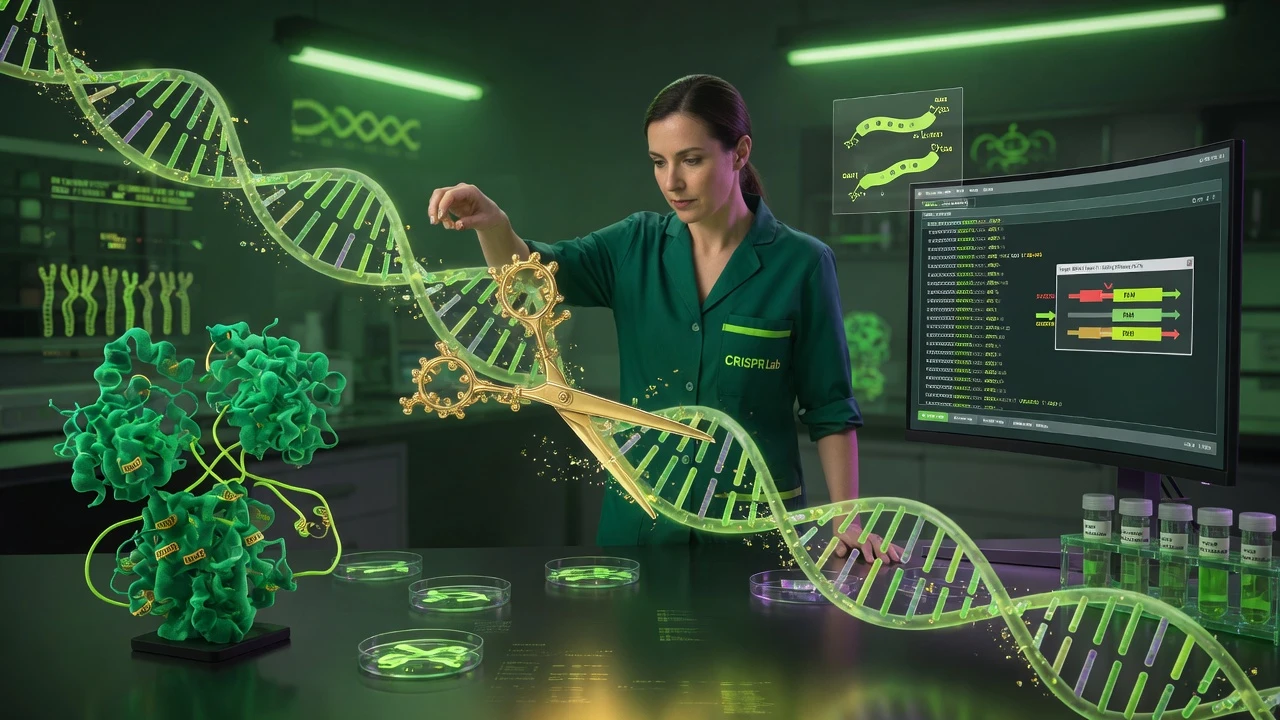
Introduction
mRNA technology, proven by COVID-19 vaccines, is now being applied to cancer vaccines, rare disease therapies, and personalized medicine. This guide covers the science, manufacturing, and clinical pipeline.
Prerequisites
- ✓ Basic molecular biology (DNA, RNA, proteins)
- ✓ Understanding of vaccines and immunology
- ✓ General biotechnology knowledge
Key Concepts
Step-by-Step Guide
- 1
Understand mRNA Biology
mRNA is the intermediate between DNA (storage) and protein (function). In mRNA therapeutics, synthetic mRNA is delivered to cells, which read it and produce the target protein — an antigen for vaccines, a therapeutic protein for diseases, or an enzyme for gene editing. The mRNA is naturally degraded within days, making it inherently safe (no DNA integration risk).
- 2
Learn How Lipid Nanoparticles Work
LNPs are the delivery breakthrough that made mRNA therapeutics possible. An LNP consists of: ionizable lipids (bind mRNA, release it inside cells), helper lipids (stabilize the particle), cholesterol (membrane fluidity), and PEG-lipids (reduce immune recognition). LNPs protect mRNA from degradation, facilitate cellular uptake via endocytosis, and release mRNA into the cytoplasm.
Tip: The ionizable lipid is the key innovation — it is neutral at pH 7.4 (reduced immune response) but positively charged at low pH (binds mRNA during formulation). - 3
Understand Modified Nucleosides
Unmodified mRNA triggers an immune response (detected as foreign RNA). Katalin Karikó and Drew Weissman discovered that replacing uridine with pseudouridine (Ψ) reduces immune detection and increases translation efficiency. This discovery enabled all mRNA vaccines and therapeutics. The 2023 Nobel Prize in Medicine was awarded for this work.
Warning: Without modified nucleosides, mRNA therapeutics would not work — the immune system would destroy the mRNA before it could produce protein. This was the key bottleneck for 30+ years. - 4
Explore the COVID-19 Vaccine Success
The COVID-19 mRNA vaccines (Pfizer-BioNTech, Moderna) demonstrated the platform's speed and efficacy: designed in 2 days, in clinical trials within 10 weeks, authorized within 11 months, 95% efficacy, billions of doses produced. This proved that mRNA technology is scalable, safe, and effective. The platform approach means new vaccines can be designed by simply changing the mRNA sequence.
textmRNA Vaccine Timeline (COVID-19): Jan 10, 2020: SARS-CoV-2 genome published Jan 13, 2020: mRNA vaccine designed (2 days) Mar 16, 2020: Phase 1 clinical trial begins Nov 9, 2020: 95% efficacy reported Dec 11, 2020: FDA emergency authorization Total: 11 months from design to authorization - 5
Explore Cancer Vaccine Pipeline
Personalized cancer vaccines are the most promising mRNA application beyond infectious disease. Process: sequence patient's tumor, identify neoantigens (mutations unique to the tumor), design mRNA encoding these neoantigens, manufacture personalized vaccine in ~6 weeks, administer to trigger T-cell response against the tumor. Moderna-Mercedes melanoma vaccine: 44% reduction in recurrence vs Keytruda alone.
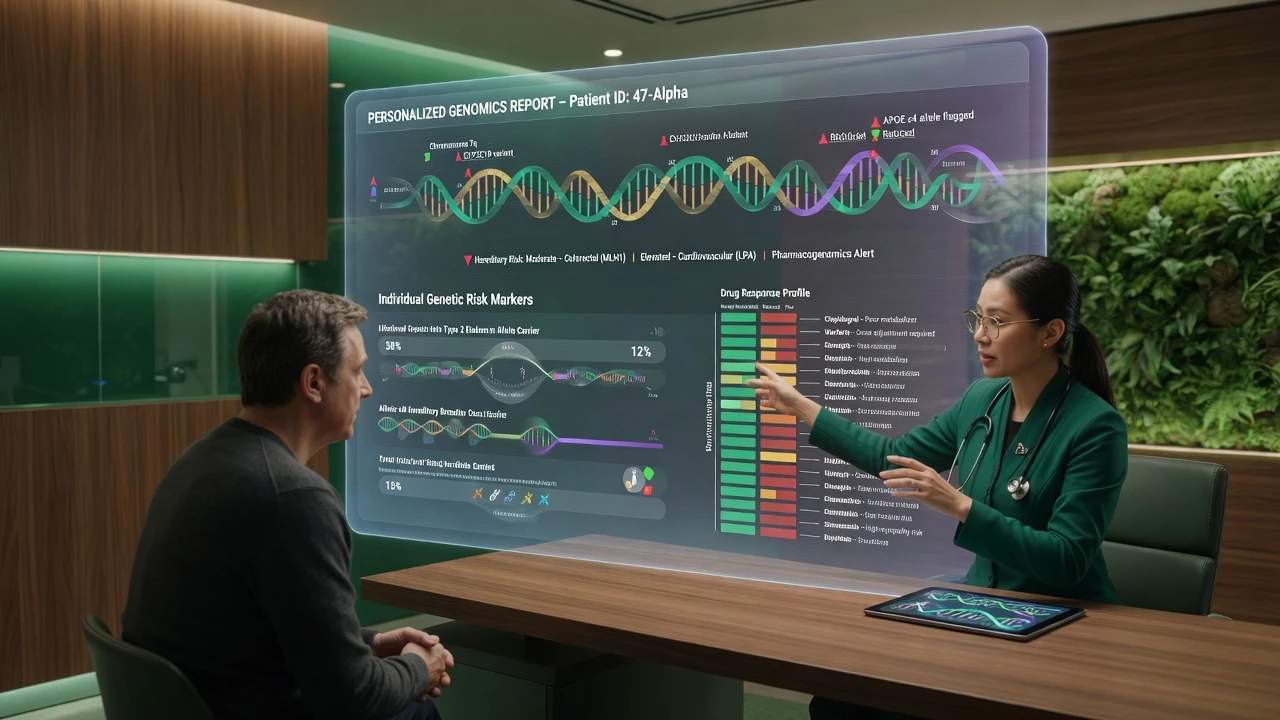
Personalized cancer vaccines require sequencing each patient's tumor to identify unique mutation targets — a truly individualized therapy. - 6
Understand Rare Disease Applications
mRNA can replace missing proteins in rare genetic diseases: mRNA-3704 (Moderna) for methylmalonic acidemia (MMA), mRNA-3927 for propionic acidemia (PA). These diseases lack functional enzymes — mRNA delivers the instructions to produce them. Advantage over gene therapy: no DNA integration risk, dose is tunable, and treatment can be stopped if needed.
- 7
Learn the Manufacturing Process
mRNA manufacturing: 1) Plasmid DNA template production (fermentation), 2) In vitro transcription (IVT) — enzymatic synthesis of mRNA from DNA template, 3) Enzymatic capping (5' cap structure for stability and translation), 4) Purification (chromatography, tangential flow filtration), 5) LNP formulation (microfluidic mixing), 6) Fill-finish and quality control. Total: 4-6 weeks for a batch.
Tip: mRNA manufacturing is faster and more flexible than traditional biologics. Changing the product only requires changing the DNA template — the manufacturing process stays the same. This is the "platform" advantage. - 8
Scale Manufacturing for Global Demand
COVID-19 required billions of doses. Key scaling challenges: IVT enzyme supply (T7 RNA polymerase), modified nucleoside supply (pseudouridine), LNP lipid supply (ionizable lipids), and cold chain logistics (-70°C for Pfizer, -20°C for Moderna). Second-generation LNPs aim for refrigerator-stable formulations (2-8°C).
Warning: Cold chain is a major barrier for global distribution. Pfizer's vaccine required -70°C storage — impossible in many developing regions. Lyophilized (freeze-dried) mRNA vaccines in development could solve this. - 9
Evaluate the Clinical Pipeline
Major mRNA pipeline candidates: Moderna — melanoma vaccine (Phase 3), RSV vaccine (approved 2024), CMV vaccine (Phase 3), personalized cancer vaccine (Phase 2). BioNTech — BNT111 (melanoma, Phase 2), BNT122 (pancreatic cancer, Phase 2), influenza vaccine (Phase 3). CureVac — seasonal flu (Phase 2). Arcturus — self-amplifying mRNA (next-gen platform).
textmRNA Pipeline (2026): Approved: COVID-19 (Pfizer, Moderna), RSV (Moderna) Phase 3: Melanoma vaccine, CMV vaccine, Flu vaccine Phase 2: Pancreatic cancer, Colorectal cancer, MMA Phase 1: HIV, Malaria, Zika, Personalized vaccines Market projection: $23B by 2035 - 10
Understand Self-Amplifying mRNA (saRNA)
Next-generation mRNA: self-amplifying RNA replicates itself inside cells, producing more protein from less mRNA. This means lower doses (10-100x less), longer-lasting expression, and potentially fewer boosters. Arcturus' ARCT-154 COVID vaccine (approved in Japan) uses saRNA. The trade-off: the replicase protein may trigger immune response, and regulatory pathway is less established.
- 11
Assess Challenges and Future Directions
Challenges: LNP biodistribution (currently accumulates in liver — targeting other organs is hard), immune reactions to PEG (polyethylene glycol in LNPs), manufacturing cost ($2-4/dose at scale), and cold chain requirements. Future directions: organ-targeted LNPs (lung, heart, brain), thermostable formulations, in vivo gene editing (deliver CRISPR components via mRNA/LNP), and combination therapies (mRNA + checkpoint inhibitors).
Summary
mRNA technology is a platform that delivers genetic instructions to cells, enabling them to produce therapeutic proteins. The key innovations — modified nucleosides (Karikó/Weissman, 2023 Nobel Prize) and lipid nanoparticles — made mRNA therapeutics possible. COVID-19 vaccines proved the platform's speed, efficacy, and scalability. The pipeline now includes personalized cancer vaccines (44% recurrence reduction in melanoma), rare disease protein replacement, and next-generation self-amplifying mRNA. Manufacturing is faster and more flexible than traditional biologics — changing the product only requires changing the DNA template.
Frequently Asked Questions
mRNA is naturally degraded within 1-3 days. It does not integrate into DNA and is not permanent. This makes mRNA therapeutics inherently safer than DNA-based gene therapy — the effect is temporary and dose-controlled.
No. mRNA cannot integrate into DNA (it would need reverse transcriptase, which human cells don't have). mRNA is a temporary messenger that is degraded within days. There is no mechanism by which mRNA could cause cancer.
Sequence the patient's tumor DNA, identify 20-34 neoantigens (mutations unique to the tumor), design mRNA encoding these neoantigens, manufacture the personalized vaccine in ~6 weeks, and administer it to trigger the immune system to attack the tumor.
mRNA is fragile and degrades at room temperature. LNPs help stabilize it but still require low temperatures. Pfizer: -70°C, Moderna: -20°C. Next-generation formulations (lyophilized, thermostable LNPs) aim for 2-8°C refrigerator storage.
Test Your Knowledge
1. What was the key discovery that enabled mRNA therapeutics?
Karikó and Weissman discovered that replacing uridine with pseudouridine reduces immune detection and increases translation. This was the critical breakthrough (2023 Nobel Prize) — without it, the immune system would destroy synthetic mRNA before it could produce protein.
2. What is the role of lipid nanoparticles (LNPs) in mRNA therapeutics?
LNPs protect mRNA from degradation in the bloodstream, facilitate cellular uptake via endocytosis, and release mRNA into the cytoplasm where it can be translated into protein. The ionizable lipid is the key component.
3. Why is mRNA considered a "platform" technology?
The platform approach means the manufacturing process, LNP formulation, and quality control are identical for all mRNA products. Only the DNA template (which encodes the mRNA sequence) changes. This enables rapid development of new products.